
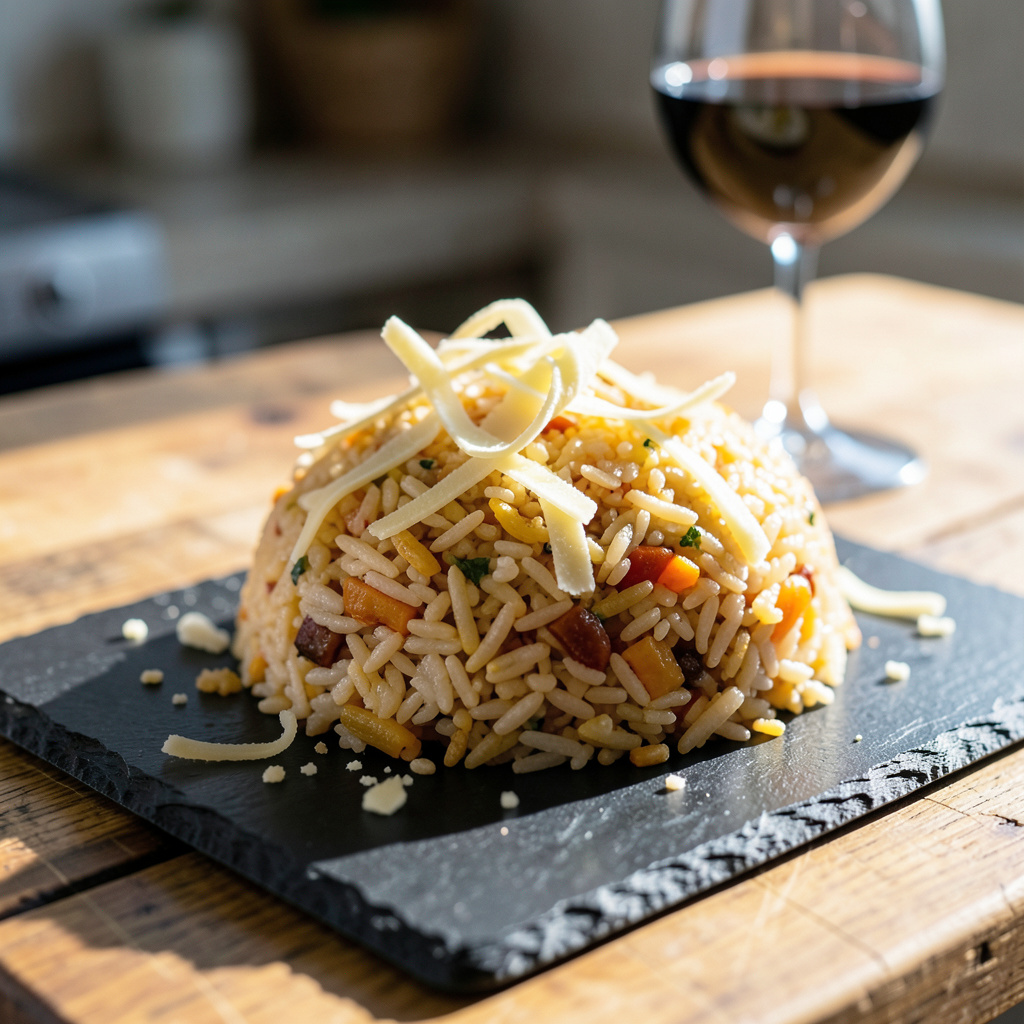
Afghan cuisine has a special place in my heart, and this Afghan rice recipe is one of my favorites. Growing up in Georgia, I was surrounded by the rich flavors of Southern cooking, but it was during my apprenticeship in Charleston that I discovered the aromatic delights of Afghan cuisine. This recipe brings together the traditional Afghan techniques with a few modern twists.
The secret to making this fluffy and aromatic rice lies in the preparation. Rinsing the rice thoroughly and soaking it for 30 minutes makes all the difference in achieving that perfect texture. I use basmati rice for its unique nutty flavor and long-grain properties, which pair beautifully with the spices.
Cooking this rice is a straightforward process that requires attention to detail. I’ll guide you through the steps to achieve that perfectly cooked rice every time. With a blend of traditional Afghan spices and a few simple ingredients, you’ll be able to create a dish that’s both authentic and delicious.
This Afghan rice recipe is perfect as a side dish or as a base for your favorite Afghan-inspired meals. With its aromatic flavors and fluffy texture, it’s sure to become a staple in your kitchen. Let’s get cooking!
Ingredients for Afghan Rice
Simple ingredients come together to create this authentic Afghan rice recipe.
| Ingredient | Amount | Notes |
|---|---|---|
| Basmati Rice 🍚 | 2 cups | Long-grain, preferably aged |
| Water 💧 | 4 cups | For soaking and cooking |
| Salt 🧂 | 1 tsp | For soaking water |
| Ghee or Vegetable Oil 🫒 | 2 tbsp | For cooking, ghee preferred |
| Cumin Seeds 🌿 | 1 tsp | Whole seeds for flavor |
| Coriander Seeds 🌿 | ½ tsp | Whole seeds, lightly toasted |
| Cardamom Pods 🌱 | 2 whole | Green cardamom, crushed lightly |
| Cinnamon Stick 🌿 | 1 piece | About 2 inches long |
| Bay Leaves 🌿 | 2 whole | Fresh or dried |
| Black Peppercorns 🌶️ | ¼ tsp | Freshly ground preferred |
| Salt 🧂 | ½ tsp | For seasoning, adjust to taste |
The quality of basmati rice matters here. Look for long-grain basmati that’s aged for better flavor. I prefer Indian or Pakistani basmati for authenticity. Rinsing the rice thoroughly before soaking is crucial for that perfect texture. Make sure to use cold water for rinsing.
Ghee gives this rice its signature flavor, but vegetable oil works too. If using ghee, consider clarifying it for a higher smoke point. The spices are essential—cumin seeds and coriander seeds add that authentic Afghan touch. Toasting the spices lightly before adding them enhances their aroma. You can adjust the spices to your taste, but keep the cardamom and cinnamon for that traditional flavor.
This rice reheats beautifully. Store leftovers in an airtight container in the fridge for up to 3 days. When reheating, sprinkle a little water on the rice and cover it. It can also be frozen for up to 3 months. Just thaw and reheat as needed.
Step-by-Step Instructions for Afghan Rice
Here’s the method for making perfect Afghan rice – straightforward and delicious every time.
Step 1: Prepare and Soak the Basmati Rice
Start by rinsing the 2 cups of Basmati Rice in cold water until it runs clear. This removes excess starch and helps the rice cook up fluffy. Once rinsed, soak the rice in 4 cups of Water with 1 tsp of Salt for at least 30 minutes. I like to prepare this ahead of time so it’s ready to go.
After soaking, drain the rice in a fine-mesh sieve and set it aside. This step is crucial for achieving that perfect texture.
Step 2: Toast the Spices and Cook the Rice
Heat 2 tbsp of Ghee or Vegetable Oil in a large, heavy-bottomed pot over medium heat. Once hot, add the 1 tsp of Cumin Seeds, 0.5 tsp of Coriander Seeds, 2 whole Cardamom Pods (lightly crushed), 1 piece of Cinnamon Stick, and 2 whole Bay Leaves. Let these spices toast for 1-2 minutes until fragrant – you’ll know they’re ready when you can smell their aroma.
Add the drained rice to the pot and gently stir to coat the rice with the spiced oil. Cook for 2-3 minutes, stirring occasionally, until the rice is lightly toasted.
Step 3: Cook the Rice to Perfection
Pour in the reserved 4 cups of Water (or fresh water if you didn’t reserve it) and add 0.25 tsp of Black Peppercorns. Bring the mixture to a boil, then reduce the heat to low, cover the pot with a tight-fitting lid, and simmer for 15-20 minutes until the rice is tender and the liquid has been absorbed.
Once cooked, turn off the heat and let the rice rest, covered, for 5 minutes. This resting period allows the rice to steam and become perfectly fluffy. Fluff the rice gently with a fork, season with the remaining 0.5 tsp of Salt to taste, and serve hot.
Best Sauces and Condiments for This afghan rice
Perfect Condiment Pairings
Afghan rice pairs beautifully with various condiments that enhance its flavor. I love serving it with a dollop of homemade raita made with yogurt, cucumber, and mint. The cooling effect complements the warm spices perfectly. You can also try it with a spicy chutney or a tangy pickle for added zest. 🌿
Traditional Afghan Toppings
In Afghan cuisine, rice is often elevated with simple yet flavorful toppings. A sprinkle of toasted cumin seeds or coriander seeds adds depth, while a drizzle of ghee enriches the dish. You can also add some crispy fried onions or toasted almonds for a delightful crunch. I often add a sprinkle of fresh herbs like cilantro or parsley for a fresh touch.
Modern Twists
For a modern twist, consider adding some roasted vegetables or grilled meats on top of your Afghan rice. Roasted carrots or bell peppers bring a sweet and smoky flavor, while grilled lamb or chicken adds a hearty protein component. You can also mix in some sautéed spinach or herbs for added nutrition and flavor. 🔥
Regional Variations
Afghanistan has various regional takes on rice dishes, each with unique flavors. In the north, they often add barberries for a tangy twist, while in the south, cardamom and cinnamon are more prevalent. Exploring these regional variations can inspire new ways to enjoy your Afghan rice. I enjoy experimenting with different spice blends to create my own signature flavor.
Serving Suggestions
When serving Afghan rice, consider presenting it in a decorative mound or using a ring mold for a neat shape. Garnish with fresh herbs and a sprinkle of toasted spices for an appealing look. You can also serve it alongside your favorite Afghan dishes, such as qabili palaw or mantu, for a complete meal. Garnishing with a dollop of raita or a sprinkle of sumac adds a pop of color and flavor.
Storage and Reheating
Afghan rice stores well in an airtight container in the refrigerator for up to 3 days. To reheat, sprinkle a little water on the rice, cover it, and steam it on low heat. You can also freeze it for up to 3 months. Just thaw and reheat as needed. This makes it a convenient option for meal prep or leftovers. ❄️
Nutrition Facts
260kcal
Frequently Asked Questions
Can I use regular long-grain rice instead of basmati?
While you can substitute, basmati rice is recommended for its unique nutty flavor and fluffy texture. Regular long-grain rice may become stickier and clump together. For best results, use high-quality basmati rice. The difference is noticeable, and it’s worth the investment.
How do I prevent rice from becoming mushy?
To avoid mushy rice, ensure you rinse it thoroughly before soaking and don’t overcook it. Keep the heat low and let it simmer gently for 15-20 minutes. After cooking, let it rest covered for 5 minutes before fluffing. This helps the rice steam and become fluffy.
Can I make Afghan rice in a rice cooker?
Yes, you can make Afghan rice in a rice cooker. Simply toast the spices in a pan, then add the rice and water to the cooker. Adjust the water ratio according to your rice cooker’s instructions. The result will be deliciously flavored and perfectly cooked rice.
How do I reheat leftover Afghan rice?
To reheat, sprinkle a little water on the rice, cover it, and steam on low heat. You can also reheat it in the microwave by covering it with a damp paper towel. This helps maintain the rice’s moisture and fluffiness.