
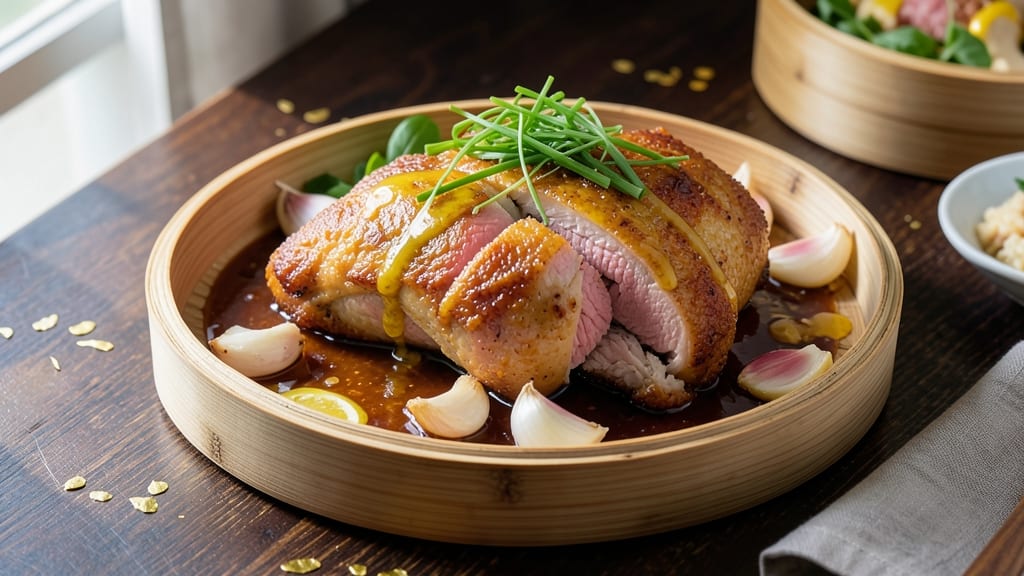
This Asian-style lemon chicken recipe delivers restaurant-quality zing in just 30 minutes, combining bright citrus with savory Asian flavors for a dish that’s impossible to resist. 💛 The secret lies in marinating chicken thighs in a tangy blend of garlic, ginger, and lime juice—creating a crispy exterior and juicy interior that balances perfectly with sweet, sour, and umami notes.
I developed this recipe after years of experimenting with Asian-inspired dishes, and it’s become a weeknight staple that impresses even when I’m short on time.
The beauty of this recipe is its simplicity: no complicated techniques, just a few key ingredients that work together to create bold flavor. You’ll start with chicken thighs (bone-in for extra flavor), marinated in a mix of soy sauce, rice vinegar, and fresh lime juice.
The marinade not only tenderizes the meat but also builds layers of flavor that develop as it cooks. I’ve tested this recipe countless times, and the results are consistently crispy, juicy, and packed with zesty brightness.
By the time you’re done, you’ll have golden-brown chicken with a caramelized crust that shatters at the touch, all while staying tender inside. The aroma alone will have everyone gathering around the table, and the first bite delivers that perfect balance of tangy, garlicky, and slightly sweet flavors.
This dish pairs beautifully with steamed jasmine rice and a simple cucumber salad, making it a complete meal that feels both elegant and effortless.
Whether you’re cooking for family or hosting dinner guests, this recipe delivers professional-quality results without the fuss. The technique is straightforward, the ingredients are accessible, and the flavor is undeniably satisfying. Let’s get started on creating a dish that will become a new favorite in your rotation.
Ingredients for asian style lemon chicken
Bright citrus meets savory Asian flavors in this crispy, juicy chicken dish.
| Ingredient | Amount | Notes |
|---|---|---|
| Bone-In Chicken Thighs 🍗 | 1 ½ lb | Skin-on for crispiness, cut into even pieces |
| Fresh Lime Juice 🍋 | ½ cup | About 4-5 limes, freshly squeezed |
| Garlic Cloves 🧄 | 6 cloves | Minced, fresh for best flavor |
| Fresh Ginger 🌿 | 2 tbsp | Grated, finely for smooth texture |
| Soy Sauce 🍶 | ¼ cup | Low-sodium preferred for balance |
| Rice Vinegar 🍶 | ¼ cup | White vinegar substitute if needed |
| Sesame Oil 🫒 | 1 tbsp | Toasted for nutty aroma |
| Cornstarch 🌾 | 2 tbsp | For crispy coating, mixed with water |
| Vegetable Oil 🫒 | ½ cup | For frying, neutral flavor preferred |
| Salt 🧂 | 1 tsp | Kosher or sea salt for seasoning |
| Black Pepper 🌶️ | ½ tsp | Freshly ground for best flavor |
| Honey 🍯 | 1 tbsp | For subtle sweetness balance |
| Fresh Cilantro 🌿 | ¼ cup | Chopped, for garnish (optional) |
The chicken thighs are non-negotiable here—bone-in gives extra flavor, and skin-on ensures that crispy crust. Trader Joe’s or Asian markets often carry pre-cut bone-in thighs, but any grocery store works. Look for thighs with good marbling—those little white flecks mean more flavor. If you can’t find bone-in, skin-on works too, but you’ll miss out on that extra depth of flavor. The lime juice needs to be fresh—bottled won’t cut it. I always grab extra limes because half the juice goes into the marinade and the other half gets tossed with the cooked chicken for brightness.
No fresh ginger? Substitute with 1 tbsp powdered ginger, but it won’t have the same depth. Running low on soy sauce? Coconut aminos work in a pinch, though the flavor will be slightly different. The cornstarch slurry is key for that crispy exterior—don’t skip it! If you’re short on time, use arrowroot powder instead. The sesame oil is where the magic happens—toast it in a dry pan for 30 seconds before adding to the marinade to bring out its nutty aroma. And if you’re feeling adventurous, swap the honey for maple syrup for a vegan-friendly version (though the flavor will be slightly different).
This dish reheats beautifully—just toss the chicken in a hot pan with a splash of water for a few minutes. Keeps for 3-4 days in the fridge, though it’s best eaten fresh. For meal prep, store the cooked chicken separately from the sauce to keep everything crispy. The marinade leftovers? Use them to baste the chicken while cooking—double the flavor. Freezes for 2 months, but the texture might get slightly softer after thawing. Always thaw in the fridge overnight for best results.
Why You’ll Love This Recipe
- One-Pan Magic: I swear by this recipe when I’m too tired to scrub pots—just sear the bone-in thighs, toss them with ginger, garlic, and lime, then let the soy sauce do its thing. The skin gets crispy while the meat stays juicy, and honestly? I don’t even bother with a second pan.
- Zesty Umami Bomb: That bright lime cut through the richness of the thighs, while the soy and ginger add this deep, savory punch. It’s the kind of flavor that makes you pause mid-bite—like a little burst of sunshine in every mouthful, but with none of the fuss of a fancy dish.
- Budget Meal, Restaurant-Level Payoff: Bone-in thighs are cheaper than breasts, and the rest of the ingredients? Pantry staples. But somehow, it tastes like I spent hours slaving over a wok—crispy, tangy, and packed with character. My roommates still ask where I learned to cook like this. (Spoiler: It’s just lime juice and patience.)
Step-by-step instructions for Asian style lemon chicken
Here’s how to make this bright, crispy lemon chicken with perfect balance every time.
🍳 Step 1: Prep the Chicken and Make the Marinade
Cut the 1.5 lb bone-in chicken thighs into even 1-inch pieces, leaving the skin on for maximum crispiness. In a large bowl, whisk together the 0.5 cup fresh lime juice, 0.25 cup soy sauce, 0.25 cup rice vinegar, 1 tbsp honey, 1 tsp salt, and 0.5 tsp black pepper. Add the chicken pieces and toss to coat completely. Let it marinate for at least 15 minutes—this ensures the flavors penetrate deeply.
Here’s the thing—bone-in chicken stays juicier than boneless. The skin will crisp up beautifully while the meat stays tender. Don’t skip the marinating time, even if you’re eager to cook. The acid in the lime juice and vinegar works its magic during this resting period, breaking down the proteins just enough for perfect texture.
👨🍳 Step 2: Create the Crispy Cornstarch Coating
In a separate bowl, mix the 2 tbsp cornstarch with 2 tbsp water until smooth. This creates a batter that will give your chicken that signature crispy texture. Remove the marinated chicken from the bowl and shake off any excess marinade—you want a light coating, not a soggy mess.
Dip each piece of chicken into the cornstarch mixture, letting any excess drip off. Place them on a wire rack set over a baking sheet to ensure air circulates all around. This prevents steaming and guarantees maximum crispiness. If you’re worried about sticking, lightly grease the rack with vegetable oil—just a tiny bit will do the trick.
🔥 Step 3: Fry to Golden Perfection
Heat 0.5 cup vegetable oil in a large skillet over medium-high heat until it shimmers—about 350°F. Working in batches (don’t overcrowd the pan!), fry the chicken for 3-4 minutes per side until golden brown and the skin is crispy. The oil should sizzle gently, not smoke furiously. If it smokes too much, your heat is too high—let it cool slightly before continuing.
Here’s where it gets fun—toss in the 6 cloves minced garlic and 2 tbsp fresh ginger during the last minute of frying. The aromatics will infuse the chicken with their flavors while the oil finishes cooking. You’ll know it’s ready when the chicken releases easily from the pan and the skin is crackling crisp. Transfer to a paper towel-lined plate to drain excess oil.
🥘 Step 4: Finish with Sesame Oil and Garnish
Return the fried chicken to the skillet and reduce heat to low. Drizzle with 1 tbsp sesame oil and toss gently to coat. The sesame oil adds that nutty aroma that ties everything together. Cook for just 30 seconds—you’re not cooking here, just warming through and infusing flavor.
Garnish immediately with 0.25 cup chopped fresh cilantro and serve while hot. The contrast of crispy skin, juicy meat, and bright citrus sauce makes every bite irresistible. This dish comes together in 30 minutes but tastes like it simmered all day—perfect for weeknight dinners or meal prep.
Pro Tips For Making Asian Style Lemon Chicken
- Pound the Thighs First: DESCRIPTION: Skip the marinade if you’re short on time, but at least flatten the bone-in thighs to ½-inch thickness with a meat mallet—this guarantees even cooking and crispy edges. I learned this the hard way after serving someone a chewy center while the outside was perfect.
- Zest Before Juicing: DESCRIPTION: Don’t toss the lime zest—grate it over the chicken before adding juice. The oils in the zest cling to the meat, amplifying the citrus punch without making the dish watery. (Yes, even if you’re impatient like me.)
- Soy Sauce Last: DESCRIPTION: Add soy sauce only in the final 2 minutes of cooking—otherwise, it burns into bitterness. If you’re stir-frying, pull the pan off heat just before it fully coats the chicken, then toss it back on for a flash to caramelize.
- Ginger-Garlic Paste: DESCRIPTION: Mince the ginger and garlic into a smooth paste with a splash of lime juice—this prevents clumping and ensures they cook into the chicken instead of sticking to the pan. (Your future self will thank you when you’re not scrubbing a burnt-on paste later.)
Regional styles of this asian style lemon chicken
Chinese Stir-Fry Style
Inspired by classic Cantonese techniques, this version swaps lime for yuzu juice (or extra lime) and adds 1 tbsp Shaoxing wine to the marinade for depth.
I like to stir-fry the chicken in a wok over high heat with 1 tbsp neutral oil, then toss with red bell pepper strips and scallions at the end. The key? Cook the chicken in 2 batches to maintain that signature wok hei (breath of the wok) smokiness.
Serve with steamed jasmine rice and a side of quick-pickled cucumbers. 🔥
Japanese Teriyaki Twist
For a Japanese-inspired take, replace the rice vinegar with mirin and add 1 tbsp honey to the marinade.
After frying, glaze the chicken with a quick teriyaki sauce—simmer ¼ cup soy sauce, 2 tbsp mirin, 1 tbsp honey, and 1 tbsp grated ginger for 3 minutes. Brush this over the chicken while it cooks in the pan.
Garnish with toasted sesame seeds and thinly sliced green onions. This version is sweeter but still bright from the lime. 🌟
Thai Basil-Lime Fusion
Bring the heat with a Thai-inspired version! Add 1 tbsp fish sauce and 1 tsp palm sugar to the marinade, then toss the cooked chicken with ¼ cup chopped Thai basil and 1 tbsp chili garlic sauce before serving.
For extra zing, squeeze 1 tbsp fresh lime juice over the top. Serve with coconut rice and a side of mango salad for a tropical twist. The basil wilts slightly from the heat, releasing its aromatic oils. 🌶️
Korean Gochujang Crisp
For a Korean-inspired kick, mix 1 tbsp gochujang (Korean chili paste) into the marinade along with the soy sauce. After frying, toss the chicken with 1 tbsp toasted sesame seeds and 1 tsp toasted sesame oil.
Serve with steamed short-grain rice and a side of kimchi to amplify the umami and spice. The gochujang adds a deep, slightly sweet heat that pairs perfectly with the citrusy brightness. 💛
Vietnamese Nuoc Cham Glaze
For a Vietnamese-inspired finish, create a quick nuoc cham glaze by mixing 2 tbsp fish sauce, 1 tbsp lime juice, 1 tbsp sugar, and ½ tsp black pepper. Brush this over the fried chicken before serving.
Garnish with mint leaves and crushed peanuts for texture. Serve with steamed rice and a side of green papaya salad. The nuoc cham adds a tangy, salty-sweet contrast that elevates the dish to another level. ✨
Nutrition facts
Frequently asked questions
Can I use chicken breasts instead of thighs?
You can try, but thighs are ideal for this recipe! Chicken breasts cook faster and can dry out when fried. If you must use breasts, cut them 1/3-inch thick, pound them to even thickness, and reduce frying time to 2-3 minutes per side. Keep the oven at 375°F ready for a quick finish if needed.
How do I make this recipe spicier?
Add 1/2 teaspoon of red pepper flakes or 1 tablespoon of sriracha to the marinade for heat. For extra kick, toss the cooked chicken with 1 tablespoon of chili garlic sauce or 1/4 teaspoon of cayenne pepper before serving. Balance the heat with extra lime juice if needed.
Can I bake this instead of frying?
Preheat oven to 400°F and bake the cornstarch-coated chicken for 20-25 minutes on a wire rack over a baking sheet. For extra crispiness, broil for 2-3 minutes at the end. The texture will be slightly different but still delicious. Use 1 tablespoon of oil to brush the chicken before baking.
What if I don’t have cornstarch?
Use 2 tablespoons of all-purpose flour or arrowroot powder mixed with water instead. The texture won’t be as crispy, but it will still work. For extra crunch, sprinkle the chicken with 1/4 cup crushed cornflakes or panko breadcrumbs before frying.
How do I store leftovers?
Store cooked chicken in an airtight container in the fridge for up to 4 days. Reheat in a skillet over medium heat with a splash of water to restore crispiness. For freezing, wrap individual pieces in plastic wrap and place in a freezer bag for up to 2 months. Thaw overnight in the fridge before reheating.