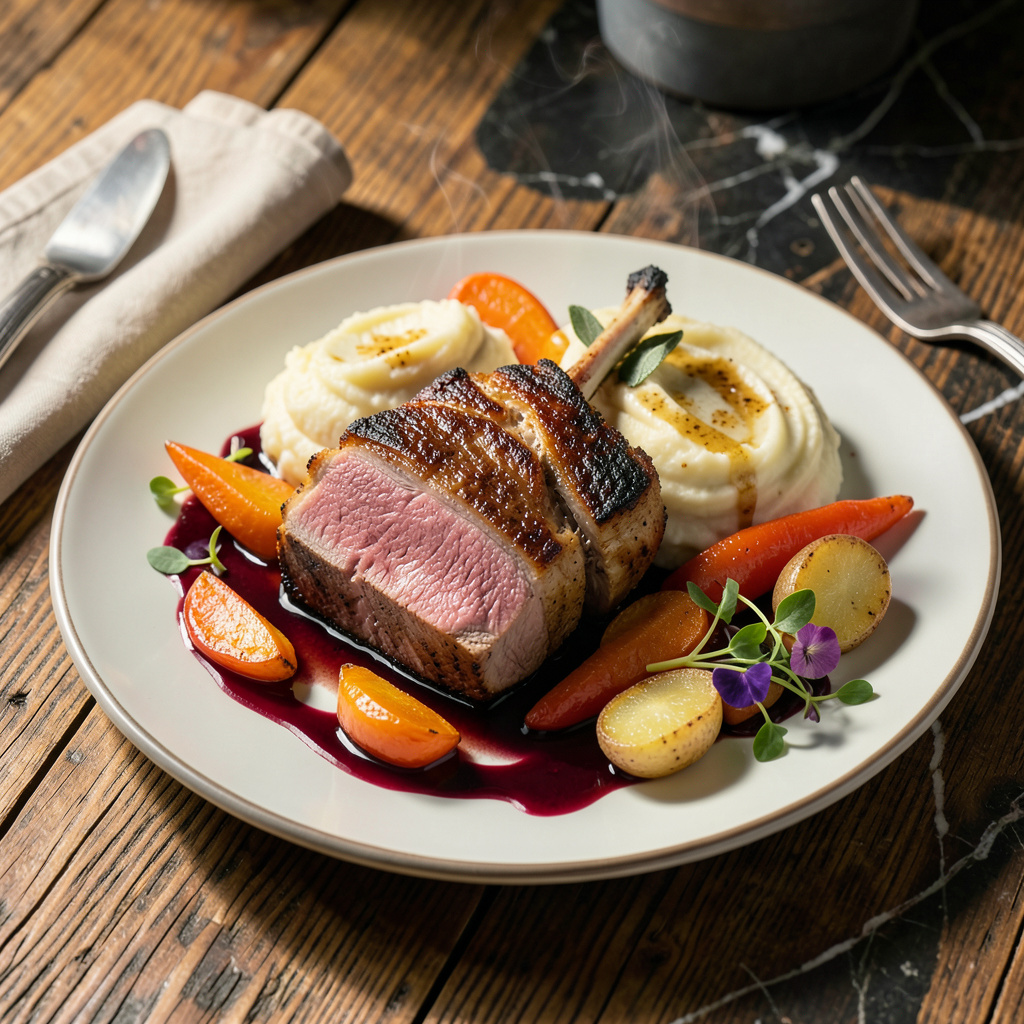
The best pork cuts depend on your dish: tenderloin for quick grilling, ribs for slow smoking, shoulder for pulled pork, and chops for pan-searing. Each offers unique texture and flavor for different cooking methods.
After working with thousands of pounds of pork weekly, I’ve learned that the secret lies in matching the cut’s natural qualities to your cooking method. The tenderloin’s leanness makes it perfect for high-heat grilling, while ribs need low-and-slow treatment to break down their connective tissue. What many home cooks overlook is how shoulder transforms during long cooking—its fat renders beautifully, creating that melt-in-your-mouth pulled pork texture. Meanwhile, chops give you the best of both worlds: quick cooking with impressive presentation potential. 🔥
Here’s what changes everything: understanding that pork cuts come from different muscle groups with varying fat content and connective tissue. This isn’t just about preference—it’s about physics. The marbling in ribs requires hours to properly soften, while tenderloin’s delicate structure demands careful temperature control to avoid drying out. I always tell my students: let the cut guide your technique, not the other way around. ✨
💡 In This Article
- How Pork Cut Characteristics Affect Cooking Results
- Top Pork Cut Pairings with Recipes and Techniques
How Pork Cut Characteristics Affect Cooking Results
Every pork cut behaves differently under heat because of its muscle structure and fat composition. The tenderloin, running along the spine, is the most tender with minimal connective tissue—perfect for quick, high-heat cooking. Its leanness means it cooks in 15-20 minutes at 400°F, but requires careful monitoring to prevent drying.
Contrast this with the shoulder (Boston butt), packed with marbling and collagen that needs 8-12 hours at 225°F to break down into gelatin. 🔥
The ribs contain both meat and cartilage, demanding low-and-slow treatment to render fat while softening bones. Baby back ribs (from the loin) cook faster (4-5 hours) than spare ribs (belly area) which need 6-7 hours due to higher connective tissue.
Meanwhile, chops (from the loin) offer versatility—bone-in varieties stay juicier during searing, while boneless versions cook more evenly. The rib chop’s fat cap bastes the meat naturally as it renders.
What separates great pork from good pork is understanding collagen breakdown. Shoulder and ribs contain abundant connective tissue that transforms into unctuous gelatin between 160-205°F. Tenderloin and chops, with less collagen, should never exceed 145°F internally to maintain tenderness. I always use a probe thermometer—this precision makes all the difference in texture. ✨
Fat distribution plays a crucial role too. Shoulder’s intramuscular fat (about 25-30%) keeps it moist during long cooking, while tenderloin’s 4-6% fat content means it benefits from marinades or brining. Ribs have fat both between muscles and in the membrane—removing that membrane before smoking ensures better smoke penetration and crispier bark.
The science is clear: match fat content to cooking duration for optimal results.
Consider these muscle group differences:
- Loin cuts: Quick-cooking, lean, best for grilling or pan-searing
- Shoulder/butt: High-fat, ideal for slow cooking and shredding
- Rib section: Balanced fat-to-meat ratio, perfect for smoking
- Belly: Layered fat and meat, requires rendering for crispness
Pro tip: The pH level of pork (typically 5.6-5.8) affects protein denaturation during cooking. Acidic marinades (vinegar, citrus) can help tenderize lean cuts like tenderloin, while alkaline rubs (with baking powder) enhance browning on fatty cuts like ribs. This chemical understanding elevates your cooking from good to competition-level. 💫
Remember that heritage breeds like my Gloucestershire Old Spots have 30% more intramuscular fat than commercial pork, dramatically changing cooking times and flavor development. The extra marbling means you can cook shoulder 1-2 hours less while achieving the same tenderness.
This is why I always recommend knowing your pork’s provenance—it changes everything about how you should cook it. ⚡