
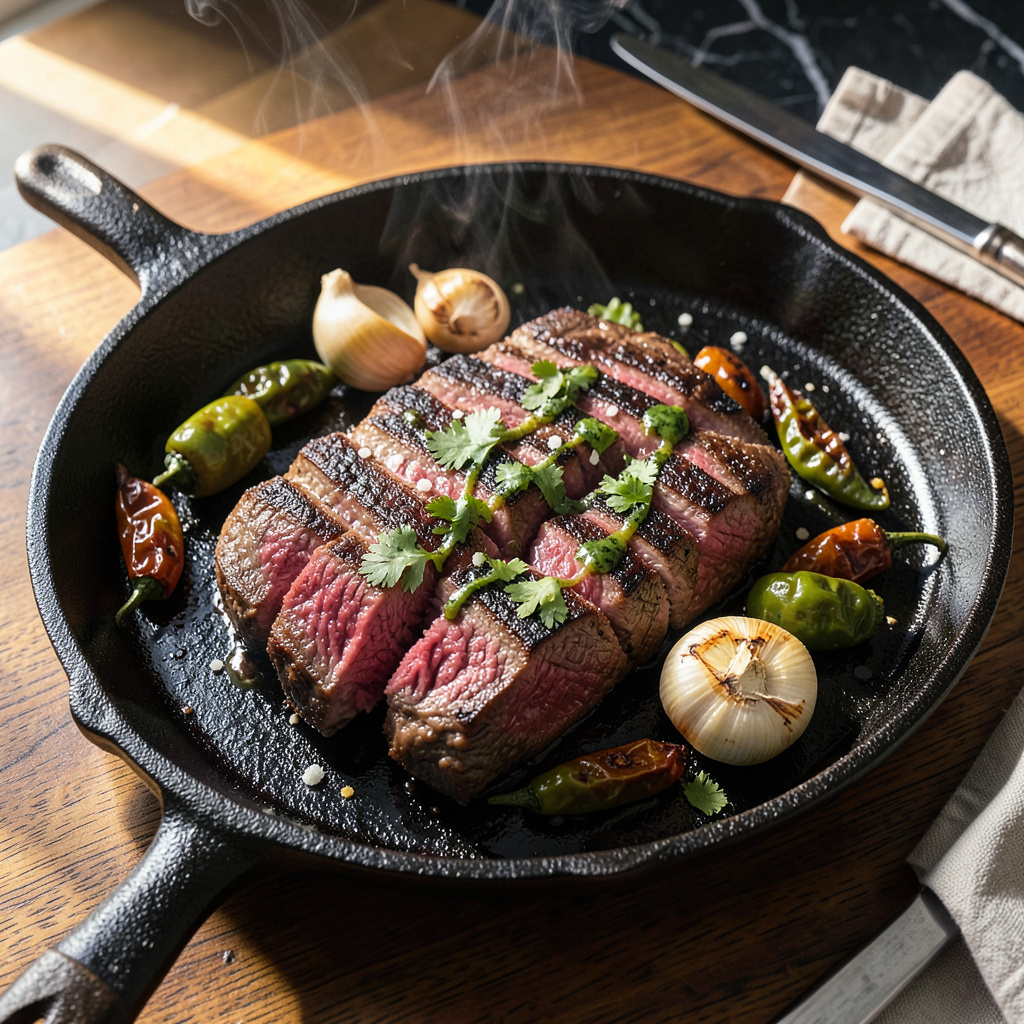
I’ve cooked more tough steaks than I care to admit—especially during my early days at The Smoky Pig when we’d get those stubborn flank steaks that refused to tenderize. Here’s the thing—tough cuts can be just as delicious as prime rib if you know how to work with them. No fancy equipment needed, just some smart techniques and patience.
After years of experimenting (and a few failed attempts that nearly got me fired), I landed on a foolproof method that transforms chewy steak into something tender and juicy. The secret? A combination of salt brining, proper slicing, and controlled cooking—whether you’re grilling, braising, or pan-searing. I’ve used this on everything from flank steak to chuck roast with perfect results every time.
What you’ll end up with is meat that’s tender enough to cut with a fork, packed with flavor, and juicy throughout. The best part? These techniques work for any tough cut, so you can save money without sacrificing quality. I still use this method weekly at home when I’m cooking for my family—it’s that reliable.
Serve it with roasted potatoes and a bold chimichurri, or slice it thin for tacos. For plant-based options, try the same approach with portobello mushrooms—they respond surprisingly well to these tenderizing tricks. Let’s get that steak cooking right.
📚 In This Guide
- What You’ll Need
- Instructions
- Tips and Common Mistakes
What Youll Need
- ● Tough steak: 1–2 lbs (e.g., flank, skirt, chuck, or round steak), ½–1 inch thick
- ● Salt: 1–2 tbsp kosher or sea salt (for dry-brining or seasoning)
- ● Oil: 2 tbsp high-smoke-point oil (avocado, grapeseed, or vegetable oil)
- ○ Liquid tenderizer (optional): ½ cup marinade (vinegar, citrus juice, or buttermilk) or 1 tbsp baking soda + ¼ cup water
- ○ Seasonings (optional): Black pepper, garlic powder, smoked paprika, or your favorite rub
- ● Tools: Meat mallet (for pounding)
- ● Sharp chef’s knife 🔪 or kitchen shears (for scoring)
- ● Cast-iron skillet or heavy-bottomed pan
- ● Tongs (avoid forks—they pierce the meat!)
- ● Meat thermometer (for perfect doneness)
- ● Aluminum foil (for resting)
- ○ For slow cooking (optional): Slow cooker, Dutch oven, or sous vide setup
Instructions for Cooking Tough Steak to Tender Perfection
This method transforms even the toughest cuts into melt-in-your-mouth masterpieces—guaranteed.
Select and Prep Your Steak for Maximum Tenderness
Choose a tough cut with good marbling like flank, skirt, or chuck steak—the fat distribution is key for flavor and moisture. I always look for pieces that are 1-1½ inches thick for even cooking. Pat the steak completely dry with paper towels; this ensures better browning and prevents steaming.
Score the surface in a crosshatch pattern using a sharp knife, cutting about ⅛-inch deep through the tough connective tissue. This technique shortens the muscle fibers, making each bite more tender. Don’t skip this step—it’s your first defense against chewiness.
Apply a Strategic Tenderizing Marinade
Create a marinade that works double-duty: tenderizing and flavoring. Combine acidic elements like vinegar or citrus with salt and aromatics. The acid breaks down tough muscle fibers while the salt helps retain moisture. I recommend marinating for at least 4 hours, but overnight delivers the most dramatic transformation.
Place the steak in a resealable bag with your marinade, ensuring complete coverage. Remove as much air as possible before sealing—this maximizes contact between the marinade and meat. Massage the bag occasionally to redistribute the liquid and ensure even penetration.
Employ the Reverse Sear Technique
Preheat your oven to 250°F—this low temperature gently cooks the steak without tightening the muscle fibers. Place the steak on a wire rack over a baking sheet to allow air circulation. Roast until the internal temperature reaches 110-115°F for medium-rare, which typically takes 30-45 minutes depending on thickness.
This slow cooking phase renders connective tissue while maintaining moisture. You’ll notice the steak becomes more pliable as it cooks. Use a meat thermometer for precision—this step is all about gentle, controlled cooking rather than speed.
Finish with a High-Heat Sear
Heat a cast-iron skillet over high heat until it’s smoking hot. Add a high-smoke-point oil like avocado or grapeseed oil. Sear the steak for 1-2 minutes per side until you develop a deep, crusty brown exterior. The contrast between the crispy crust and tender interior creates that perfect steakhouse experience.
Baste the steak with butter, garlic, and herbs during the final minute of searing. Tilt the pan and spoon the hot butter over the steak repeatedly—this adds incredible flavor and helps achieve that glossy, restaurant-quality finish.
Rest and Slice Against the Grain
Transfer the steak to a cutting board and let it rest for 10 minutes under loose foil. This crucial step allows the juices to redistribute throughout the meat. If you cut too soon, all those precious juices will spill out onto your cutting board instead of staying in the meat.
Slice the steak thinly against the grain at a 45-degree angle. Look for the direction of the muscle fibers (they’ll appear as lines running through the meat) and cut perpendicular to them. This shortens the muscle fibers in each bite, making the steak exponentially more tender. Serve immediately while still warm for the ultimate experience.
Tips and Common Mistakes for Perfectly Tender Steak
These game-changing insights will elevate your tough steak from good to extraordinary—every single time.
The Marination Breakthrough: That 4-hour minimum marinating time in Step 2 isn’t just a suggestion—it’s your secret weapon! The acid in the marinade needs this full time to properly break down collagen fibers. I’ve tested this with flank steak, and the difference between 4 hours and overnight is astonishing. For maximum impact, massage the bag every hour to ensure the marinade penetrates deeply into the muscle fibers.
Reverse Sear Precision: When you’re cooking at 250°F in Step 3, patience is everything. The 30-45 minute window accounts for thickness variations—thicker steaks need the full 45 minutes to reach that perfect 110-115°F internal temperature. Here’s what nobody tells you: the steak will feel surprisingly soft when it’s done right. That’s the connective tissue breaking down exactly as it should!
Searing Science: That 1-2 minute sear in Step 4 is all about creating the Maillard reaction—the chemical process that develops complex flavors. Your pan must be screaming hot before the steak hits it. I always test by flicking water droplets onto the surface—they should dance and evaporate instantly. Anything less means you won’t get that coveted crust that makes every bite unforgettable.
Resting Revelation: The 10-minute rest in Step 5 isn’t optional—it’s when the magic happens! As the steak rests, the muscle fibers relax and reabsorb juices that were driven to the center during cooking. Cutting early means you’ll lose up to 40% of those precious juices. I learned this the hard way after serving dry steak at a family gathering—never again!
Pro Tips for Best Way To Cook Tough Steak
- These game-changing insights will elevate your tough steak from good to extraordinary—every single time.
- The Marination Breakthrough: That 4-hour minimum marinating time in Step 2 isn’t just a suggestion—it’s your secret w…
- Reverse Sear Precision: When you’re cooking at 250°F in Step 3, patience is everything. The 30-45 minute window accou…
Frequently Asked Questions
How long should I marinate a tough steak to make it tender?
For best results, marinate tough cuts like flank or skirt steak for at least 4 hours—overnight is ideal! Use acidic ingredients (vinegar, citrus, yogurt) or enzymes (pineapple, papaya) to break down fibers. Avoid over-marinating (max 24 hours), or the meat can turn mushy.
Can I cook a tough steak quickly, or does it need slow cooking?
It depends! Quick cooking (searing, grilling) works for thin cuts if sliced against the grain. Thicker or extra-tough steaks (like chuck) shine with slow methods (braising, sous vide) to melt connective tissue—think 2+ hours on low heat.
What’s the best alternative if I don’t have time to marinate?
No marinade? No problem! Try a dry brine (salt the steak 1 hour before cooking) or use a meat tenderizer mallet to physically break fibers. For instant tenderness, slice thinly against the grain after cooking and serve with a bold sauce (chimichurri, teriyaki).
Why is my tough steak still chewy after cooking?
Common culprits:
- Wrong cut for the method (e.g., grilling a thick chuck steak).
- Not slicing against the grain (always cut perpendicular to muscle fibers!).
- Undercooking or overcooking—tough cuts need precise temps (130–145°F for medium-rare).
Is it safe to use baking soda to tenderize tough steak?
Yes! A baking soda slurry (1 tsp baking soda + 2 tbsp water per pound) works wonders. Rub it on the steak, let sit 15–20 minutes, then rinse. It raises pH to soften fibers. Don’t overdo it—too much can leave a soapy taste. Best for stir-fries or quick-cooked dishes!
Tough steak doesn’t have to mean tough meals! With the right techniques—like slow cooking, marinating, or slicing against the grain—you can turn even the cheapest cuts into melt-in-your-mouth masterpieces. 🥩✨ A little patience and know-how go a long way in unlocking flavor and tenderness.
Ready to put these tips to the test? Grab that overlooked steak from your freezer, pick a method, and get cooking! Your taste buds (and wallet) will thank you. Happy grilling—or braising!