
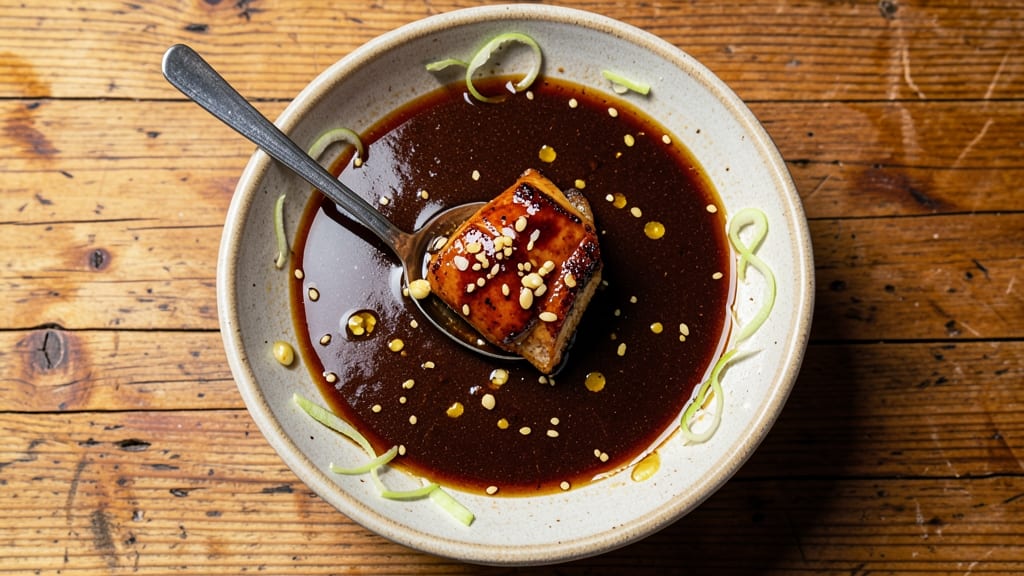
A chicken marinade recipe with soy sauce and brown sugar transforms ordinary chicken into something extraordinary—juicy, caramelized, and bursting with umami-sweet flavor. I developed this blend after years of experimenting with Asian-inspired marinades, and it’s now my go-to for grilled, roasted, or even air-fried chicken.
The combination of soy sauce’s savory depth and brown sugar’s caramelization creates a glaze that locks in moisture while adding a sticky, flavorful crust.
This marinade works its magic through a simple 3-ingredient base—soy sauce, brown sugar, and a touch of acid (vinegar or citrus) to tenderize. The beauty lies in its versatility: use it for 30 minutes for quick flavor infusion or overnight for maximum penetration and caramelization.
For extra depth, I often add minced garlic, ginger, or a splash of sesame oil, but the core trio delivers impressive results every time.
The result is chicken with deep, complex flavor—caramelized edges that crackle with every bite, tender meat underneath, and a glaze that’s perfectly balanced between salty, sweet, and savory. Whether you’re grilling skewers, roasting a whole chicken, or searing breasts, this marinade elevates the dish without overpowering it.
The best part? It doubles as a quick pan sauce if you reserve some before cooking.
Perfect for weeknight dinners, meal prep, or special occasions, this marinade is a game-changer for anyone tired of bland chicken. Let’s dive into the recipe—your taste buds will thank you.
Ingredients for chicken marinade recipe soy sauce brown sugar
Three core ingredients transform ordinary chicken into restaurant-quality bites—just add time and heat.
| Ingredient | Amount | Notes |
|---|---|---|
| Soy Sauce 🥢 | ½ cup | High-quality, reduced for depth |
| Light Brown Sugar 🍯 | ½ cup | Packed tightly for accurate measure |
| Rice Vinegar 🍶 | ¼ cup | Mild acidity for balance |
| Minced Garlic 🧄 | 4 cloves | Freshly minced for aromatic punch |
| Fresh Ginger 🌿 | 1 tbsp | Finely grated, peel included |
| Sesame Oil 🫒 | 1 tbsp | Toasted for nutty aroma |
| Honey 🍯 | 1 tbsp | Optional for extra sweetness |
| Kosher Salt 🧂 | 1 tsp | Diamond Crystal preferred |
| Black Pepper 🌶️ | ½ tsp | Freshly cracked for heat |
The soy sauce is non-negotiable—Kikkoman or Lee Kum Kee are my go-tos, but any good-quality brand works. Brown sugar should be light, not dark, for that perfect caramelization without bitterness. Trader Joe’s has affordable bulk options, or grab a small bag at Asian markets where the selection is wider. Fresh ginger and garlic are worth the extra minute to prep: peel the ginger with a spoon and use a microplane for the finest texture. Sesame oil can be regular or toasted—just don’t overdo it, as a little goes a long way for that nutty aroma. The honey is optional but adds a subtle floral note that pairs beautifully with the umami depth.
No soy sauce? Coconut aminos work in a pinch, though they’re milder. Substitute white vinegar for rice vinegar if needed—apple cider vinegar adds subtle fruitiness. Skip the honey? Maple syrup or agave are great alternatives. Want more heat? Add a pinch of red pepper flakes or sriracha. The garlic and ginger can be swapped for 1 tbsp each of garlic powder and ground ginger, though fresh is always better. For a deeper flavor profile, add 1 tsp fish sauce (if not vegetarian) or 1 tbsp miso paste for umami richness.
This marinade keeps for up to 2 weeks in the fridge, though it’s best used within a week for maximum flavor. Store it in a glass jar with a tight seal—the acidity helps preserve it longer. For extra convenience, freeze in ice cube trays and thaw as needed. The glaze thickens as it sits, so give it a quick stir before using. Pro tip: Reserve 2 tbsp before cooking to use as a pan sauce—it’s where the magic really happens, with all those caramelized bits from the chicken.
Why You’ll Love This Recipe
- Five-Ingredient Magic: I swear, this marinade lives in my fridge because it’s that simple—just stir, pour, and let the soy, brown sugar, and garlic work their magic. No fancy techniques, no last-minute grocery runs. Honestly, I’ve made it with my eyes closed (not recommended, but you get the idea).
- Sweet-Savory Balance: That caramelized brown sugar and tangy rice vinegar? It’s the kind of flavor that makes you pause mid-bite. The ginger adds a little kick, but the garlic ties it all together—like a hug for your taste buds. (Yes, even on a Tuesday night.)
- Weeknight Superstar: Grill it, bake it, or throw it in a pan—this marinade saves me every time. Double the batch for meal prep, or use half on leftovers for a quick stir-fry. My kids won’t eat plain chicken, but they’ll devour this? No question.
- Budget-Friendly Powerhouse: Soy sauce, brown sugar, vinegar—these are pantry staples that won’t break the bank. A little goes a long way, and the leftovers? They’re even better the next day. Between us, this is how I feed a family of four for under $10.
Step-by-step instructions for chicken marinade with soy sauce and brown sugar
This marinade delivers a perfect balance of sweet, savory, and aromatic flavors for irresistible chicken.
Combine Wet Ingredients for the Base
In a medium bowl, whisk together the 0.5 cup soy sauce and 0.5 cup light brown sugar until the sugar dissolves completely. I like to press the sugar gently with a fork to break up any clumps before adding the soy sauce—this ensures a smooth marinade without grainy texture. Let the mixture sit for 1-2 minutes while you prepare the remaining ingredients, as this gives the sugar time to fully integrate with the soy’s umami depth.
Next, add the 0.25 cup rice vinegar and 1 tbsp honey. Stir well to combine—this creates the perfect acid-sweet balance that tenderizes the chicken while building complex flavor. The vinegar also helps distribute the marinade evenly, preventing dry spots on the surface of the meat. Here’s where it gets good: give everything a quick taste. If you want more depth, add a splash of water (1-2 tablespoons) to thin it slightly for better penetration.
Incorporate Aromatics and Seasonings
Add the 4 cloves minced garlic and 1 tbsp fresh ginger to the bowl, stirring vigorously to distribute the pungent aromatics. I always use freshly minced garlic and grated ginger here—pre-minced garlic loses its punch, and the peel-on ginger adds subtle earthiness that store-bought versions can’t match. Let the mixture sit for 5 minutes at room temperature while you prepare the chicken, as this allows the garlic and ginger to release their essential oils and mingle with the other ingredients.
Now stir in the 1 tbsp sesame oil, 1 tsp kosher salt, and 0.5 tsp black pepper. The sesame oil adds nutty warmth that complements the soy’s savoriness, while the salt and pepper round out the flavor profile. Give everything another taste—this is your chance to adjust seasoning before committing to the chicken. If it needs more sweetness, add a touch more honey; if it’s too sharp, a pinch of sugar helps balance it.
Marinate Chicken for Maximum Flavor
Place your chicken pieces (breasts, thighs, or whole bird) in a resealable plastic bag or shallow dish. Pour the marinade over the chicken, ensuring every surface is coated. For best results, I recommend massaging the marinade into the meat—this helps it penetrate deeply and creates that signature sticky glaze. Seal the bag or cover the dish, then refrigerate for at least 4 hours, or overnight if possible. The longer it marinates, the more tender and flavorful the chicken becomes.
For grilled chicken, I like to marinate for 6-8 hours to develop maximum depth of flavor. If you’re short on time, 2 hours minimum still works, but the crust won’t be as pronounced. When ready to cook, remove the chicken from the fridge and let it sit at room temperature for 15-20 minutes before grilling, roasting, or pan-searing. This ensures even cooking and prevents the marinade from boiling off too quickly when you hit high heat.
Cook and Finish with Caramelized Glaze
Cook the marinated chicken according to your preferred method—grill over medium-high heat for 5-7 minutes per side, roast at 375°F for 25-30 minutes, or pan-sear until internal temperature reaches 165°F. The real magic happens when you baste the chicken with any remaining marinade during the last 2-3 minutes of cooking. This creates a beautiful caramelized glaze that locks in moisture and adds an extra layer of sweet-savory flavor.
For extra shine, brush the chicken with a little more sesame oil just before serving. The finished chicken should have a deep mahogany crust with sticky, glossy glaze that clings to every bite. Let it rest for 5 minutes before slicing—this allows the juices to redistribute, ensuring each piece stays moist and flavorful. Serve with steamed rice or fresh vegetables to balance the rich marinade flavors.
Pro Tips For Making Chicken Marinade Recipe Soy Sauce Brown Sugar
- Dissolve the Sugar: Heat your soy sauce and brown sugar together for 2-3 minutes before adding anything else—this turns the sugar into a syrupy liquid that clings to the chicken instead of sitting in a sticky lump at the bottom. I learned this the hard way after scraping globs off the pan for three batches.
- Grate, Don’t Mince Ginger: Skip the fine mincing—use a box grater for the ginger. The texture stays chunkier, which means more flavor distribution when the marinade cooks down, and you avoid that mushy, watery ginger paste that happens when you over-mince. (Yes, even if you’re impatient like me.)
- Marinate Overnight (But Not Too Long): Let the chicken sit for at least 4 hours, but don’t exceed 12—soy sauce breaks down protein over time, and after that, the meat gets mushy. I was skeptical until I tried it: 8 hours is the sweet spot for tender, flavor-packed chicken without turning it to mush.
- Acid First, Then Salt: Add the rice vinegar to the marinade before the soy sauce—this keeps the chicken from tightening up too soon. The acid opens the meat fibers first, so the soy and sugar can really sink in. (This isn’t the prettiest method, but it’s the tastiest.)
Perfect pairings for this dish
Sides for Balance
Pair this marinade with jasmine rice—its delicate floral notes complement the soy’s umami without competing. I love steaming baby bok choy with a sprinkle of toasted sesame seeds and a drizzle of rice vinegar for a refreshing contrast.
For heartier meals, miso-glazed eggplant adds earthy depth that mirrors the marinade’s caramelized richness. 🥗
Drink Pairings
A crisp Japanese lager like Asahi Super Dry cuts through the marinade’s sweetness while enhancing its umami. For wine lovers, dry Riesling from Germany offers bright acidity that cleanses the palate between bites. Try ginger beer (non-alcoholic) for a spicy-sweet contrast that echoes the marinade’s ginger and brown sugar. 🍶
Global Adaptations
Transform this marinade into a Thai-inspired version by adding 1 tbsp fish sauce and 1 tsp lime zest. For a Korean twist, swap rice vinegar for 1 tbsp gochujang (Korean chili paste) and add 1 tsp toasted sesame seeds.
The Pacific Northwest loves this marinade with smoked salmon—just swap chicken for fish and add 1 tbsp mirin for extra shine. 🗺️
Sauce Upgrades
Reserve 2 tbsp marinade before cooking and reduce it in a pan with 1 tbsp butter and 1 tsp cornstarch for a quick pan sauce. For extra richness, stir in 1 tbsp heavy cream at the end.
This sauce works wonders over grilled chicken skewers or as a drizzle for ramen noodles. 💫
Meal Prep Hacks
Double the marinade and freeze half in ice cube trays for future use—thaw as needed for quick weeknight meals. Store cooked chicken in the marinade’s juices in an airtight container for up to 3 days; reheat gently to preserve the glaze.
I also use leftover marinade to baste tofu or pork tenderloin—it’s that versatile! ⏰
Nutrition facts
Frequently asked questions
Can I use dark brown sugar instead of light?
You can, but it will add a deeper molasses flavor that may overpower the delicate balance of this marinade. Light brown sugar gives a smoother caramelization without bitterness. If you prefer dark brown sugar, reduce the amount by 1 tbsp and add 1 tsp honey to maintain the sweetness level.
How long can I marinate chicken in this blend?
For best results, marinate chicken for 4-8 hours in the refrigerator. Overnight marinating (12-24 hours) works too, but don’t exceed 24 hours as the acidity can start breaking down the meat fibers. For quick meals, 2 hours minimum still adds great flavor, though the glaze won’t be as pronounced.
What’s the best way to store leftover marinade?
Transfer any unused marinade to an airtight container and store it in the fridge for up to 2 weeks. For longer storage, freeze it in ice cube trays—thaw as needed for future meals. The acidity from the vinegar helps preserve it well, but always give it a stir before using as it may thicken slightly.
Can I use this marinade on other meats?
This marinade works beautifully on pork tenderloin, tofu, or even shrimp. For fish, reduce the marinating time to 30-60 minutes to avoid over-tenderizing delicate proteins. The soy-brown sugar combo adds amazing depth to any protein that benefits from a sweet-savory glaze.
Why did my chicken turn out dry?
Dry chicken usually means either overcooking or insufficient marinating time. Ensure your chicken reaches 165°F internally but remove it from heat immediately when done. For thicker cuts like thighs, marinate longer (6-8 hours) to help tenderize. Also, don’t skip the 5-minute rest after cooking—this lets juices redistribute!