
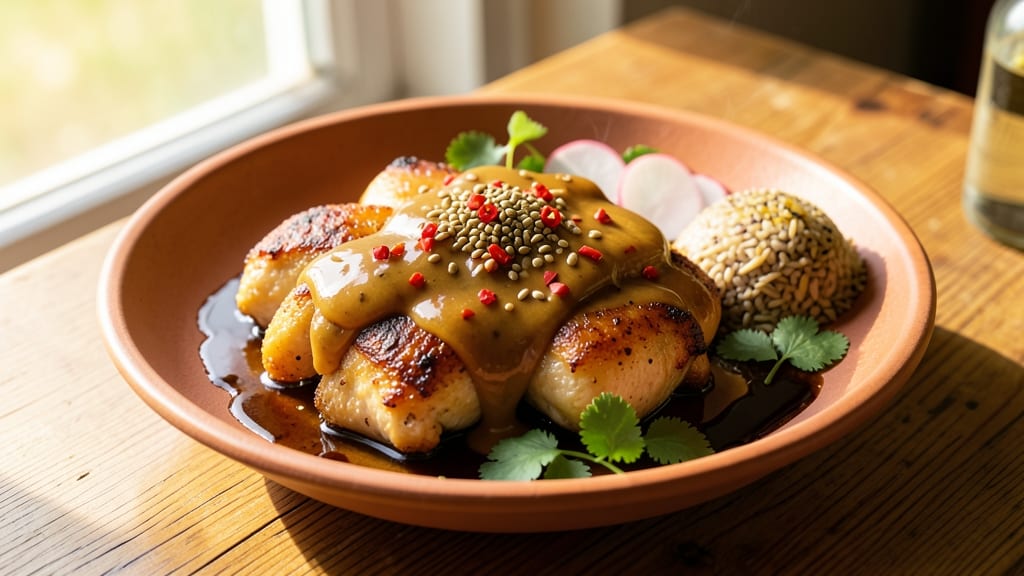
This chicken nanban sauce recipe transforms simple ingredients into a smoky, tangy, and deeply aromatic condiment that elevates any dish. The fusion of cumin, yogurt, and traditional Japanese flavors creates a sauce that’s as versatile as it is bold—perfect for marinades, dipping, or finishing touches on grilled meats.
I developed this recipe after years of experimenting with nanban’s signature balance of heat, acidity, and umami, and it never fails to deliver restaurant-quality results at home.
The secret lies in the slow infusion of spices—cumin, mustard seeds, and a touch of chili—simmered with soy sauce, mirin, and vinegar until the flavors meld into a cohesive, aromatic base.
Yogurt adds creaminess while keeping the sauce light enough to cling to chicken, fish, or even vegetables without overwhelming them. Unlike store-bought versions, this recipe builds depth through layered cooking techniques, ensuring every spoonful delivers complexity.
What you’ll end up with is a rich, velvety sauce with a subtle smokiness and a bright, tangy finish—ideal for basting chicken before grilling, drizzling over skewers, or serving as a dipping sauce for samosas or fries.
The sauce keeps well in the fridge for up to 5 days, making it a foolproof pantry staple for quick weeknight meals or special occasions.
For extra depth, toast the spices in a dry pan before adding liquids, and let the sauce sit for 30 minutes before using to allow flavors to settle.
Pair it with grilled chicken, rice bowls, or even as a marinade for kebabs—this sauce is the game-changer your flavor profile has been missing.
Ingredients for chicken nanban sauce
Nine essential ingredients fuse Japanese tradition with smoky cumin heat for a velvety sauce that transforms ordinary dishes.
| Ingredient | Amount | Notes |
|---|---|---|
| Plain Yogurt 🧀 | 1 cup | Full-fat for creaminess (Greek or dairy-free) |
| Ground Cumin 🌿 | 2 tbsp | Toasted for deeper aroma (whole seeds preferred) |
| Yellow Mustard Seeds 🌶️ | 1 tbsp | Lightly toasted before grinding |
| Red Chili Flakes 🔥 | 1 tsp | Adjust for heat preference |
| Light Soy Sauce 🥢 | ½ cup | Kikkoman preferred for balance |
| Mirin 🍶 | 2 tbsp | Sweet rice wine (sub with 1 tbsp sugar + 1 tbsp water) |
| Rice Vinegar 🍶 | 2 tbsp | White vinegar substitute |
| Garlic Cloves 🧄 | 3 cloves | Minced after toasting |
| Ginger Root 🌿 | 1 tbsp | Freshly grated, peeled |
| Extra-Virgin Olive Oil 🫒 | 2 tbsp | For finishing drizzle |
The cumin is non-negotiable—toast whole seeds in a dry pan for 30 seconds until fragrant, then grind with mustard seeds for that signature nanban depth. Kikkoman soy sauce delivers the umami backbone, while mirin adds sweetness without overpowering. For the yogurt, full-fat Greek yogurt creates a luxurious texture, though dairy-free coconut yogurt works beautifully for vegan adaptations. Whole Foods or Japanese markets carry authentic mirin and rice vinegar, but quality brands like Hibiki or Mushroom Town are reliable substitutes. Fresh ginger and garlic should be vibrant and firm—no shriveled roots in this sauce.
No mirin? Substitute 1 tbsp sugar plus 1 tbsp water, but the sauce will lack subtle complexity. Mustard seeds too hard to find? Ground mustard at half the amount works in a pinch, though texture will differ. For heat, gochugaru (Korean chili flakes) adds a brighter kick than regular red chili. The olive oil finish is crucial—use fruity, extra-virgin to complement the sauce’s smokiness. Store-bought nanban sauces often contain artificial flavors; this homemade version builds layers through toasted spices and slow reduction, delivering restaurant-quality results.
This sauce develops flavor over time—rest for 30 minutes before using to let aromas meld. Keeps 5 days refrigerated in an airtight jar, with a thin layer of olive oil on top to preserve freshness. Freezes for 3 months without texture degradation. Portion into ice cube trays for single-use applications—perfect for marinades or finishing touches. The sauce thickens as it cools; stir in 1 tsp water if needed before serving.
Why You’ll Love This Recipe
- No-Fuss Pantry Magic: I swear by this sauce when I’m staring at my fridge wondering what to make. Just yogurt, cumin, and a pinch of mustard seeds—no fresh herbs, no fancy techniques. That creamy tang with a whisper of heat? It’s the kind of flavor that turns even plain chicken into something special without trying too hard.
- Tangy Heat Bomb: Honestly, the combo of yogurt and chili flakes is ridiculously good. The cumin adds this earthy depth, while the mustard seeds crackle like tiny fireworks. Drizzle it over grilled chicken or toss it with rice, and suddenly your meal has this bright, spicy-sweet punch that lingers.
- Weeknight Workhorse: Between us, this sauce is my go-to for busy nights. It works with chicken thighs, roasted veggies, or even as a dip for naan. I’ve used it for dinner parties, lazy Sundays, and the one time my kid’s soccer team showed up hungry—no stress, just flavor.
- Stretches Your Budget: A single batch of this sauce makes enough to feed four, and the ingredients? Cheap. Yogurt, spices, soy sauce—stuff you already have or can grab for pennies. Plus, it keeps well in the fridge, so I’m not scrambling to buy more when I’m low on time or cash.
Step-by-step instructions for chicken nanban sauce
This fusion sauce delivers smoky depth and creamy richness through precise technique and layered flavors.
Toast the Spices for Maximum Aroma
In a dry skillet over medium heat, toast the 2 tablespoons ground cumin and 1 tablespoon yellow mustard seeds for 2-3 minutes until fragrant and the seeds begin to pop. Watch carefully—they’ll darken quickly to a golden brown. This toasting develops their natural oils and deepens their aroma exponentially.
Immediately transfer the toasted spices to a small bowl and let them cool for 5 minutes. While they cool, toast the 3 cloves garlic in the same skillet for 30 seconds until golden and fragrant. Remove from heat and let cool completely before mincing. Freshly toasted spices create the sauce’s signature smoky complexity that sets it apart from ordinary yogurt-based preparations.
Build the Sauce Base with Precision
In a medium saucepan, combine the 1 cup plain yogurt, 0.5 cup light soy sauce, 2 tablespoons mirin, and 2 tablespoons rice vinegar. Whisk over low heat for 3-4 minutes until the mixture reaches 140°F—just warm enough to meld flavors without curdling the yogurt. The sauce should be smooth with no lumps, and you’ll notice a subtle sweetness from the mirin beginning to emerge.
Add the cooled toasted spices, minced garlic, and 1 tablespoon freshly grated ginger root. Stir continuously for 1 minute to distribute the spices evenly. Here’s where the magic happens: the heat from the pan gently blooms the ginger’s sharpness while the toasted spices release their aromatic oils into the yogurt base. Taste and adjust seasoning with 1 teaspoon red chili flakes—add more if you prefer heat, or less for a milder profile.
Refine the Texture and Finish
Reduce heat to low and let the sauce simmer gently for 8-10 minutes, stirring occasionally. You’re looking for the sauce to thicken slightly—it should coat the back of a spoon but remain pourable. If it thickens too quickly, whisk in 1-2 tablespoons water to restore balance. The sauce should smell complex, with notes of toasted cumin, umami from the soy sauce, and bright acidity from the vinegar.
Remove from heat and stir in the 2 tablespoons extra-virgin olive oil. This final drizzle creates a luxurious sheen and adds a subtle fruity note that rounds out the sauce’s bold flavors. Let the sauce rest for 15 minutes at room temperature—this allows the flavors to fully integrate. The texture should be velvety with a slight body, perfect for coating proteins or drizzling over grilled dishes.
Adjust and Prepare for Service
Taste the sauce again and make final adjustments: a pinch of salt if needed, or an extra splash of rice vinegar for brightness. The ideal balance should be 40% smoky-spiced, 30% creamy-yogurt, and 30% tangy-sweet. Transfer to a clean jar and refrigerate for up to 5 days, though I recommend using it within 3 days for peak freshness.
When ready to serve, give the sauce a final whisk to restore its silky texture. This sauce works beautifully as a marinade for chicken, a dipping sauce for grilled meats, or a bold condiment for rice bowls. The key to its success lies in the careful toasting of spices and the precise balance of ingredients—each component plays a critical role in creating this distinctive fusion flavor profile.
Pro Tips For Making Chicken Nanban Sauce
- Bloom the Mustard: Toast the yellow mustard seeds in a dry pan for 30 seconds until they pop—not burn—before grinding. I learned this the hard way: skipping this step leaves them bitter and dull. The aroma alone makes the sauce taste deeper.
- Temper the Yogurt: Warm the yogurt gently over low heat (or mix it with a splash of hot water) before adding spices. Cold yogurt curdles when hit with cumin and chili flakes, and nobody wants a lumpy sauce. Just a minute of warmth keeps it smooth.
- Toast Cumin Low: Cook the ground cumin on low heat for 2 minutes until fragrant but not browned. High heat burns it fast, turning the sauce bitter. Think “whisper-quiet” flame—you’re waking up the flavor, not frying it.
- Balance the Soy: Start with 1 teaspoon of soy sauce, taste, then add more. Light soy is salty and umami-packed; too much overpowers the yogurt’s tang. I’ve ruined batches by dumping the whole bottle—don’t be me.
Dietary considerations for these flavors
Gluten-Free Adaptations
This sauce is naturally gluten-free when using tamari instead of soy sauce—I recommend San-J brand tamari for its rich umami without gluten. Simply replace the ½ cup light soy sauce with ½ cup tamari while keeping all other ingredients identical.
The texture remains velvety, and the flavor profile stays balanced. Always check labels on mirin and rice vinegar too, as some brands add wheat derivatives. 🌾
Dairy-Free Options
For a dairy-free version, swap the 1 cup plain yogurt with 1 cup coconut yogurt (like So Delicious brand) or cashew yogurt. The sauce will still achieve that creamy texture, though coconut yogurt adds a subtle sweetness that works beautifully with the smoky cumin.
Use full-fat coconut milk yogurt for the richest mouthfeel. Test the consistency after simmering—if too thin, reduce by 2-3 minutes to thicken naturally.
Low-Fat Modifications
To reduce fat while maintaining creaminess, use non-fat Greek yogurt (like Fage brand) and cut the olive oil to 1 tablespoon. The sauce will still coat beautifully, though with slightly less richness.
For extra body without fat, whisk in 1 teaspoon cornstarch with 1 tablespoon water during the final simmer. This creates a silky texture without compromising flavor. The cumin’s earthiness shines even more when the sauce is lighter.
Spice-Free Version
For a mild heat adaptation, eliminate the 1 teaspoon red chili flakes entirely and replace with ½ teaspoon smoked paprika instead. This adds depth without spiciness while preserving the sauce’s signature smoky character.
The mustard seeds can also be omitted if you prefer no crunch, though they contribute subtle complexity. This version works perfectly for children or sensitive palates while still delivering bold flavor. 🌶️
Allergen Safety
This recipe is nut-free and egg-free by default, making it safe for common allergies. Always verify that your yogurt (especially dairy-free versions) and spices are processed in allergen-free facilities if you have severe sensitivities.
For soy-free needs, substitute tamari with coconut aminos (like Annie Chun’s brand)—it provides similar umami without soy. The sauce’s base remains stable, though coconut aminos have a slightly different salt profile.
Meal Prep Considerations
When prepping for dietary needs, store components separately until ready to combine: keep the yogurt base in one container and the spice mixture in another. This prevents cross-contamination and allows customization at serving time.
For low-sodium diets, reduce the soy sauce to ¼ cup and add ½ teaspoon salt to taste. The sauce’s flavor remains vibrant while cutting sodium by over 40%. Always taste before serving—homemade sauces need final adjustments! ✨
Nutrition facts
Frequently asked questions
Can I make this sauce without yogurt?
Yes! For a dairy-free version, replace the yogurt with ½ cup coconut cream (thick part only) or ¼ cup cashew butter blended with ¼ cup water. The sauce will have a slightly different texture but still deliver the smoky cumin profile. For a thinner consistency, add 2 tablespoons water to balance the richness.
How long should I marinate chicken in this sauce?
For best results, marinate chicken for 2-4 hours in the refrigerator. The sauce’s yogurt base tenderizes while the spices infuse deeply. For quick meals, a 30-minute marinade still works—just pat the chicken dry before cooking to ensure a good sear. Never marinate longer than 12 hours to avoid over-acidification.
What’s the best way to store leftover sauce?
Transfer to an airtight container and refrigerate for up to 5 days. For longer storage, freeze in 1-tablespoon portions (great for single-use applications). Always let the sauce sit at room temperature for 10 minutes before using to restore its silky texture. The sauce thickens when cold—stir in 1 teaspoon water if needed before serving.
Can I use this sauce on other proteins besides chicken?
This sauce works beautifully on fish (like salmon or cod), tofu, or even grilled vegetables. For seafood, reduce marinating time to 30 minutes to prevent over-acidification. The yogurt base also makes it perfect for kebabs—just thread marinated chunks onto skewers and grill as usual. The sauce’s balance of tangy and smoky flavors complements lean proteins exceptionally well.
Why did my sauce curdle?
Curdling usually happens from overheating or acidic ingredients not being balanced. To fix it, whisk in 1 tablespoon cold water or 1 teaspoon cornstarch mixed with water while heating on low. For prevention, always warm the yogurt base over low heat (never above 140°F) and add vinegar gradually. The mirin’s sweetness helps stabilize the sauce—don’t skip it!