
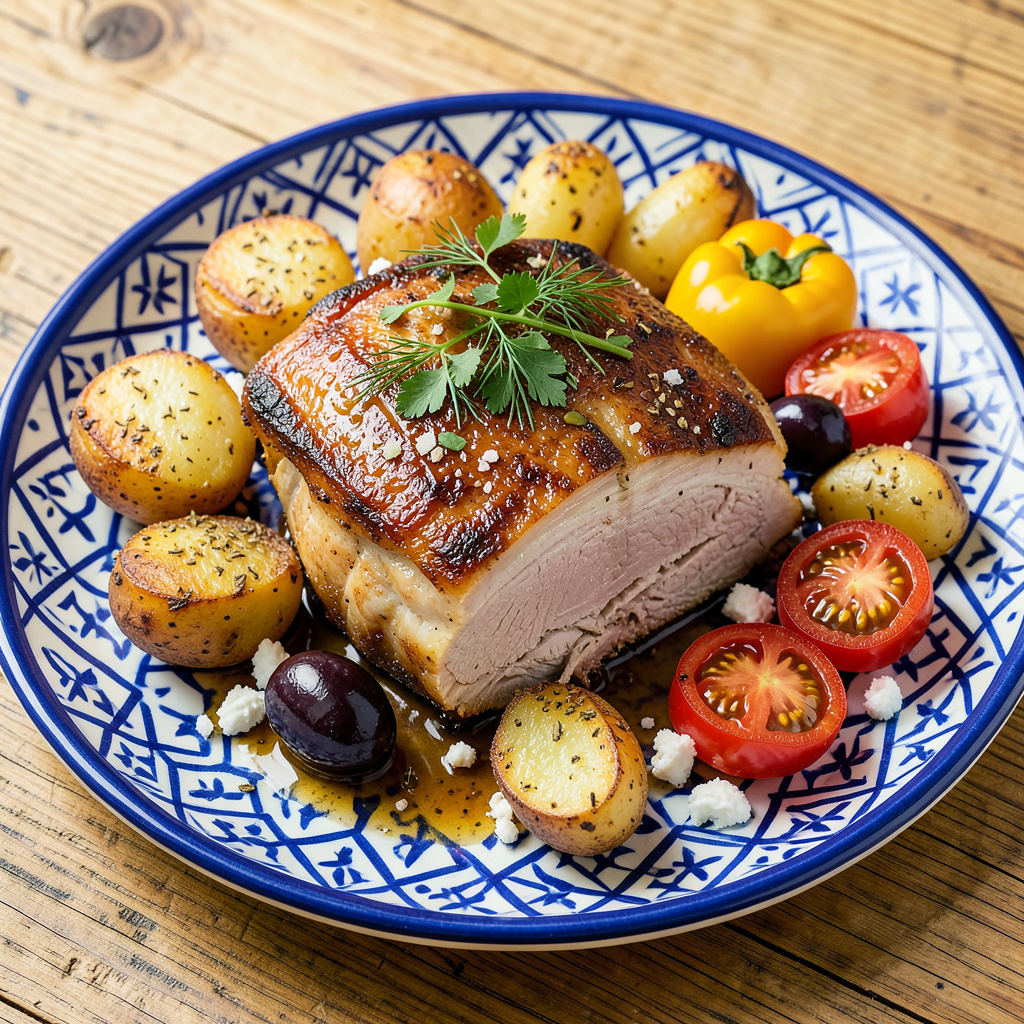
Yes, Greeks do eat pork, which plays a significant role in their cuisine. Traditional dishes like souvlaki, gyros, and holiday specialties such as christopsomo (Christmas bread with pork) showcase its cultural importance, though consumption varies by region and religious practices.
Pork holds a special place in Greek culinary traditions, especially during celebrations. 🔥 The island of Crete, for example, is famous for its pork-heavy dishes like apaki (smoked pork) and siglino (cured pork), which reflect the region’s agricultural heritage. Even during Orthodox Christian fasting periods, pork often makes a triumphant return to the table during feasts like Easter, where roasted pig becomes the centerpiece of communal gatherings.
What fascinates me most is how pork preparation varies across Greece—from the slow-cooked stifado in the north to the herb-marinated kontosouvli skewers in the Peloponnese. ✨ These regional specialties tell stories of local ingredients, historical influences, and family traditions passed down through generations.
💡 In This Article
- Pork in Greek Cuisine: Historical and Religious Influences
- Must-Try Greek Pork Dishes and Where to Find Them
Pork in Greek Cuisine: Historical and Religious Influences
The relationship between Greeks and pork stretches back to ancient times, when pigs were among the first domesticated animals in the region. Archaeological evidence from Minoan Crete (circa 2000 BCE) shows pig bones in ceremonial sites, suggesting their importance in early feasting traditions.
🔥 This historical connection explains why pork remains central to modern Greek celebrations—particularly during Christmas and Easter, where whole pigs are often roasted for hours over open flames.
Orthodox Christian fasting practices create a fascinating rhythm of pork consumption. During Lent and other fasting periods (totaling about 180 days annually), observant Greeks avoid all meat. This makes the return of pork during feast days like Easter particularly significant.
The contrast between fasting and feasting intensifies the cultural value of dishes like magiritsa (Easter soup with lamb offal) followed by roasted pork—a tradition that dates back to Byzantine times.
Regional variations reveal how geography shapes pork traditions. In mountainous areas like Epirus, pigs were historically easier to raise than cattle, leading to dishes like pork stifado with wild mushrooms.
On islands such as Crete, where olive oil production thrived, pork is often preserved in olive oil as siglino—a method that extends shelf life in warm climates. These preservation techniques developed from necessity but now define regional identities.
The preparation methods themselves carry deep meaning. Slow-roasting a whole pig for 12-14 hours at 225-250°F isn’t just about tenderness—it’s a communal event that brings families together. The crispy skin, called pork crackling, is considered a delicacy and often served first to honored guests.
This practice echoes ancient symposium traditions where the best portions went to the most respected attendees.
Modern Greek pork consumption also reflects economic shifts. While rural areas maintain traditional whole-animal cooking, urban centers have seen a rise in processed pork products like loukaniko sausage. This change mirrors broader European trends but retains distinct Greek flavors through spices like orange zest and fennel.
The adaptation shows how cultural traditions evolve while maintaining their core identity.
What surprises many visitors is how pork appears in unexpected dishes. Take pastitsio, Greece’s answer to lasagna—it typically contains ground pork layered with béchamel sauce. Or gemista (stuffed vegetables), where minced pork often joins rice in the filling.
These “hidden” pork elements demonstrate how deeply embedded the ingredient is in everyday cooking, not just special occasions.
The sensory experience of Greek pork dishes is unmistakable. The aroma of oregano-marinated souvlaki sizzling on a charcoal grill, the crackle of pork belly roasting in a wood-fired oven, or the rich umami of pork stifado simmered with cinnamon and tomatoes—these are flavors that define Greek culinary identity.
Each bite carries centuries of tradition, adapted to modern tastes while honoring ancient roots. ✨