
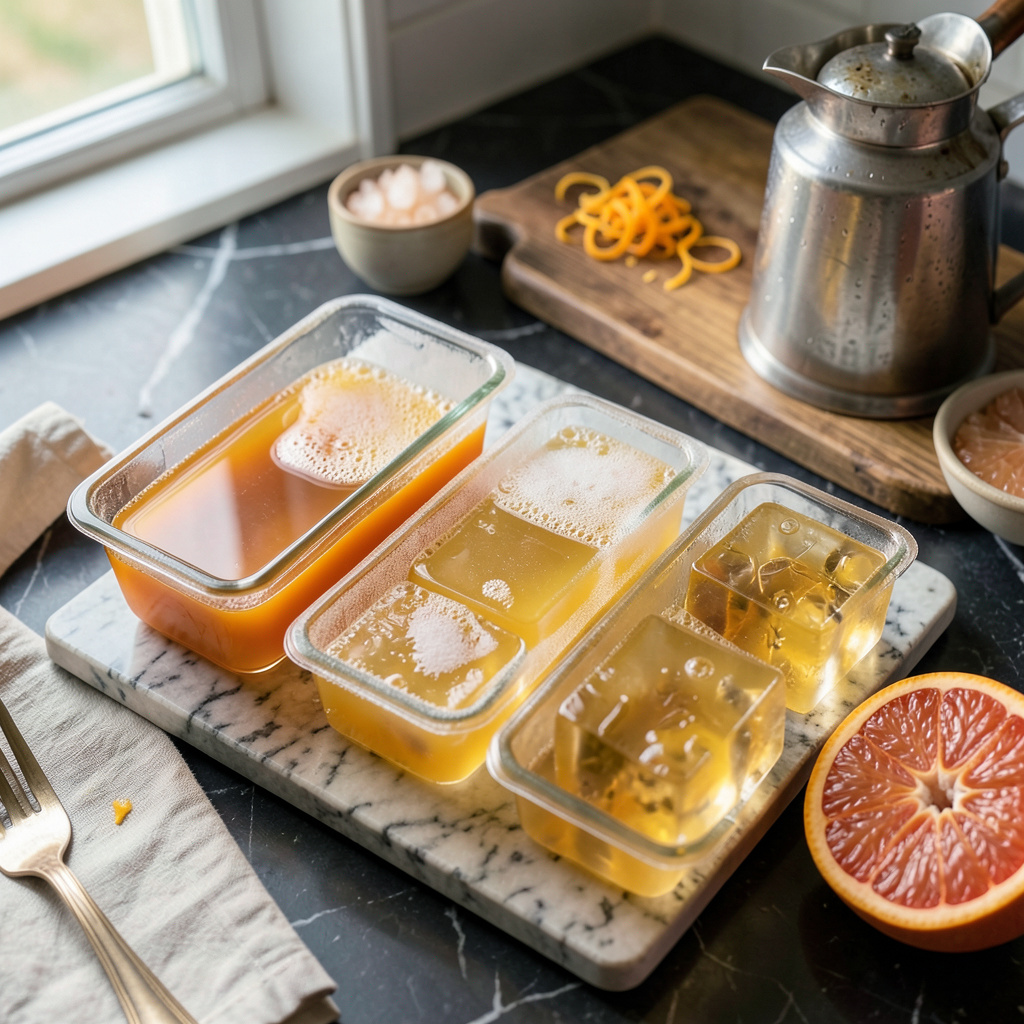
When life gives you too many oranges, freezing the juice is the ultimate flavor-saving hack. I’ve been doing this since my Georgia childhood, when we’d preserve summer citrus to brighten up winter mornings. The key is capturing that fresh-squeezed brightness before it fades—no fancy equipment needed, just smart prep and the right containers.
Here’s the thing—freezing orange juice properly means thinking about how you’ll use it later. Ice cube trays work for smoothies and cocktails, while mason jars are perfect for larger batches. I always strain out the pulp first (unless you love texture) and leave a little headspace—liquids expand when frozen, and nobody wants a juice explosion in their freezer.
The real magic happens when you thaw it. That concentrated citrus flavor becomes even more vibrant, perfect for everything from marinades to vegan sorbets. I keep frozen OJ cubes in my freezer year-round—they’re my secret weapon for adding instant brightness to sauces and dressings without watering them down.
Fair warning: frozen juice separates a bit when thawed, but a quick shake or stir brings it right back. This method gives you that just-squeezed taste for up to 6 months, which means summer sunshine in your glass even when it’s snowing outside. Let me show you exactly how to do it right.
📚 In This Guide
- What You’ll Need
- Instructions
- Tips and Common Mistakes
What Youll Need
- ● Fresh oranges – 10–12 medium (or ~6 cups of freshly squeezed juice). Opt for Valencia or Navel for the sweetest flavor!
- ● Citrus juicer – Manual or electric (a reamer works too if you’re squeezing by hand).
- ○ Fine-mesh strainer – To remove pulp (optional if you love texture!).
- ● Air-tight containers – Freezer-safe glass jars, BPA-free plastic containers, or ice cube trays (for single servings). Leave 1-inch headspace for expansion!
- ● Permanent marker & labels – For dating your stash (juice stays fresh for 8–12 months).
- ○ Funnel – Makes pouring into containers mess-free (optional but handy!).
- ○ Lemon juice (optional) – 1 tbsp per 4 cups of OJ to preserve color and add tang.
- ○ Vacuum sealer (optional) – For extra-long shelf life if you’re serious about storage.
Instructions for Freezing Orange Juice
Preserve that bright citrus flavor with this simple method—you’ll have sunshine in a glass anytime you want it!
Select the Freshest Juice
Start with the highest-quality orange juice you can find. I always recommend freshly squeezed juice for the best flavor, but high-quality store-bought options work too. Look for 100% pure orange juice without added sugars or preservatives—these can affect texture and taste after freezing.
The juice should be at peak freshness before freezing. If using freshly squeezed, strain out any pulp if you prefer a smoother texture after thawing. For store-bought, give the container a good shake to redistribute any settled pulp before pouring.
Choose the Right Freezing Container
Select containers that match how you plan to use the juice later. I love using ice cube trays for small portions—perfect for adding to smoothies or recipes. For larger quantities, airtight freezer-safe containers or heavy-duty freezer bags work beautifully.
Leave about 1 inch of headspace in containers to allow for expansion as the juice freezes. For bags, squeeze out all excess air before sealing to prevent freezer burn. Label everything with the date—frozen orange juice maintains best quality for 8-12 months.
Freeze Properly for Optimal Texture
Place your containers in the coldest part of your freezer, ideally on a flat surface where they won’t be disturbed. If using ice cube trays, freeze for 4-6 hours until completely solid before transferring cubes to a freezer bag.
The freezing process should be quick to preserve flavor and prevent ice crystal formation. Avoid overfilling containers—juice expands as it freezes and could cause spills. Once completely frozen, you can stack containers to save space, but give them room during the initial freezing stage.
Thaw with Care for Best Results
For the best texture, thaw frozen orange juice slowly in the refrigerator. This typically takes 6-8 hours for a standard container. If you’re in a hurry, you can use the defrost setting on your microwave, but watch carefully to prevent partial cooking.
After thawing, give the juice a good stir or shake—some natural separation may occur. The texture might be slightly thicker than fresh juice, which is normal. For a refreshing frozen treat, blend partially thawed juice with ice for an instant orange slushie!
Use Your Frozen Orange Juice Creatively
Frozen orange juice works beautifully in both sweet and savory dishes. Use it directly from frozen in smoothies for an extra frosty texture, or thawed in marinades to tenderize meats. I love adding frozen juice cubes to sparkling water for instant flavor without dilution.
Remember that frozen juice concentrates flavor, so you might need slightly less than fresh in recipes. The vibrant citrus taste makes it perfect for glazes, salad dressings, or even as a bright addition to winter stews when fresh citrus isn’t in season.
Tips and Common Mistakes for Freezing Orange Juice
Freezing orange juice is simple, but these key details will ensure you get the brightest flavor and best texture every time.
Quality Selection: The flavor of your frozen juice depends entirely on what you start with. In Step 1, when selecting juice, remember that freshly squeezed will always give you the most vibrant citrus flavor after thawing. If using store-bought, I can’t stress enough how important it is to check for 100% pure orange juice—any additives will affect both taste and texture when frozen. The difference between premium juice and bargain brands becomes even more noticeable after freezing.
Container Strategy: Your choice in Step 2 makes all the difference in convenience later. Ice cube trays are perfect for smoothies or recipes where you need small amounts, while larger containers work better for drinking. Here’s what nobody tells you—silicon ice cube trays release frozen juice cubes much more easily than plastic ones. For larger quantities, wide-mouth jars make scooping out partially thawed juice much simpler than narrow containers.
Freezing Technique: During Step 3, the 4-6 hours mentioned for ice cube trays isn’t just about solidification—it’s about preserving that fresh orange flavor. Freezing too slowly can create large ice crystals that damage the juice’s texture. I’ve found that placing trays in the very back of the freezer (where it’s coldest) gives the best results. Also, don’t skip the flat surface recommendation—it prevents uneven freezing that can lead to texture issues.
Thawing Wisdom: The 6-8 hours thawing time in Step 4 might seem long, but it’s crucial for maintaining texture. Quick thawing methods can cause separation and a watery consistency. If you’re really in a hurry, transfer the container to a bowl of cool water—it’ll thaw in about half the time without compromising quality. Always stir well after thawing, as the natural citrus oils tend to separate during freezing.
Pro Tips for Freezing Orange Juice
- Freezing orange juice is simple, but these key details will ensure you get the brightest flavor and best texture ever…
- Quality Selection: The flavor of your frozen juice depends entirely on what you start with. In Step 1, when selecting…
- Container Strategy: Your choice in Step 2 makes all the difference in convenience later. Ice cube trays are perfect f…
Frequently Asked Questions
Got questions about freezing orange juice? You’re not alone! Here are the most common queries—with quick, practical answers to keep your citrus game strong.
Can you freeze orange juice in its original container?
It’s not recommended—most cartons or bottles aren’t freezer-safe and may crack. Instead, transfer juice to airtight containers or freezer bags, leaving 1-inch headspace for expansion. Glass jars? Only if they’re tempered (like mason jars) and not filled to the brim!
How long does frozen orange juice stay good?
Properly stored, it lasts 8–12 months at 0°F (-18°C) without significant quality loss. For best flavor, use within 6 months. Label containers with dates—trust us, future-you will thank you!
Does freezing orange juice change the taste or texture?
Minimal change if frozen quickly! Thawed juice may separate slightly—just shake or stir to recombine. Concentrated frozen juice (like cans) retains flavor best. Fresh-squeezed? Expect a slightly duller taste but still delicious in smoothies or cooking.
What’s the best way to thaw frozen orange juice?
For speed: Use the fridge overnight (6–8 hours). Need it faster? Submerge the sealed container in cold water (change every 30 mins). Avoid microwaving—it can cook the juice unevenly and kill nutrients!
Can I freeze orange juice in ice cube trays for small portions?
Absolutely! Pour juice into trays, freeze, then transfer cubes to a bag. Perfect for smoothies, cocktails, or recipes needing a citrus boost. Pro tip: 1 cube = ~1 oz, so measure accordingly.
Freezing orange juice is a game-changer for keeping that fresh, zesty flavor on hand—no matter the season! Whether you opt for concentrate, ice cubes, or whole batches, you’ll lock in nutrients while cutting waste. 🍊❄️ Now that you’ve got the know-how, grab those oranges (or a carton of juice) and start freezing today! For extra inspiration, try blending your thawed OJ into smoothies or using it in marinades—your future self will thank you.