
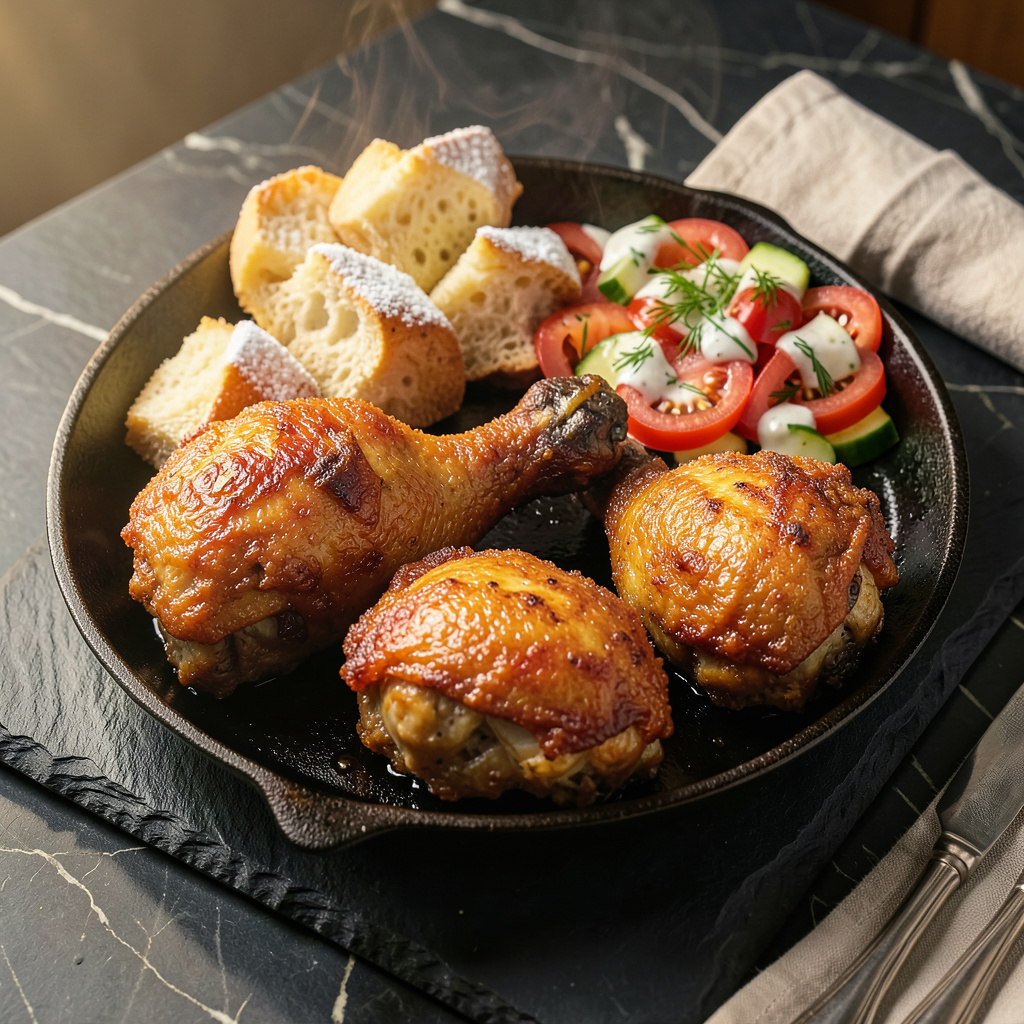
I’ll be real with you—frying chicken straight from frozen isn’t just possible, it’s a game-changer when you’re short on time. After years of testing (and a few burnt batches), I’ve cracked the code for achieving that crispy, golden crust without thawing. The secret? Adjusting oil temperature and cooking time to account for the frozen center.
Here’s the thing—most folks assume frozen chicken means soggy breading or undercooked meat. Not true. By starting with slightly cooler oil (325°F) and letting the chicken cook low and slow for the first 10 minutes, you create a protective barrier that seals in moisture while the inside thaws evenly. Then we crank up the heat to 375°F for that final golden crunch.
What you’ll end up with is juicy chicken with a shatteringly crispy coating—no mushy breading, no dry meat. I’ve served this to skeptical Southern grandmas (the ultimate test) and watched them ask for seconds. The key is patience during that initial cooking phase and using a thermometer to hit 165°F internally.
Perfect for weeknight emergencies or when you forget to thaw dinner. Grab your cast iron and let’s make this happen—no defrosting required.
📚 In This Guide
- What You’ll Need
- Instructions
- Tips and Common Mistakes
What Youll Need
- ● Frozen chicken pieces – 4–6 pieces (legs, thighs, wings, or breasts) (no need to thaw!) 🍗
- ● Vegetable oil, peanut oil, or canola oil – 2–3 cups (enough for 1–1.5 inches depth in your pan)
- ● All-purpose flour – 1.5 cups (for dredging)
- ○ Cornstarch – ¼ cup (optional, for extra crispiness)
- ● Seasonings: Salt – 1.5 tsp
- ● Black pepper – 1 tsp
- ● Paprika – 1 tsp (for color & smoky flavor)
- ○ Garlic powder – 1 tsp (optional but recommended)
- ○ Cayenne pepper – ¼ tsp (optional, for heat) 🌶️
- ● Tools & Equipment: Deep skillet or Dutch oven (10–12 inches wide, heavy-bottomed)
- ● Tongs or slotted spoon (for safe flipping)
- ● Paper towels (for draining excess oil)
- ○ Wire rack + baking sheet (optional, keeps chicken crispier)
- ● Meat thermometer (to check doneness—165°F internal temp) 🌡️
- ● Large mixing bowls (for dredging)
- ● Safety Must-Haves: Splatter screen (highly recommended to avoid oil burns)
- ● Fire extinguisher (just in case—safety first!) 🚒
Instructions
Here’s how to achieve perfectly crispy fried chicken straight from frozen—no thawing required.
Set Up Your Frying Station
Fill a deep, heavy-bottomed skillet or Dutch oven with 1½ to 2 inches of oil. I prefer peanut or vegetable oil for its high smoke point and neutral flavor. Heat the oil over medium-high heat until it reaches 350°F on a deep-fry thermometer.
While the oil heats, prepare a wire rack set over a baking sheet. This setup lets excess oil drip away from the chicken, keeping it crispy instead of soggy. I also line the baking sheet with paper towels for easy cleanup. Never skip this step—draining on paper towels alone makes the bottoms steam and lose their crunch.
Prepare the Frozen Chicken
Remove the frozen chicken pieces from their packaging and let them sit at room temperature for 5 minutes—just enough to take the chill off but not long enough to thaw. This brief rest prevents the coating from sliding off when it hits the hot oil.
If your chicken has ice crystals, pat it dry with paper towels. Any moisture will cause the oil to splatter dangerously and create steam pockets that prevent even browning. I like to work with one piece at a time to keep the others from warming up too much while I prep.
Fry in Batches for Even Cooking
Carefully lower 3-4 pieces of frozen chicken into the hot oil using tongs. Don’t overcrowd the pan—this drops the oil temperature and leads to greasy, undercooked chicken. The oil should bubble vigorously but not violently when you add the chicken.
Fry for 12-15 minutes, turning occasionally with tongs, until the coating turns deep golden brown and the internal temperature reaches 165°F. You’ll notice the bubbling slows as the chicken cooks through. Use a meat thermometer to check doneness—visual cues alone can be deceiving with frozen chicken.
Drain and Rest for Maximum Crispiness
Transfer the cooked chicken to your prepared wire rack. Let it rest for 5 minutes before serving—this crucial step allows the crust to set completely and the juices to redistribute. If you cut into it too soon, you’ll lose that perfect crunch.
Between batches, let the oil return to 350°F before adding more chicken. I use this time to check the first batch’s doneness and adjust my timing if needed. The oil temperature will drop more dramatically with each new batch, so be patient and let it recover fully.
Serve Immediately While Hot
Frozen fried chicken is best enjoyed right away while the crust is at its crispiest. The contrast between the shatteringly crisp exterior and juicy interior is what makes this method so satisfying. I like to serve it with classic sides like mashed potatoes and coleslaw.
If you must hold it for a few minutes, keep the chicken on the wire rack in a 200°F oven. Never cover it or stack the pieces—trapped steam will turn your beautiful crispy coating soggy in no time. Leftovers can be reheated in a 400°F oven for 10-12 minutes to revive some crispness.
Tips and Common Mistakes
Frying chicken straight from frozen might seem intimidating, but these practical insights will help you achieve that perfect crispy crust every time.
Temperature Control: Maintaining that 350°F oil temperature is absolutely crucial. I’ve found that using a clip-on deep-fry thermometer gives the most accurate reading. If your oil drops below 325°F during frying, the chicken will absorb too much oil and become greasy. Between batches, give the oil time to return to 350°F – this usually takes about 3-5 minutes depending on your stove.
The 5-Minute Rule: Don’t skip that brief 5-minute rest for your frozen chicken in Step 2. This short time at room temperature makes a surprising difference – it prevents the coating from sliding right off when it hits the hot oil. I learned this the hard way after losing the crust on my first few attempts. The chicken should still be solidly frozen but not ice-cold to the touch.
Batch Size Matters: When frying in Step 3, stick to 3-4 pieces at a time no matter how tempted you are to speed things up. Overcrowding drops the oil temperature dramatically and creates uneven cooking. You’ll notice the oil bubbles more vigorously with the first batch – that’s normal as the oil is hottest at this point. Later batches may need an extra minute or two within that 12-15 minute range to reach the same deep golden brown color.
Resting for Crispiness: That 5-minute rest in Step 4 isn’t just about juices redistributing – it’s when the crust sets completely. If you cut into the chicken too soon, steam escapes and softens that perfect crispy exterior you worked so hard to create. I set a timer for this step because it’s easy to get impatient when the chicken smells so good!
Pro Tips for Fry Chicken From Frozen
- Frying chicken straight from frozen might seem intimidating, but these practical insights will help you achieve that …
- Temperature Control: Maintaining that 350°F oil temperature is absolutely crucial. I’ve found that using a clip-on de…
- The 5-Minute Rule: Don’t skip that brief 5-minute rest for your frozen chicken in Step 2. This short time at room tem…
Frequently Asked Questions
Can I deep-fry chicken straight from frozen without thawing?
Yes! You can fry frozen chicken, but it takes 25-50% longer than thawed. Use oil at 325–350°F (not higher) to cook it through without burning the crust. Always check internal temp hits 165°F with a meat thermometer for safety.
How do I keep the coating from falling off frozen chicken?
Pat the chicken dry with paper towels (even if frozen) before dredging. Use a flour-egg-breadcrumbs triple dip for max adhesion. Let coated chicken rest 5–10 minutes before frying to help the crust set.
Why is my fried frozen chicken soggy inside?
Sogginess happens if the oil temp drops too low or the chicken steams. Fry in small batches to maintain oil heat, and avoid overcrowding. For extra crispiness, drain on a wire rack (not paper towels) after frying.
Is it safer to air-fry or oven-bake frozen chicken instead?
Air-fry at 375°F for 20–25 minutes (flip halfway) or bake at 400°F for 30–40 minutes. Both methods are healthier and reduce oil splatter risks. Spray lightly with oil for crispier results.
What’s the fastest way to thaw chicken if I change my mind?
For speed, use the cold-water method: Seal chicken in a leak-proof bag, submerge in cold water, and change water every 30 minutes. A 1-lb piece thaws in ~1 hour. Never thaw at room temp!
Cooking fry chicken from frozen doesn’t have to mean sacrificing crispiness or flavor—just follow the right steps! With a little patience and the right technique, you can achieve that golden, juicy perfection in under 30 minutes. No thawing? No problem! 🍗✨
Ready to put your new skills to the test? Grab that bag of frozen chicken, fire up the oil, and get frying! For extra inspiration, try experimenting with different seasonings or dipping sauces next time. Happy cooking!