
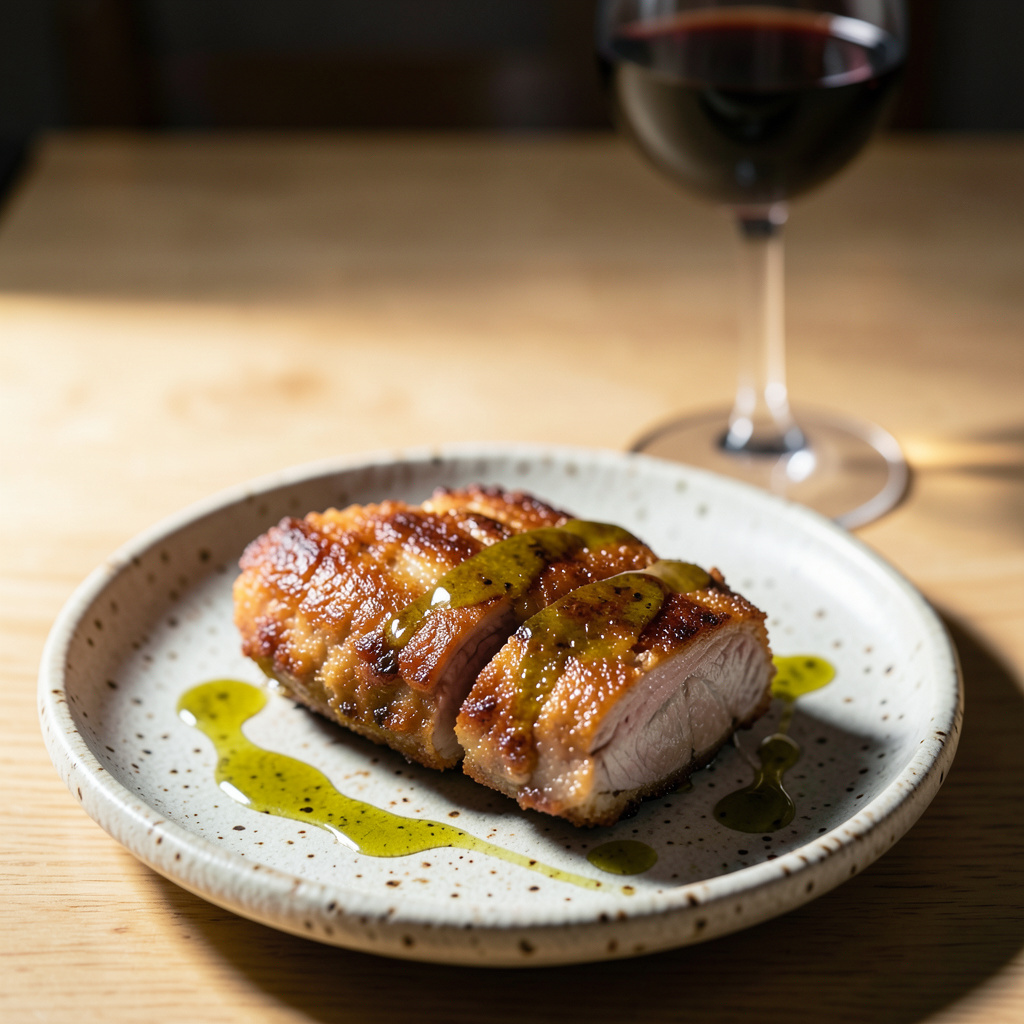
I’ve perfected my Japanese Tonkatsu Pork recipe after years of experimenting with different breading techniques and cooking methods. 🔥 The result is a crispy exterior giving way to tender, juicy pork that rivals any restaurant.
The secret to achieving perfect tonkatsu lies in the preparation. I use thinly sliced pork cutlets coated in a light batter of flour, egg, and panko breadcrumbs. The key is to maintain a consistent temperature of 350°F during frying to ensure a golden crust.
To complete the meal, I recommend serving tonkatsu with steamed rice, shredded cabbage, and a side of miso soup. The combination of textures and flavors creates a harmonious dining experience that’s both comforting and sophisticated.
With this recipe, you’ll be able to create an authentic Japanese dish in the comfort of your own home. The crispy exterior and tender interior make it a crowd-pleaser that’s sure to impress.
Ingredients for Japanese Tonkatsu Pork
Crispy tonkatsu requires quality ingredients and precise technique. Here’s what you need.
| Ingredient | Amount | Notes |
|---|---|---|
| Pork Cutlets 🥩 | 4 pieces | Thinly sliced, about 1/4 inch thick |
| All-Purpose Flour 🌾 | 1 cup | For dredging pork cutlets |
| Large Eggs 🥚 | 2 whole | Beaten for egg wash |
| Panko Breadcrumbs 🍞 | 2 cups | Fresh, not stale |
| Vegetable Oil 🫒 | 1 cup | For frying, about 350°F |
| Salt 🧂 | 1 tsp | Kosher or sea salt |
| Black Pepper 🌶️ | ½ tsp | Freshly ground preferred |
| Worcestershire Sauce 💧 | 1 tbsp | Optional, for marinade |
| Shredded Cabbage 🥬 | 2 cups | For serving, thinly sliced |
| Steamed Rice 🍚 | 2 cups | Cooked according to package |
| Miso Soup 🍜 | 1 cup | Store-bought or homemade |
| Tonkatsu Sauce 🍜 | ½ cup | Optional, for serving |
The pork cutlets matter here. Look for thinly sliced pork at Asian markets or quality supermarkets. If you can’t find pre-sliced, ask your butcher to slice it for you. For the panko, Japanese brands give the best crunch. I prefer Nagatanien or similar quality brands for the best results.
No panko? Regular breadcrumbs work, but toast them first to get closer to panko’s texture. For extra crispiness, you can chill the breaded cutlets in the fridge for 30 minutes before frying. If you’re out of tonkatsu sauce, a mix of ketchup and Worcestershire gets you close. Some people add a splash of soy sauce too.
Leftover tonkatsu? It reheats beautifully in the oven at 375°F for about 10-12 minutes. Store in an airtight container in the fridge for up to 3 days. The breaded coating can be frozen on a baking sheet, then transferred to a freezer bag for up to 1 month.
❤️
Why You’ll Love Japanese Tonkatsu Pork
- DESCRIPTION: I love that I can have this Japanese Tonkatsu Pork Recipe ready in under 30 minutes – the prep work is unfussy, with just a few ingredients to juggle: pork cutlets, flour, eggs, and Panko breadcrumbs.
Step-by-Step Instructions for Tonkatsu Pork
Mastering this Japanese classic is easier than you think—let’s get started!
🔪 Step 1: Prepare the Pork Cutlets
Begin by preparing the 4 pieces Pork Cutlets. I like to pat them dry with paper towels to remove excess moisture, which helps the breading adhere better. If your cutlets aren’t already ¼ inch thick, gently pound them between two sheets of plastic wrap using a meat mallet until they reach the desired thickness.
Season both sides of the cutlets with 1 tsp Salt and 0.5 tsp Black Pepper. If you’re feeling adventurous, you can marinate them in 1 tbsp Worcestershire Sauce for about 10 minutes before breading for an extra depth of flavor.
👨🍳 Step 2: Bread the Cutlets
Set up your breading station with three shallow dishes: one with 1 cup All-Purpose Flour, one with 2 whole Large Eggs beaten until smooth, and one with 2 cups Panko Breadcrumbs. I like to keep the breadcrumb container near the stove for quick assembly.
Dredge each pork cutlet in the flour, coating both sides evenly and shaking off any excess. Then dip it in the beaten eggs, making sure they’re fully coated. Finally, press the cutlet into the Panko Breadcrumbs, ensuring they adhere evenly to both sides. The key is gentle handling to maintain that perfect crust.
🍳 Step 3: Fry to Golden Perfection
Heat 1 cup Vegetable Oil in a large skillet over medium-high heat until it reaches 350°F. I use a thermometer to ensure the perfect temperature—too hot and the outside burns before the inside cooks, too cold and the breading absorbs too much oil.
Carefully place the breaded cutlets in the hot oil and fry for 3-4 minutes per side until they achieve a beautiful golden brown crust. Don’t overcrowd the pan—fry in batches if necessary. Once done, transfer the cutlets to a wire rack set over a baking sheet to drain excess oil.
🥘 Step 4: Assemble the Tonkatsu
To serve, slice each tonkatsu cutlet into ½-inch thick strips. I like to present them on a bed of 2 cups Shredded Cabbage alongside 2 cups Steamed Rice. For an authentic experience, serve with 1 cup Miso Soup and a drizzle of 0.5 cup Tonkatsu Sauce on the side.
The combination of crispy exterior, juicy pork, and tangy sauce creates a truly satisfying meal. You can customize by adding additional toppings like shredded daikon or pickled ginger to enhance the experience.
👨🍳
Pro Tips for Making Japanese Tonkatsu Pork
- Double Dredge: Coat your pork cutlets in flour, then egg, then Panko breadcrumbs, and for extra crunch, repeat the egg and breadcrumb step. I learned this the hard way—after burning three batches, I finally figured out that double dredging makes all the difference in getting that perfect crust.
- Heat Control: Heat your vegetable oil to about 350°F, then adjust the heat as needed to maintain a consistent temperature. If it gets too hot, your Panko will burn before the pork is cooked through.
- Don’t Overcrowd: Fry your pork cutlets one at a time to prevent the oil temperature from dropping. This ensures a crispy exterior and juicy interior.
- Rest the Cutlet: After frying, place the tonkatsu on a wire rack set over a baking sheet to drain excess oil, and let it rest for a few minutes. This helps keep the coating crispy.
Flavor Customization for Japanese Tonkatsu Pork
Spice It Up
For a different flavor profile, try adding 1 tsp of Japanese curry powder or 2 tbsp of yuzu juice to the breadcrumb mixture. This gives the tonkatsu a unique twist while maintaining its crispy texture. You can also experiment with other spices like cayenne pepper or garlic powder to add a personal touch.
Sauce Variations
While traditional tonkatsu sauce is a great accompaniment, you can also try other options like teriyaki sauce, yuzu mayo, or a simple lemon wedges for a brighter flavor. For a spicy kick, mix some gochujang into your tonkatsu sauce. The key is to balance the flavors so that the sauce complements the crispy pork without overpowering it.
Breading Alternatives
If you want to mix things up, try using crushed cornflakes or gluten-free panko as alternatives to regular breadcrumbs. These options can add a different texture and flavor to your tonkatsu. For an extra crispy coating, you can chill the breaded cutlets in the refrigerator for 30 minutes before frying.
Regional Twists
In Japan, different regions have their own variations of tonkatsu. For example, in Nagoya, they serve tonkatsu with a special miso sauce that’s both sweet and savory. You can recreate this by mixing miso paste with soy sauce and a bit of sugar. Experimenting with regional flavors can add a fun twist to this classic dish.
Customizing the Pork
For a more tender tonkatsu, you can marinate the pork cutlets in a mixture of soy sauce, sake, and mirin before breading. This not only adds flavor but also helps to tenderize the meat. Be sure to pat the cutlets dry before breading to ensure the coating adheres properly.
Serving Suggestions
Tonkatsu is traditionally served with shredded cabbage, steamed rice, and miso soup. However, you can also get creative with your sides. Try serving it with a fresh salad, pickled vegetables, or even Japanese-style coleslaw for a refreshing contrast to the rich pork.
Tips & Tricks for Perfect Tonkatsu Pork
A few expert techniques can elevate your tonkatsu from good to exceptional. Let’s dive into the details that make all the difference.
The Breading Technique: For that signature crispy crust, make sure to press the Panko Breadcrumbs firmly onto the pork cutlets after coating. I like to give them a gentle squeeze to ensure the crumbs adhere properly, which helps prevent them from falling off during frying. The result is a beautifully crunchy exterior that stays intact.
Temperature Control: Heating the 1 cup Vegetable Oil to exactly 350°F is crucial. Too hot, and the outside burns before the inside is fully cooked; too cold, and the breading absorbs too much oil, making it greasy. Using a thermometer takes the guesswork out of achieving that perfect golden crust every time.
Frying in Batches: If you’re cooking all 4 cutlets, don’t be afraid to fry them in batches. Overcrowding the pan can lower the oil temperature too much, resulting in soggy breading. I typically fry 2 cutlets at a time, keeping the others ready to go on a plate nearby. This ensures each cutlet gets the perfect crispy treatment.
Resting the Cutlets: After frying, transferring the tonkatsu to a wire rack set over a baking sheet is a game-changer. It allows excess oil to drain off without steaming the crust, keeping it crisp. Letting them rest for just a minute or two before slicing makes a big difference in maintaining that delightful crunch.
Nutrition Facts
540kcal
Frequently Asked Questions
What’s the best type of pork to use for tonkatsu?
For authentic tonkatsu, use thinly sliced pork cutlets, preferably from the loin or tenderloin. Look for cuts that are about 1/4 inch thick for the best results. You can ask your butcher to slice it for you if needed.
Can I bake tonkatsu instead of frying it?
While traditional tonkatsu is deep-fried, you can bake it for a healthier alternative. Preheat your oven to 400°F and bake for 15-20 minutes, flipping halfway. The result won’t be as crispy, but it’s a great option if you’re watching your oil intake.
How do I keep tonkatsu crispy after frying?
To maintain crispiness, place fried tonkatsu on a wire rack set over a baking sheet. This allows air to circulate around the cutlet, preventing sogginess. Avoid placing it on paper towels, as they can trap moisture. For extra crunch, you can chill the breaded cutlets in the refrigerator for 30 minutes before frying.
What’s the difference between panko and regular breadcrumbs?
Panko breadcrumbs are lighter and crisper than regular breadcrumbs because they’re made from crustless white bread. This results in a less dense coating that absorbs less oil during frying, giving tonkatsu its signature crunch. If you don’t have panko, you can toast regular breadcrumbs to get a similar texture.