
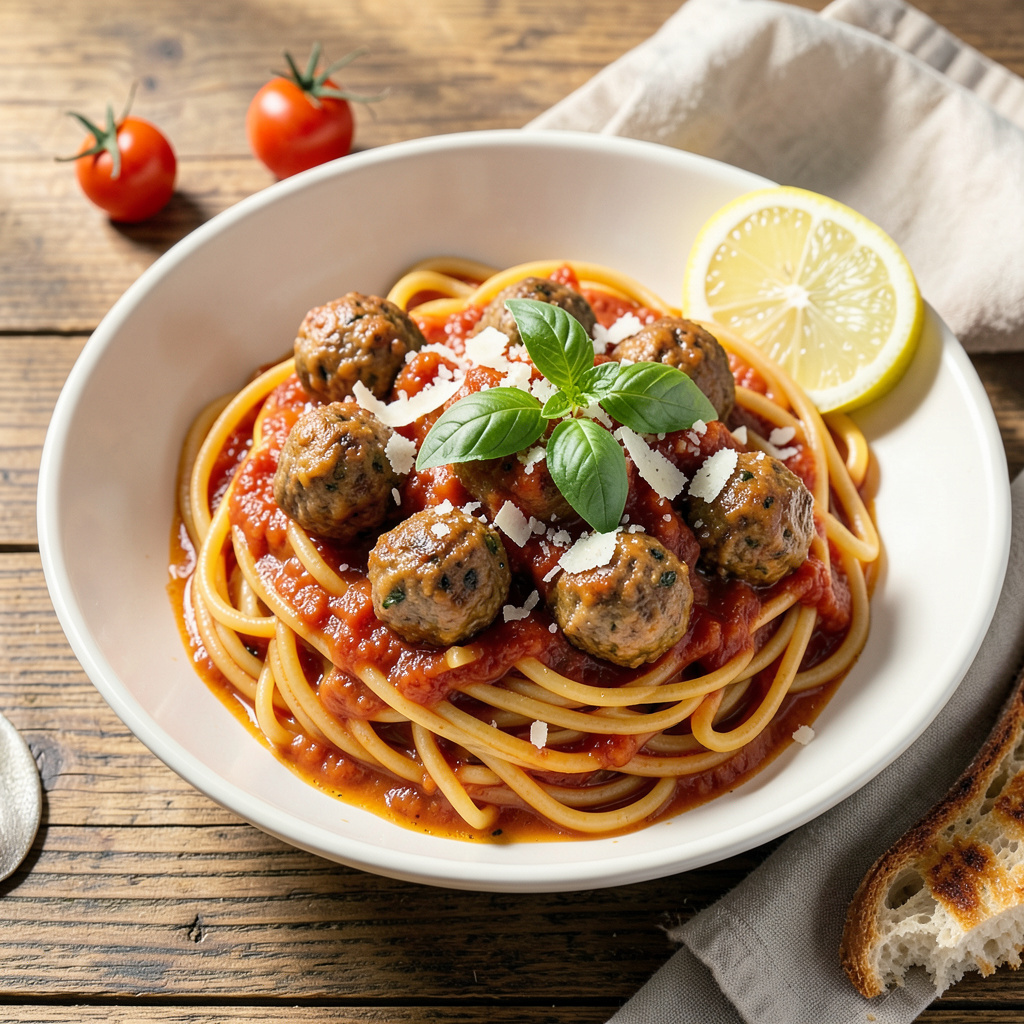
I’ll be real with you—adding lemon juice to spaghetti sauce changed my marinara game forever. That little splash of brightness cuts through the richness of tomatoes and makes every bite taste more vibrant. It’s not about making the sauce sour, but about balancing flavors so they pop on your palate.
This recipe takes classic spaghetti and elevates it with just a few simple tweaks. The lemon juice gets added at the end of cooking, after the sauce has simmered and developed its deep tomato flavor. I pair it with fresh basil and a pinch of red pepper flakes for that perfect Italian balance—sweet, tangy, and just a little spicy.
You’ll end up with al dente pasta coated in a sauce that’s rich but never heavy, with that subtle citrus brightness that keeps you coming back for more. The lemon doesn’t scream “citrus!”—it just makes everything taste more like itself, if that makes sense. It’s the kind of dish that feels fancy but comes together in about 30 minutes.
Serve it with grated Parmesan and extra lemon zest if you’re feeling fancy, or keep it simple with just the pasta and sauce. Either way, this becomes one of those recipes you’ll make again and again. Let’s get that water boiling!
📚 In This Guide
- What You’ll Need
- Instructions
- Tips and Common Mistakes
What Youll Need
- ● Spaghetti sauce base: 4 cups (32 oz) of your favorite marinara or homemade tomato sauce 🍅
- ● Fresh lemons: 1–2 medium (for 2–3 tbsp freshly squeezed juice—adjust to taste!)
- ○ Fine-mesh strainer or juicer: To catch seeds/pulp (optional but handy)
- ● Mixing bowl: Medium-sized (2–3 qt) for blending ingredients
- ● Wooden spoon or whisk: For stirring (avoid metal if using reactive cookware)
- ● Saucepan: 3–4 qt, heavy-bottomed (stainless steel or enameled cast iron preferred)
- ● Measuring spoons: 1 tsp, 1 tbsp (for precise lemon juice and seasoning)
- ○ Optional flavor boosters: 1–2 cloves minced garlic (for depth)
- ● ½ tsp red pepper flakes (for heat)
- ● 2 tbsp fresh basil or parsley, chopped (for freshness)
- ● 1 tsp honey or sugar (to balance acidity, if needed)
- ● Tasting spoons: Because adjusting lemon juice is key! 😉
- ● Air-tight container: For storing leftovers (up to 5 days in fridge).
Instructions for Adding Lemon Juice to Spaghetti Sauce
Here’s how to incorporate lemon juice for a bright, balanced marinara that stays true to classic flavors.
Prepare Your Base Sauce
Start with your favorite classic marinara sauce recipe or a quality store-bought version. I recommend using about 4 cups of sauce for this preparation, which will serve 4 people generously. Bring the sauce to a gentle simmer in a saucepan over medium-low heat.
Let it cook uncovered for 10-15 minutes to allow the flavors to meld and the sauce to reduce slightly. You’ll notice the sauce darkening slightly and becoming more aromatic as it cooks. This concentration of flavors creates the perfect base for our lemon addition.
Add Lemon Juice Gradually
Begin with 1 tablespoon of freshly squeezed lemon juice. I always use fresh rather than bottled juice because it has a brighter, more complex flavor that really enhances the sauce. Stir it in thoroughly and let the sauce simmer for another 2-3 minutes.
Taste the sauce carefully. You’re looking for a subtle brightness that enhances the tomato flavor without overpowering it. The lemon should complement rather than dominate. If needed, add another ½ to 1 tablespoon of lemon juice, but remember you can always add more later if needed.
Balance the Flavors
After adding the lemon juice, you may need to adjust the seasoning. I often find that a pinch of sugar (about ½ teaspoon) helps balance the acidity. Add it gradually and taste as you go. The sugar shouldn’t make the sauce sweet, just rounded and balanced.
You might also want to add a bit more salt to enhance all the flavors. Let the sauce simmer for another 5 minutes after these adjustments. This gives all the flavors time to harmonize. The final sauce should taste bright and well-balanced, with the lemon adding complexity rather than sourness.
Finish and Serve
Once you’re satisfied with the flavor balance, remove the sauce from heat. For the best texture, I like to stir in 2 tablespoons of butter at the end. This adds a velvety richness that complements the bright lemon notes beautifully. The butter should melt completely into the sauce.
Let the sauce rest for 5 minutes before serving. This brief resting period allows the flavors to meld completely. Toss with freshly cooked spaghetti and serve immediately. The lemon-infused sauce pairs particularly well with a sprinkle of fresh basil or grated Parmesan cheese on top.
Tips and Common Mistakes
Getting the lemon flavor just right requires attention to detail—here’s what I’ve learned from years of perfecting this balance.
Heat Control: When simmering your sauce over medium-low heat in Step 1, keep it at a gentle bubble where you see just a few small bubbles breaking the surface. Too high and the lemon juice can become bitter; too low and the flavors won’t meld properly. I find a heat setting between 3 and 4 on most stovetops works perfectly for maintaining that ideal simmer during the 10-15 minute cooking time.
Lemon Juice Technique: In Step 2, when adding that first tablespoon of lemon juice, use a fine-mesh strainer to catch any seeds or pulp. The oils in lemon zest can sometimes make the sauce separate, so I avoid adding zest unless I’m making a variation specifically calling for it. The 2-3 minutes of simmering after adding lemon is crucial—it mellows the acidity while letting the citrus notes integrate with the tomato base.
Balancing Act: The ½ teaspoon of sugar in Step 3 might seem small, but it’s the perfect amount to round out the acidity without making the sauce sweet. I like to dissolve it in a teaspoon of the hot sauce before stirring it in—this ensures even distribution. When tasting for balance, spoon a little sauce onto a white plate first; the color contrast helps you focus on flavor rather than being influenced by the rich red hue in the pot.
Finishing Touch: That 5-minute rest in Step 4 isn’t just about cooling—it’s when the butter fully emulsifies into the sauce, creating that velvety texture we want. I often swirl the pan gently a couple times during this rest to help distribute the butter evenly. The sauce will thicken slightly as it cools, so don’t worry if it seems a bit thin when you first remove it from heat.
Pro Tips for Lemon Juice In Spaghetti Sauce
- Getting the lemon flavor just right requires attention to detail—here’s what I’ve learned from years of perfecting th…
- Heat Control: When simmering your sauce over medium-low heat in Step 1, keep it at a gentle bubble where you see just…
- Lemon Juice Technique: In Step 2, when adding that first tablespoon of lemon juice, use a fine-mesh strainer to catch…
Frequently Asked Questions
Can I use bottled lemon juice instead of fresh in spaghetti sauce?
Yes, but fresh is always best! Bottled lemon juice works in a pinch, but it lacks the bright, complex flavor of fresh-squeezed. If using bottled, opt for 100% pure juice with no additives, and start with half the amount—taste and adjust to avoid overpowering the sauce.
When’s the best time to add lemon juice to spaghetti sauce?
Add it at the end of cooking! Stir in lemon juice during the last 5–10 minutes of simmering to preserve its fresh, zesty flavor. Adding it too early can cause the acidity to break down other ingredients or mellow out too much. Try these swaps: white wine vinegar (½ the amount), red wine (for depth), or a splash of orange juice (for sweetness). For a non-acidic brightener, a pinch of sugar or grated zest (lemon/orange) can mimic balance without tang. Too much juice or cooking it too long can amplify bitterness. Fix it by balancing with a teaspoon of sugar, a splash of cream, or extra salt. If using zest, avoid the white pith—it’s the culprit for bitter flavors! The acidity in lemon juice can act as a mild preservative, extending fridge life by 1–2 days. For best results, store sauce in an airtight container and use within 5 days, or freeze for up to 3 months.What can I use if I don’t have lemon juice for my sauce?
Why does my spaghetti sauce taste bitter after adding lemon juice?
Does lemon juice make spaghetti sauce last longer?
Adding lemon juice to spaghetti sauce is a game-changer—it brightens flavors, balances richness, and adds a zesty kick without overpowering your dish. 🍋 Whether you’re tweaking a family recipe or experimenting with new tastes, this simple trick can elevate your marinara in minutes.
Ready to try it? Start with a splash in your next batch and adjust to taste. For more bold twists, explore other citrus-infused sauces or share your creations with fellow food lovers!