
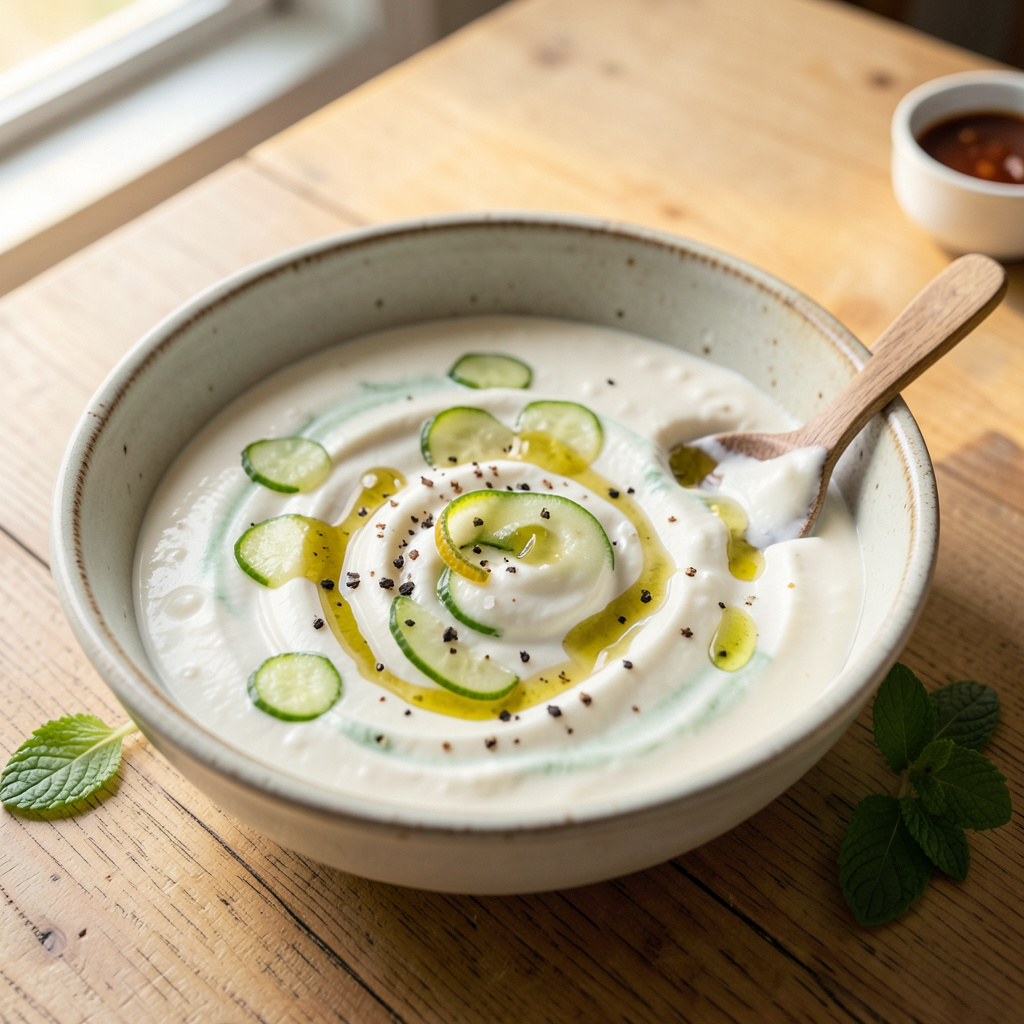
I’ve been there—you make a batch of tzatziki, take that first bite, and bam, it’s so sour it makes your cheeks pucker. After years of perfecting this sauce (and plenty of failed batches), I learned that sourness usually comes from two culprits: too much lemon juice or yogurt that’s naturally tart. The good news? Both are easy fixes.
Most home cooks overdo the lemon juice, thinking more means brighter flavor. Wrong. Tzatziki should be creamy first, tangy second. I start with just 1 tablespoon of lemon juice per cup of yogurt, then adjust. Greek yogurt can also be sneaky—full-fat versions are less sour than low-fat. Always taste your yogurt before mixing, and if it’s sharp, balance it with a drizzle of honey or olive oil.
The real secret weapon? Cucumber juice. After grating and draining cucumbers, I press the pulp to extract every drop of liquid. That juice gets stirred back in at the end, adding freshness without extra sourness. It’s the difference between good tzatziki and the perfect creamy version that disappears fast at parties.
Here’s the foolproof ratio I use: 2 cups Greek yogurt, 1 small cucumber (juice reserved), 1 tablespoon lemon juice, 1 garlic clove, 1 tablespoon olive oil, and salt to taste. Mix, chill for 1 hour, then adjust. Storage tip: Keep it in a sealed container with plastic wrap pressed directly on the surface to prevent separation.
📚 In This Guide
- What You’ll Need
- Instructions
- Tips and Common Mistakes
What Youll Need
- ● Fresh ingredients: 1 cup (240g) plain Greek yogurt (full-fat for creamier texture 🥛)
- ● ½ medium English cucumber (peeled, seeded, ~100g after grating)
- ● 1–2 cloves fresh garlic (minced, adjust to taste)
- ● 1 tbsp (15ml) extra-virgin olive oil (cold-pressed preferred)
- ● 1 tbsp (15ml) fresh lemon juice (or red wine vinegar for tang)
- ● ¼ tsp (1.5g) salt (fine sea salt or kosher)
- ● 1 tbsp (4g) fresh dill (chopped, or 1 tsp dried in a pinch)
- ● Tools: Box grater or food processor (for cucumber 🥒)
- ● Fine-mesh strainer or cheesecloth (to drain cucumber)
- ● Mixing bowl (medium-sized, non-reactive like glass/stainless steel)
- ● Whisk or fork (for smooth blending)
- ● Measuring spoons/cups (precision matters!)
- ○ Optional fixers (if sauce is too sour): 1–2 tsp (5–10g) honey (or sugar) to balance acidity
- ● Extra 1–2 tbsp (15–30ml) Greek yogurt to dilute
- ● Pinch of baking soda (⅛ tsp) to neutralize tang (use sparingly!)
Instructions
Here’s exactly how to rescue your tzatziki and restore that perfect creamy balance.
Dilute the Sourness with Neutral Ingredients
Start by identifying what you already have in your tzatziki. If it’s too sour, the simplest fix is to dilute the acidity with neutral ingredients. Add 1-2 tablespoons of plain Greek yogurt at a time, stirring well after each addition. I prefer full-fat Greek yogurt for this because it maintains the creamy texture while softening the sourness.
Taste after each addition—you’re looking for a balanced flavor where the tang is present but not overpowering. If you don’t have extra yogurt, a splash of heavy cream works too, though it will make the sauce slightly richer. The key is to add gradually so you don’t overshoot the mark.
Sweeten to Counterbalance the Acid
If dilution alone isn’t enough, it’s time to add a touch of sweetness. Start with ½ teaspoon of honey and mix it in thoroughly. Honey works better than sugar here because it dissolves instantly and adds a subtle floral note that complements the cucumber and herbs.
Let the sauce sit for 5 minutes after adding the honey—the flavors need time to meld. Then taste again. You’re not aiming for sweetness, just a rounded flavor that takes the edge off the sourness. If needed, add another ¼ teaspoon, but go slowly. The goal is balance, not a sweet sauce.
Adjust the Texture and Freshness
Now that you’ve balanced the flavors, check the texture. If your tzatziki became too thin from the additions, grate in some fresh cucumber (peeled and seeded) to thicken it naturally. Use about 2 tablespoons of finely grated cucumber, then let it sit for 10 minutes to allow the cucumber to release its moisture.
For an extra layer of freshness, stir in 1 teaspoon of freshly chopped dill. The herb’s bright, slightly sweet flavor will enhance the creaminess and help mask any lingering sourness. If you don’t have dill, mint works beautifully too—just use half the amount, as it’s more potent.
Chill and Let Flavors Harmonize
After making your adjustments, cover the tzatziki and refrigerate for at least 30 minutes. This chilling time is crucial—it allows all the flavors to blend together smoothly. The cold temperature also helps the yogurt firm up slightly, giving you that ideal creamy consistency.
Before serving, give it one final taste. If the sourness still comes through too strongly, you can repeat the dilution step with a bit more yogurt. But I’ve found that after proper chilling, the flavors always come together beautifully. Serve with warm pita or fresh veggies to really appreciate your perfectly balanced tzatziki.
Tips and Common Mistakes
Here’s what I’ve learned from rescuing countless batches of overly sour tzatziki—small adjustments make all the difference.
Gradual Adjustment is Key: When adding the 1-2 tablespoons of plain Greek yogurt in Step 1, resist the urge to dump it all in at once. I’ve found that adding just 1 tablespoon, stirring thoroughly, then waiting 2 minutes before tasting gives the most accurate sense of balance. This patience prevents over-dilution, which can make your tzatziki taste flat instead of creamy. The same rule applies when using heavy cream—start with just 1 teaspoon at a time.
Honey Integration Technique: For Step 2, don’t just stir in that ½ teaspoon of honey—warm it slightly first. Rub the measuring spoon between your palms for 10 seconds to thin the honey, then drizzle it in while stirring. This creates an even distribution so you won’t get pockets of sweetness. I also recommend using the back of your spoon to press the honey against the bowl’s side, helping it incorporate fully during those critical 5 minutes of resting time.
Cucumber Preparation Matters: In Step 3, when adding the 2 tablespoons of finely grated cucumber, make sure to peel and seed it first—this isn’t just about texture. The seeds and peel contain more water and can introduce bitterness that might clash with your carefully balanced flavors. After grating, I like to press the cucumber between paper towels to remove excess moisture before adding it to the tzatziki. This ensures you’re thickening without watering down the sauce during that 10-minute waiting period.
Chilling Strategy: The 30-minute refrigeration in Step 4 isn’t just about cooling—it’s about transformation. For best results, use a shallow, wide container rather than a deep bowl. This increases the surface area, allowing the tzatziki to chill more evenly and quickly. I also place a piece of parchment paper directly on the surface before sealing with plastic wrap to prevent any skin from forming. This technique maintains that perfect creamy consistency we’re aiming for.
Pro Tips for My Tzatziki Sauce Is Too Sour
- Here’s what I’ve learned from rescuing countless batches of overly sour tzatziki—small adjustments make all the diffe…
- Gradual Adjustment is Key: When adding the 1-2 tablespoons of plain Greek yogurt in Step 1, resist the urge to dump i…
- Honey Integration Technique: For Step 2, don’t just stir in that ½ teaspoon of honey—warm it slightly first. Rub the …
Frequently Asked Questions
Why does my tzatziki taste too sour even with the right ingredients?
Overly sour tzatziki usually happens if the cucumber isn’t deseeded or drained properly (its water dilutes flavors but leaves acidity) or if you used overly tart yogurt (like Greek yogurt with high acidity). Try straining the cucumber with salt for 10+ minutes or balancing with a pinch of sugar or extra olive oil.
Can I fix sour tzatziki after it’s already made?
Stir in 1 tsp honey or sugar (dissolve first), 1-2 tbsp heavy cream, or a pinch of baking soda (⅛ tsp max) to neutralize acidity. Add gradually and taste as you go—overcorrecting can make it bland.
How long should I let tzatziki sit before serving to avoid sourness?
Let it rest 1–2 hours in the fridge after mixing. This lets flavors meld and mellows sharpness. If using garlic, add it 30 minutes before serving to prevent bitterness. Pro tip: Skip the fridge if you’re in a rush—room temp for 20 minutes helps too!
What’s a good substitute for yogurt if my tzatziki is too tangy?
Swap half the yogurt for sour cream, labneh, or even mashed avocado (for creaminess). For a dairy-free fix, try coconut yogurt + lemon juice (adjust to taste). Avoid mayo—it overpowers the fresh flavor!
Does the type of cucumber affect sourness?
Yes! English cucumbers (seedless) are milder and less watery than standard ones. If using regular cucumbers, peel and deseed them to reduce bitterness. For extra sweetness, add ½ tsp grated carrot or apple.
Don’t let a sour tzatziki derail your meal! 😊 With a few simple tweaks—like balancing acidity with sweetness, adjusting yogurt ratios, or adding fresh herbs—you can turn that tangy dip into creamy perfection. The key is patience and taste-testing as you go.
Ready to save your sauce? Grab a spoon and try one of the fixes—your taste buds (and guests!) will thank you. For more sauce hacks, check out our guide on mastering homemade tzatziki next!