
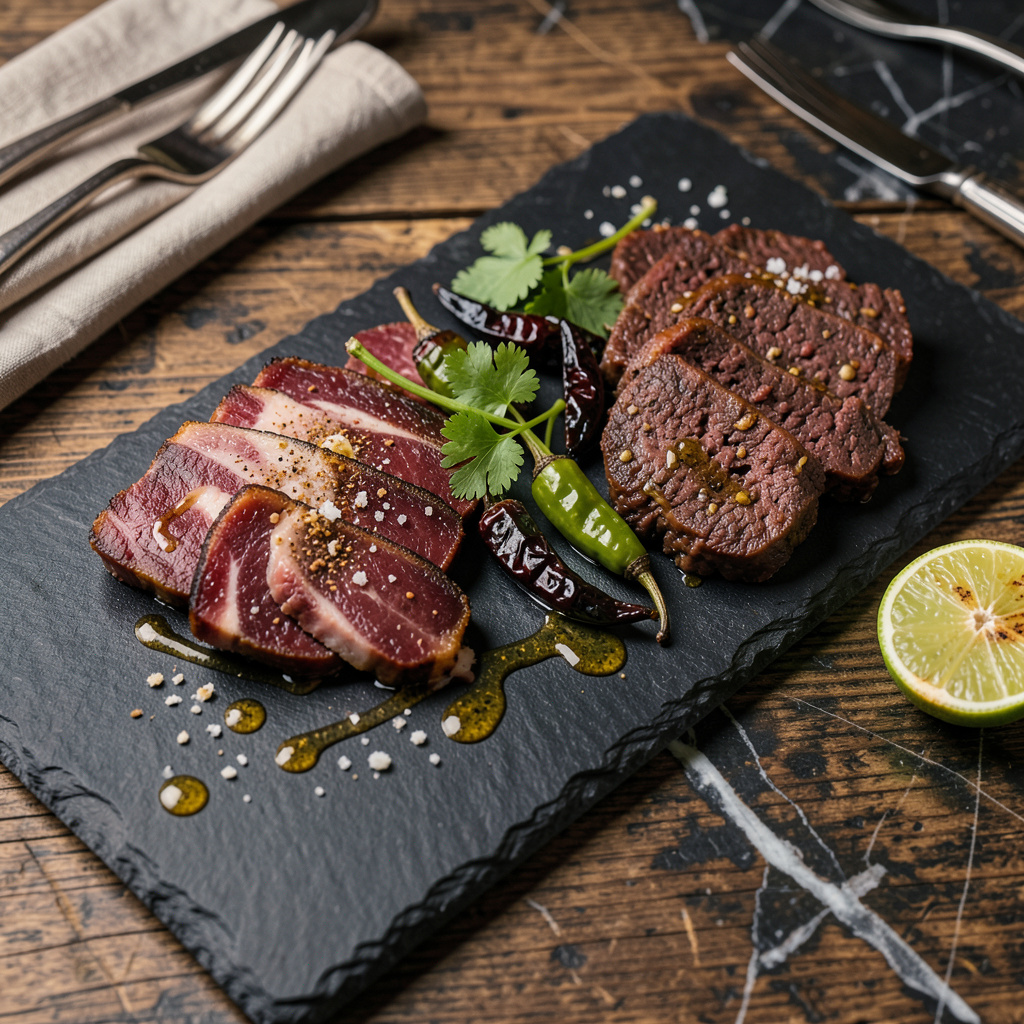
I’ve spent years working with both pork and beef chorizo in my kitchen, and let me tell you—they might share a name, but they bring completely different magic to your cooking. Growing up in Georgia where pork ruled every family gathering, I developed a deep appreciation for how these two sausages transform dishes in their own ways. One brings rich, fatty depth while the other delivers bold, crumbly intensity.
Pork chorizo, with its higher fat content and Spanish roots, melts beautifully into paellas and stews, creating a velvety texture that carries spices through every bite. The Mexican beef version, leaner and more assertive, crumbles perfectly into tacos or breakfast skillets where you want that punchy, slightly acidic kick. I’ve seen both elevate simple weeknight meals into something extraordinary with just a few ounces.
The real game-changer comes when you understand their cooking behaviors. Pork chorizo renders down into a flavorful oil that becomes part of your dish, while beef chorizo holds its shape better for textural contrast. After working with 2,000 pounds of pork weekly at my restaurant, I can confidently say: choosing between them isn’t about which is better, but which fits your dish’s soul.
Whether you’re building a smoky Spanish rice or spicy breakfast hash, the right chorizo makes all the difference. Let me show you exactly how to harness each one’s strengths in your cooking.
If you’re a fan of bold, smoky flavors with a touch of spice, pork chorizo is likely your go-to choice! 🍖🔥 This traditional Mexican sausage is made from ground pork blended with a vibrant mix of spices like paprika, garlic, cumin, and chili powder, giving it that signature deep red hue and rich, zesty kick. Unlike its Spanish counterpart (which is often cured), Mexican pork chorizo is typically sold fresh, making it incredibly versatile for cooking.
One of the biggest perks? Pork chorizo packs a punch of flavor without needing extra seasoning. Its high-fat content (around 30-40%) means it stays juicy and tender when cooked, releasing a fragrant, savory oil that’s perfect for:
- Sizzling in breakfast tacos with eggs and cheese 🥘
- Adding depth to chilis, stews, or beans (try it in charro beans!)
- Crumbled over nachos, quesadillas, or loaded fries for a spicy twist
- Mixing into burgers or meatballs for an extra layer of complexity
Pro tip: 💡 Since pork chorizo is sold raw, it must be cooked thoroughly (internal temp of 160°F). Remove it from its casing before browning it in a pan—this helps achieve that perfect crispy texture while infusing your dish with its irresistible aroma. Just be mindful of the sodium content if you’re watching your intake!
If you’re looking for a bold, hearty twist on traditional chorizo, beef chorizo 🍖🔥 is your go-to! Made with ground beef instead of pork, this version delivers a richer, deeper flavor profile with a slightly coarser texture. It’s a fantastic alternative for those who avoid pork or simply want to explore a different taste experience.
One of the biggest perks of beef chorizo is its versatility. It holds up beautifully in:
- Breakfast dishes – think chorizo and egg tacos or a spicy breakfast hash,
- Grilled favorites – perfect for burgers, kebabs, or stuffed peppers,
- Hearty stews and chilis – where its robust flavor can shine alongside beans and tomatoes.
Nutrition-wise, beef chorizo often packs more protein and iron than its pork counterpart, making it a great choice for those looking to boost their intake. Plus, it’s typically leaner (depending on the fat ratio), which can be a bonus if you’re mindful of calories. 💪📊 Just keep an eye on the sodium—like most chorizos, it can be on the saltier side!
Pro tip: 💡 Beef chorizo works amazingly in fusion dishes—try it in a Korean-Mexican bowl with rice, kimchi, and a fried egg for a flavor explosion!
Key Differences
🍖 Meat Base & Texture
Let’s start with the obvious: pork chorizo is made from—you guessed it—pork, while beef chorizo swaps in beef (often ground chuck or brisket). This swap isn’t just about dietary preferences; it changes the game entirely. Pork chorizo tends to have a softer, almost melt-in-your-mouth texture thanks to its higher fat content (hello, juicy tacos! 🥘). Beef chorizo, on the other hand, holds its shape better and offers a firmer, slightly chewier bite—ideal for grilling or crumbling over nachos.
🔥 Flavor Profile
Flavor is where things get spicy! Both chorizos pack a punch with garlic, vinegar, and smoky spices like paprika and cumin, but pork chorizo leans richer and slightly sweeter, with a depth that comes from pork fat. Beef chorizo? It’s bolder and earthier, with a more pronounced umami kick—think of it as the chorizo equivalent of a dry-aged steak. Pro tip: 💡 If you love heat, beef chorizo often brings more chili-driven spice to the party, while pork chorizo balances heat with a touch of tang.
📊 Nutrition & Fat Content
Calorie-conscious cooks, take note! Pork chorizo typically has more fat (and thus more calories) per ounce—great for flavor, less great for waistlines. 💪 Beef chorizo is leaner by nature, but don’t assume it’s “healthier”: it often compensates with extra salt or preservatives. Here’s a quick breakdown per 1-oz serving (cooked):
| Pork Chorizo | Beef Chorizo | |
|---|---|---|
| Calories | ~150-170 | ~130-150 |
| Fat (g) | 12-14g | 9-11g |
| Protein (g) | 7-9g | 8-10g |
Winner for protein? Beef. Winner for indulgence? Pork, hands down.
👨🍳 Cooking Versatility
Both chorizos shine in different dishes! Pork chorizo’s high fat render makes it a dream for sauces, stews, or scrambled eggs—it practically dissolves into flavor. Beef chorizo’s sturdier texture? Perfect for stuffing peppers, topping burgers, or sizzling on the grill without turning to mush. 🍳 Fun fact: In Mexico, pork chorizo dominates breakfast plates, while beef chorizo is a BBQ star in regions like northern Mexico and Texas.
⏰ Shelf Life & Storage
Good news: Both last 3-5 days refrigerated or 2-3 months frozen. But here’s the twist: Pork chorizo’s higher fat content means it can turn rancid faster if not stored airtight. Beef chorizo, being leaner, holds up slightly better in the fridge. For either, freeze in portions to avoid waste—trust us, your future taco night will thank you! ✨
When to Choose Which
Wondering which chorizo will steal the show in your next meal? 🍖🔥 Here’s your quick guide to picking the perfect match!
👨🍳 When to Use Pork Chorizo
- Breakfast dishes: Its rich, slightly sweet fat makes it ideal for huevos rancheros or breakfast burritos. 🍳
- Traditional Mexican recipes: Think tacos al pastor, queso fundido, or chilaquiles—pork’s bold flavor shines here!
- Quick-cooking meals: Crumbles fast for soups, stews, or even a 10-minute pasta upgrade. ⏰
- Flavor-packed fillings: Stuff it into empanadas or tamales for that authentic, juicy kick.
🥘 When to Use Beef Chorizo
- Health-conscious swaps: Leaner but still robust—great for stuffed peppers or lettuce wraps. 🥗
- Grilled or smoked dishes: Holds up better on the grill (hello, chorizo burgers or kebabs!). 🔥
- Hearty stews & braises: Its firmer texture works well in fabada or Spanish-style beans.
- Dairy pairings: Less grease means it’s perfect with melted cheese (try it in a chorizo mac and cheese!). 🧀
💡 Pro tip: For mixed dishes (like paella or stuffed mushrooms), test both—pork adds moisture, while beef brings a deeper, spicier bite! ✨
So, which chorizo wins the flavor battle? It all comes down to your taste and dish! 🌯 Pork chorizo brings bold, smoky richness perfect for tacos, eggs, or stews, while beef chorizo offers a leaner, slightly sweeter kick that shines in grilled dishes or stuffings. If you love deep, fatty flavors, go pork. Prefer a lighter but still spicy bite? Beef’s your pick!
Don’t forget to check the regional style—Mexican vs. Spanish—since that changes the game too. Now, grab a skillet and let the sizzling begin! 🔥