
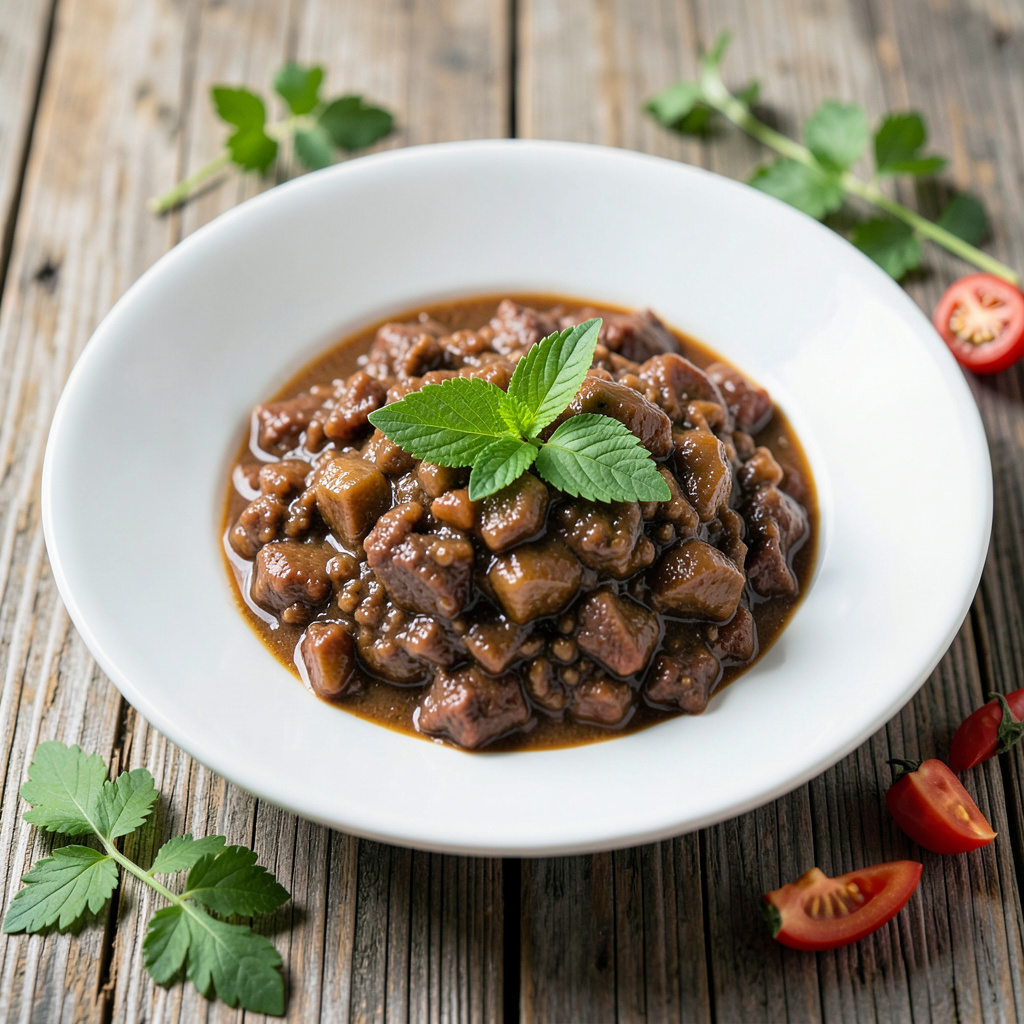
There’s something special about a rich pork ragu that simmers for hours, filling your home with the comforting aromas of slow-cooked meat and herbs. I developed this recipe during my time at The Smoky Pig, where we perfected the art of transforming tougher pork cuts into tender, fall-apart masterpieces.
The secret to this hearty ragu lies in the slow cooking process, which breaks down the pork shoulder into tender chunks that melt in your mouth. By browning the meat in batches and deglazing the pot, we capture every last bit of flavor, creating a rich, velvety sauce that’s perfect for coating pappardelle or rigatoni.
To achieve the perfect ragu, cook the pork at 300°F for 3 hours, allowing it to become tender and infused with the aromatic vegetables and herbs. This comforting dish is sure to become a family favorite, especially on chilly evenings when a warm, satisfying meal is just what you need.
Serve this pork ragu over your favorite pasta, topped with freshly grated Parmesan and a sprinkle of parsley for a truly satisfying meal that’s sure to impress. With its rich flavors and tender texture, it’s a perfect representation of Italian comfort food at its best.
Ingredients for Pork Ragu
Hearty ingredients come together in this comforting Italian dish that’s perfect for chilly evenings.
| Ingredient | Amount | Notes |
|---|---|---|
| Pork Shoulder 🥩 | 2 ½ lb | Boneless, cut into 2-inch chunks |
| Olive Oil 🫒 | ¼ cup | Extra-virgin for richness |
| Onion 🧅 | 1 whole | Yellow or sweet, diced |
| Carrots 🥕 | 2 whole | Peeled, roughly chopped |
| Celery Stalks 🥕 | 2 pieces | Chopped, including leaves |
| Garlic Cloves 🧄 | 4 cloves | Peeled, minced |
| Tomato Paste 🍅 | 2 tbsp | Concentrated, in tube or can |
| Red Wine 🍷 | 1 cup | Dry red, such as Cabernet |
| Beef Broth 🍜 | 2 cups | Low-sodium, or homemade stock |
| Dried Thyme 🌿 | 1 tsp | Or 1 tbsp fresh thyme |
| Bay Leaves 🌿 | 2 whole | Dried, or 1 tsp ground |
| Salt 🧂 | 1 tsp | Kosher or sea salt |
| Black Pepper 🌶️ | ½ tsp | Freshly ground preferred |
| Parmesan Cheese Rind 🧀 | 1 piece | Optional, for added depth |
[recipeingredientscaler]
Pork shoulder is key here. Look for boneless cuts at your local butcher or Costco. The slow cooking process transforms the tougher meat into tender chunks. If you can’t find pork shoulder, you can substitute with beef chuck roast (though it changes the flavor profile slightly).
No red wine? Use beef broth with a splash of balsamic as a substitute. Fresh thyme is ideal, but dried works at one-third the amount. If using tomato paste from a can, store leftovers in an airtight container in the freezer for up to 6 months.
This ragu reheats beautifully and tastes even better the next day. Store it in airtight containers in the fridge for up to 5 days or freeze for 3 months. When reheating, add a splash of broth if the sauce has thickened too much.
❤️
Why You’ll Love Pork Ragu
- Hands-Off Cooking: I love that I can just throw the pork shoulder, onion, carrots, and celery stalks into a pot with some olive oil and let it simmer away – it’s basically a set-it-and-forget-it situation.
- Rich Flavor Payoff: The slow-cooked pork shoulder is ridiculously tender and develops this deep, unctuous flavor that just coats your pasta perfectly. Honestly, the aroma that fills my kitchen while it’s cooking is intoxicating.
- Meal Prep Magic: This pork ragu recipe is my secret weapon for busy weeks – I make a big batch on Sunday and use it for lunches and dinners throughout the week. It’s just as delicious served over pasta one night as it is stuffed into a sub roll the next.
- Leftover Luxury: Between us, the leftovers are actually even better the next day – the flavors have had time to meld together and it’s like a whole new dish. Plus, it’s a great way to stretch my grocery budget since I can get two meals out of one pot.
Step-by-Step Instructions for Pork Ragu
Follow my proven method to create this rich, comforting Italian classic that’s sure to become a family favorite.
Step 1: Brown the Pork Shoulder for Maximum Flavor
Heat the 0.25 cup olive oil in a large Dutch oven over medium-high heat. Add the 2.5 lb pork shoulder chunks in batches, being careful not to overcrowd the pan. I like to brown them on all sides until they develop a deep golden crust – this takes about 5-7 minutes per batch. The browning process creates that incredible depth of flavor that makes this ragu so comforting.
As you brown each batch, transfer the pork to a plate and set it aside. Don’t worry if the pan gets dark – those browned bits are pure flavor. If the pan gets too dry between batches, add a splash more of the olive oil to prevent sticking.
Step 2: Soften the Vegetables and Build the Base
Reduce the heat to medium and add the 1 whole onion, 2 whole carrots, and 2 pieces celery stalks to the same pot. Cook for 8-10 minutes, stirring occasionally, until the vegetables are softened and lightly browned. You’ll know they’re ready when they start to caramelize and stick slightly to the pan – that’s where the magic happens.
Add the 4 cloves garlic cloves and cook for another 1-2 minutes until fragrant. Be careful not to let the garlic burn – it can go from perfect to bitter in seconds. Stir constantly during this minute to distribute the garlic evenly.
Step 3: Deglaze and Simmer to Perfection
Add the 2 tbsp tomato paste to the pot and stir to combine with the vegetables. Cook for 2-3 minutes, stirring frequently, until the paste darkens in color and develops a rich aroma. This step intensifies the tomato flavor and adds complexity to the sauce.
Pour in the 1 cup red wine, scraping up all the browned bits from the bottom of the pan with a wooden spoon. Bring the mixture to a simmer and cook until the wine has reduced by half, about 5 minutes. Then add the 2 cups beef broth, 1 tsp dried thyme, 2 whole bay leaves, 1 tsp salt, and 0.5 tsp black pepper. Return the browned pork to the pot and bring everything to a gentle simmer.
Step 4: Slow Cook to Tender Perfection
Cover the pot and transfer it to a preheated oven at 300°F. Let the ragu cook for 2 ½ to 3 hours until the pork is tender enough to fall apart easily. The long, slow cooking process breaks down the connective tissues in the meat, creating that melt-in-your-mouth texture that makes this dish so comforting.
If using the 1 piece parmesan cheese rind, add it to the pot during the last hour of cooking. The rind adds a rich, savory depth to the sauce that’s hard to replicate with other ingredients. Remove the pot from the oven and let it cool slightly before serving.
Step 5: Finish and Serve
Remove the bay leaves and parmesan cheese rind (if used) from the pot. Use two forks to shred the pork into bite-sized pieces and stir it back into the sauce. The ragu should be thick and rich, coating the pasta beautifully. If it’s too thin, simmer it on the stovetop for 10-15 minutes to reduce it to your desired consistency.
Serve the ragu over your favorite pasta, topped with grated parmesan cheese and fresh parsley if desired. The first bite will transport you to Italy – the tender pork, rich sauce, and perfectly cooked pasta create a comfort food experience like no other.
👨🍳
Pro Tips for Making Pork Ragu
- Brown the Pork: Get a good sear on the pork shoulder before braising – it adds depth to the ragu. I learned this the hard way—skipping this step results in a bland sauce.
- Chop Vegetables Uniformly: Make sure your onion, carrots, and celery stalks are chopped to roughly the same size so they cook evenly. This isn’t the prettiest method, but it’s the tastiest.
- Don’t Rush Browning: Take your time browning the vegetables in olive oil – it’s crucial for developing that rich flavor. Resist the urge to stir too often, and let them get a nice caramelized crust.
- Use Low Heat: After adding the pork back into the pot, keep the heat low and let it simmer slowly. This slow cooking makes the pork tender and the sauce rich.
Flavor Customization for Pork Ragu
Spicy Southern Twist
To give your pork ragu a Spicy Southern twist, add 1-2 tsp hot sauce during the last hour of cooking. I prefer using a vinegar-based sauce like Frank’s RedHot as it adds depth without overwhelming the other flavors. This variation is perfect for those who like a little heat in their comfort food. 🔥
Mushroom Richness
For an earthy flavor boost, sauté 1 cup sliced mushrooms (such as cremini or shiitake) with the onions and celery. The mushrooms add a meaty texture and rich umami flavor that complements the pork beautifully. I like to use a mix of button and cremini mushrooms for added depth.
Herb Garden Freshness
To brighten up the ragu, stir in some fresh herbs towards the end of cooking. 1/4 cup chopped fresh parsley or 2 tbsp chopped fresh basil can make a big difference. The freshness cuts through the richness of the pork and creates a more balanced flavor profile. I often add a sprinkle of parsley just before serving for an extra burst of freshness.
Wine-Free Variation
If you prefer not to use red wine, you can substitute it with beef broth or a combination of beef broth and balsamic vinegar. This will still give you a rich and flavorful sauce. The key is to maintain the liquid level and ensure the pork cooks slowly to achieve that tender texture.
Smoky Depth
To add a smoky dimension to your ragu, incorporate 1-2 tbsp smoked paprika when you add the tomato paste. This gives the dish a subtle smokiness that pairs well with the pork. For an even deeper smoky flavor, you can add 2 tbsp liquid smoke during the last hour of cooking.
Cheesy Enhancement
For an extra rich and creamy ragu, stir in 1/4 cup grated Parmesan cheese or 2 tbsp heavy cream just before serving. The cheese adds a salty, umami flavor that enhances the overall taste. I like to serve the ragu with an extra sprinkle of Parmesan on top for added richness.
Tips & Tricks for Perfect Pork Ragu
A few key techniques can elevate this dish from good to unforgettable, and I’m excited to share them with you.
Browning Technique: In Step 1, when browning the pork shoulder, don’t rush it – those 5-7 minutes per batch create the foundation of flavor. Make sure to pat the meat dry before browning to get that perfect crust. I learned this the hard way after wasting several batches to steaming instead of browning.
Vegetable Preparation: For the best flavor in Step 2, chop your onion, carrots, and celery into uniform pieces so they cook evenly during those 8-10 minutes. This creates a consistent base for your ragu. Between us, I’ve found that a food processor with the pulse function works wonders for getting everything just right without turning it into mush.
Wine Reduction: When reducing the red wine in Step 3, keep the heat medium and stir occasionally. You want it to reduce by half in about 5 minutes – this concentrates the flavors beautifully. Don’t be tempted to crank up the heat; you’ll end up with a sauce that’s more bitter than rich.
Slow Cooking: The long, slow cook at 300°F is crucial. Let it cook for the full 2 ½ to 3 hours to achieve that tender, fall-apart texture. If you’re short on time, you can reduce the cooking time slightly, but the texture won’t be as tender. Trust me, it’s worth the wait!
Nutrition Facts
540kcal
Frequently Asked Questions
Can I make pork ragu ahead of time?
Yes, pork ragu is a great make-ahead dish! It actually tastes better the next day as the flavors meld together. You can prepare it up to 3 days in advance and store it in the refrigerator. Simply reheat it gently on the stovetop or in the microwave before serving.
What’s the best type of pasta to serve with pork ragu?
Pork ragu pairs beautifully with hearty pasta shapes like pappardelle, rigatoni, or penne. These shapes hold onto the rich sauce perfectly, ensuring a satisfying bite every time. You can also use other robust shapes like farfalle or cavatappi.
Can I freeze leftover pork ragu?
Absolutely! Pork ragu freezes exceptionally well. Let it cool completely, then transfer it to airtight containers or freezer bags. It will keep in the freezer for up to 3 months. When you’re ready to eat it, thaw it overnight in the refrigerator and reheat it gently on the stovetop.
How can I make my pork ragu thicker?
If your ragu is too thin, you can simmer it uncovered on the stovetop for 10-15 minutes to reduce the sauce. Alternatively, you can mash some of the cooked pork against the side of the pot to release its juices and thicken the sauce naturally.