
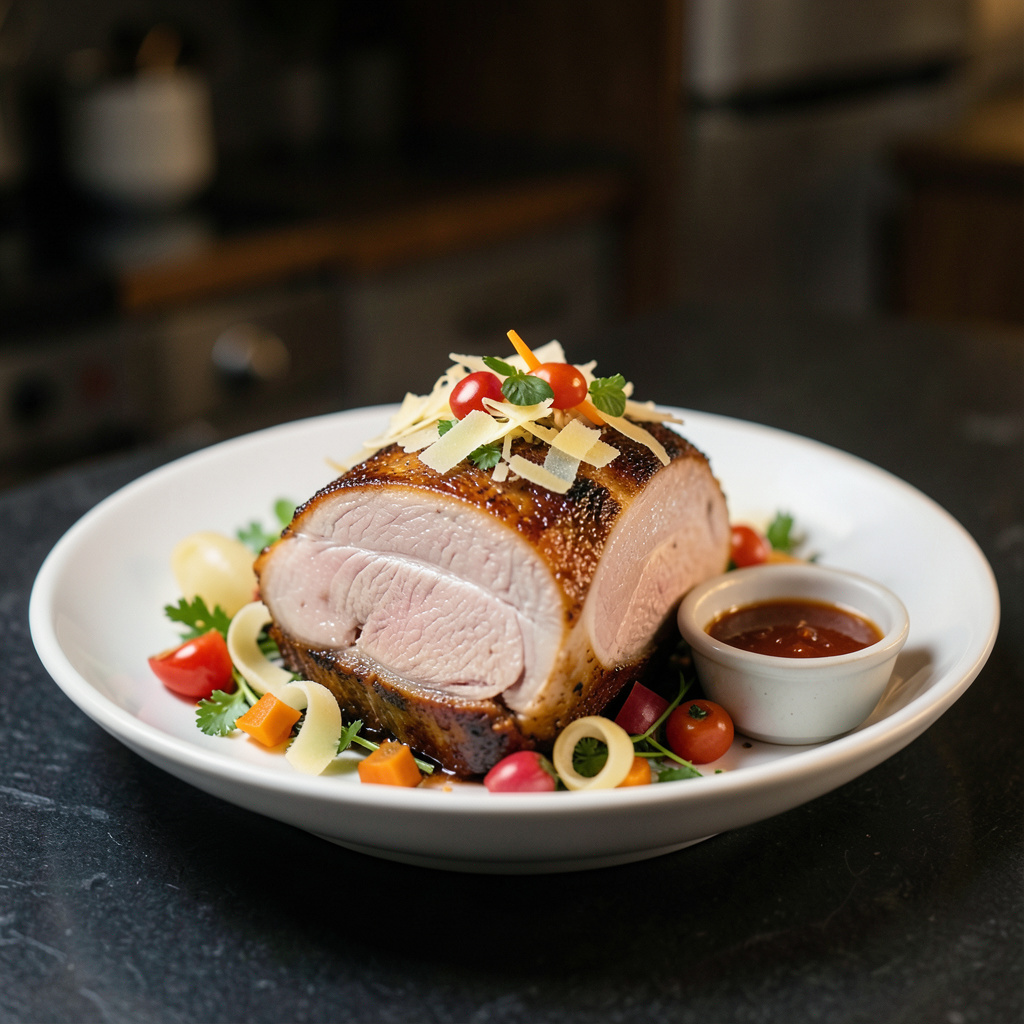
I’ve spent years perfecting my pork shoulder roasting technique, and I’m excited to share it with you. This recipe delivers fall-apart tender meat that’s sure to become a family favorite.
The secret lies in the low-and-slow cooking method, which breaks down the connective tissues and results in moist, flavorful pork. I recommend using a 2-3 pound boneless pork shoulder for the best results.
To achieve perfectly roasted pork, preheat your oven to 300°F. Season the shoulder with your favorite spices and roast for about 6 hours, or until it reaches an internal temperature of 190°F.
Serve with classic Southern sides like mashed potatoes, collard greens, or cornbread for a comforting meal that’s sure to please. This recipe is perfect for special occasions or holiday gatherings.
Ingredients for Pork Shoulder Roast
Simple ingredients come together to create this fall-apart tender pork shoulder roast recipe.
| Ingredient | Amount | Notes |
|---|---|---|
| Boneless Pork Shoulder 🥩 | 2 ½ lb | Look for good marbling for tenderness |
| Olive Oil 🫒 | ¼ cup | For rubbing the meat |
| Brown Sugar 🍮 | 2 tbsp | Adds depth to the crust |
| Smoked Paprika 🌶️ | 1 tbsp | For smoky flavor |
| Garlic Cloves 🧄 | 4 cloves | Minced for flavor |
| Onion Powder 🧅 | 1 tsp | Adds savory depth |
| Salt 🧂 | 1 tbsp | Kosher salt preferred |
| Black Pepper 🌶️ | 2 tsp | Freshly ground preferred |
| Dried Thyme 🌿 | 1 tsp | Rubbed between fingers |
| Apple Cider Vinegar 🍎 | ¼ cup | For moisture and tang |
| Chicken Broth 🍜 | 1 cup | Low-sodium preferred |
The pork shoulder matters here. Chuck end gives you that fall-apart texture—sirloin end stays too firm. Most grocery stores have it pre-tied or netted, which saves time. I usually grab mine from Costco when I’m doing a big batch, but the regular supermarket stuff works fine for a weeknight dinner.
No smoked paprika? Regular paprika with liquid smoke gets you close. Fresh thyme is ideal but dried works at one-third the amount. If apple cider vinegar feels like overkill, white wine vinegar is a decent substitute. The garlic can be eyeballed, but measure the salt.
This reheats beautifully—honestly tastes better the next day once everything melds. Keeps 4-5 days in the fridge, freezes for 3 months. I portion mine into containers so lunches are sorted for the week.
Why You’ll Love Pork Shoulder Roast
- Minimal Prep Required: Honestly, this pork shoulder roast is unfussy – just rub the boneless pork shoulder with olive oil, sprinkle some brown sugar and smoked paprika, and you’re good to go. I can throw it in the oven while I’m getting other things done around the house.
- Ridiculously Good Flavor: The combination of smoked paprika, brown sugar, and garlic cloves creates this crazy-delicious crust on the pork shoulder. That crispy edge with the creamy center? It’s my new favorite comfort food.
- Feeds the Crew: This recipe makes a big batch, which is perfect for my family gatherings. I’ll be real: it’s a lifesaver when I’ve got a crowd to feed, and I can use the leftovers for lunches all week.
- Leftover Heaven: Between us, the leftovers from this pork shoulder roast are basically the best part – I’ve used them for sandwiches, salads, and even just snacking straight from the fridge. It’s one of those recipes that gets better with time, and it’s a great way to stretch my grocery budget.
Step-by-Step Instructions for Pork Shoulder Roast
Here’s the method that delivers fall-apart tender perfection every single time.
Step 1: Prepare the Spice Rub
In a small bowl, combine the 2 tbsp Brown Sugar, 1 tbsp Smoked Paprika, 1 tsp Onion Powder, 1 tbsp Salt, 2 tsp Black Pepper, and 1 tsp Dried Thyme. I like to mix these ingredients thoroughly with my fingers to ensure they’re evenly distributed. The aroma of the spices will tell you when they’re well combined—you should smell that wonderful smoky paprika mingling with the thyme.
Rub the spice mixture between your fingers to release the oils and intensify the flavors. This step is crucial as it helps to create a complex flavor profile that will enhance the pork shoulder.
Step 2: Season the Pork Shoulder
Take the 2.5 lb Boneless Pork Shoulder and generously apply the prepared spice rub all over the meat, making sure to coat it evenly. I like to press the spices into the meat to ensure they stick. Let the pork shoulder sit at room temperature for 30 minutes to allow the seasonings to penetrate the meat.
While the pork is resting, preheat your oven to 300°F. This low temperature is key to achieving that fall-apart tender texture we’re after. The slow cooking process breaks down the connective tissues in the meat, making it incredibly tender.
Step 3: Sear the Pork Shoulder
Heat the 0.25 cup Olive Oil in a large Dutch oven over medium-high heat. Once the oil is shimmering, add the pork shoulder and sear it on all sides until it’s nicely browned. This should take about 5 minutes per side. The browning creates a rich, caramelized crust that adds depth to the dish.
Remove the pork shoulder from the pot and set it aside. The browned bits left in the pot will add flavor to the cooking liquid. Now it’s time to add the aromatics.
Step 4: Cook the Pork Shoulder
Add the 4 cloves Garlic Cloves (minced) to the same pot and cook for 1 minute until fragrant. Be careful not to burn the garlic, as it can quickly become bitter. Pour in the 0.25 cup Apple Cider Vinegar and 1 cup Chicken Broth, scraping up any browned bits from the bottom of the pot. Return the pork shoulder to the pot, cover it with a lid, and transfer it to the preheated oven.
Roast the pork shoulder in the oven for 6-8 hours or until it’s tender and easily shreds with a fork. The long cooking time may seem daunting, but trust me, it’s worth it. The result is a perfectly tender and flavorful roast.
Step 5: Rest and Serve
Once the pork shoulder is cooked, remove it from the pot and let it rest for 15-20 minutes before slicing. This resting period allows the juices to redistribute throughout the meat, ensuring that every bite is moist and flavorful. Strain the cooking liquid and skim off any excess fat. Serve the pork shoulder with the rich, flavorful sauce spooned over the top.
The final result should be a beautifully tender pork shoulder with a deliciously caramelized crust. Each bite should be infused with the deep, smoky flavors from the spice rub and the rich cooking liquid. Serve with your favorite sides and enjoy the perfect comfort meal.
Pro Tips for Making Pork Shoulder Roast
- Sear Before Roasting: Get a hot pan—seriously, almost smoking—before adding your pork shoulder. This initial blast of heat creates a crust that locks in all the juices.
- Don’t Overcrowd Pan: When searing the pork shoulder, make sure it’s the only thing in the pan. Overcrowding steams the meat instead of browning it, and that’s when you end up with a bland, soggy exterior.
- Use Enough Garlic: Don’t be shy with the garlic cloves; I use at least four cloves, minced and rubbed all over the meat. The sweetness of the brown sugar pairs perfectly with the pungency of garlic, so it’s worth being generous.
- Low and Slow: After searing, roast the pork shoulder at a low temperature—around 275°F. This slow cooking breaks down the connective tissues, making the meat tender and easily shreddable.
Wine and Beer Pairings for This Recipe
Wine Pairing Essentials
When it comes to pairing wine with pork shoulder, you want something that can stand up to the rich, unctuous flavors. I find that a full-bodied red wine works beautifully, as it complements the deep flavors of the pork. Some of my favorite options include Syrah/Shiraz and Malbec. 🍷
Syrah/Shiraz Recommendations
Syrah/Shiraz is a fantastic match for pork shoulder due to its dark fruit flavors and spicy undertones. Look for wines from regions like the Rhone Valley or Australia’s Barossa Valley. These wines typically have a robust structure that pairs well with the tender, slow-cooked pork. For a more affordable option, consider a Penfolds Bin 28 or a Chapoutier Les Bécasses.
Malbec Pairings
Malbec is another excellent choice, offering plum and blackberry flavors that complement the pork’s richness. Wines from Mendoza, Argentina, are particularly good, with their intense fruit flavors and smooth tannins. Try a Catena Malbec for a well-balanced pairing that won’t break the bank.
Beer Pairing Options
If you prefer beer, a stout or porter can be an excellent match for pork shoulder. The roasted flavors in these beers complement the caramelized crust on the pork, while their bitterness cuts through the richness. For a lighter option, a brown ale or amber ale can also work well, offering a malty sweetness that pairs nicely with the pork. 🍺
Craft Beer Considerations
For craft beer enthusiasts, consider a barrel-aged beer like a bourbon barrel-aged stout. These beers have complex flavors that can stand up to the bold flavors of the pork shoulder. Alternatively, a hoppy IPA can provide a nice contrast, with its bitterness balancing the richness of the meat. Just be sure to choose an IPA with a malt backbone to support the pairing.
Final Tips
Ultimately, the best pairing will depend on your personal preferences and the specific flavors in your pork shoulder roast. Don’t be afraid to experiment with different wines and beers to find your perfect match. And remember, the most important thing is to enjoy your meal with the company you’re sharing it with!
Tips & Tricks for Perfect Pork Shoulder Roast
A few key techniques make all the difference in achieving that fall-apart tender perfection.
The Importance of Low Heat: Cooking the pork shoulder at 300°F is crucial for breaking down the connective tissues and achieving that tender texture. I’ve found that this low temperature ensures the meat cooks slowly and evenly, resulting in a perfectly tender roast.
Searing for Flavor: Searing the pork shoulder on all sides before slow cooking creates a rich, caramelized crust that adds depth to the dish. Make sure to heat the 0.25 cup Olive Oil until it’s shimmering, then sear the pork for about 5 minutes per side. This step is worth the extra few minutes, as it enhances the overall flavor.
Resting is Key: After cooking, let the pork shoulder rest for 15-20 minutes before slicing. This resting period allows the juices to redistribute throughout the meat, ensuring that every bite is moist and flavorful. Trust me, it’s worth the wait!
Straining the Cooking Liquid: Once you’ve removed the pork shoulder from the pot, strain the cooking liquid and skim off any excess fat. This step helps to create a rich, flavorful sauce that’s perfect for serving alongside the tender pork. I like to serve it spooned over the top for maximum flavor.
Nutrition Facts
Frequently Asked Questions
What’s the best size pork shoulder to use for this recipe?
A 2-3 pound boneless pork shoulder works best for this recipe, as it cooks evenly and stays moist. Larger shoulders can be used, but adjust cooking time accordingly.
Can I use a bone-in pork shoulder instead?
Yes, you can use a bone-in pork shoulder. Keep in mind that it may require additional cooking time, typically 1-2 hours more. The bone adds flavor, but makes it harder to check for doneness.
How do I know when the pork shoulder is done?
The pork shoulder is done when it reaches an internal temperature of 190°F and easily shreds with a fork. Let it rest for 15-20 minutes before slicing to allow juices to redistribute.
Can I make this recipe in a slow cooker?
Yes, you can adapt this recipe for a slow cooker. Sear the pork shoulder first, then cook on low for 8-10 hours or high for 4-6 hours. The result will be tender and flavorful.