
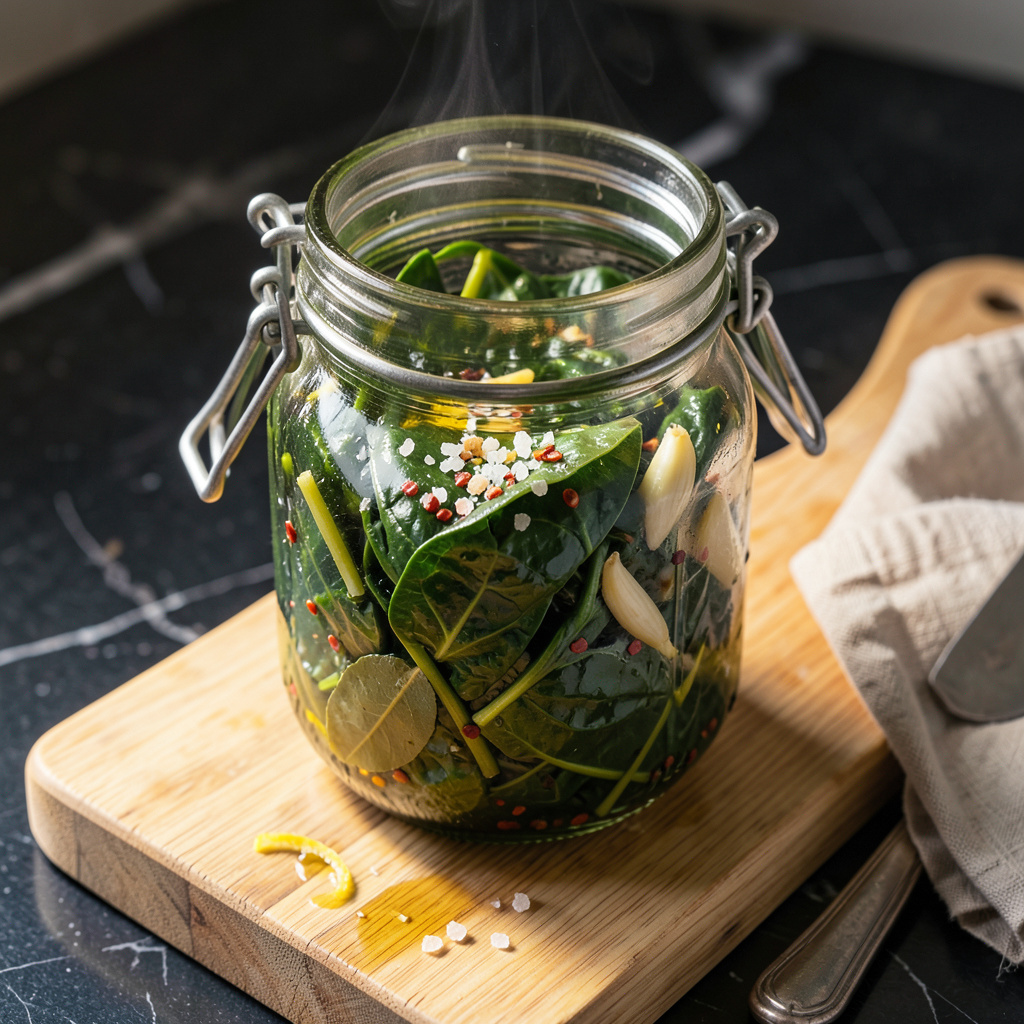
I’ll be real with you—nothing breaks my heart faster than watching fresh spinach turn to slime in the fridge. After years of wasting more greens than I’d like to admit, I finally cracked the code for keeping spinach fresh long after you bring it home. The game-changer? It’s not about fancy equipment or complicated processes.
What works best is a simple two-step method that stops wilting in its tracks. First, proper washing and drying (this is where most people mess up). Then, the right storage technique—whether you’re keeping it fresh for a week or preserving it for months. I’ve tested every method from blanching to vacuum sealing, and I’m sharing only what actually works.
Here’s the thing—preserved spinach isn’t just for salads. Once you master this, you’ll have perfect greens ready for smoothies, soups, or even as a quick sauté side dish. No more last-minute grocery runs when your recipe calls for fresh spinach. The best part? These methods work just as well for kale, chard, or any leafy green.
Whether you’re meal prepping for the week or stocking up for winter, this approach saves money and cuts down on food waste. Let’s get those greens to last longer than a couple days—because nobody should have to throw out perfectly good spinach again.
📚 In This Guide
- What You’ll Need
- Instructions
- Tips and Common Mistakes
What Youll Need
- ● Fresh spinach: 1–2 bunches (or 10–16 oz pre-washed bag) 🌿—pick vibrant, crisp leaves without wilting or yellow spots.
- ● Air-tight containers: 1–2 BPA-free plastic or glass containers (quart-sized or larger) with tight-sealing lids.
- ● Paper towels: 4–6 sheets (unbleached preferred) to absorb excess moisture.
- ○ Plastic wrap or beeswax wraps: 1 roll (optional, for extra seal if storing in bowls).
- ● Zip-top freezer bags: 1–2 gallon-sized (if freezing spinach).
- ○ Vacuum sealer + bags: (optional, for long-term freezer storage).
- ● Sharp knife & cutting board: For trimming stems (if using fresh bunches).
- ○ Salad spinner: (optional but highly recommended for washing loose leaves).
- ● Permanent marker: For labeling containers with dates. ⏳
- ○ Ice water bath: (optional, for blanching before freezing—requires a large bowl + ice).
Step-by-Step Instructions for Preserving Spinach
These simple techniques will keep your spinach fresh and vibrant for days longer than you thought possible!
Select and Prepare the Freshest Spinach
Start by choosing the freshest spinach you can find—look for leaves that are bright green with no yellowing or wilting. I always give the bunch a quick sniff too; it should smell clean and slightly earthy, never musty or sour.
When you get home, don’t just toss it in the fridge! First, sort through the leaves and discard any that are bruised or slimy. Then give them a gentle rinse under cool water to remove dirt. Here’s the thing—spinach holds onto water, so you’ll need to dry it thoroughly to prevent sogginess later.
I like to use a salad spinner for this, but you can also spread the leaves on clean kitchen towels and pat them dry. The key is removing as much moisture as possible—this is your first defense against premature wilting and spoilage.
Use the Right Storage Container
Forget the plastic bags the spinach came in! Transfer your dry spinach to an airtight container lined with paper towels. The paper towels absorb any lingering moisture, while the airtight container prevents oxygen from breaking down the leaves too quickly.
I’ve found that glass containers work better than plastic for this—they maintain more consistent temperature and humidity. Fill the container about two-thirds full to allow for air circulation. Don’t pack the leaves tightly, or they’ll crush each other and speed up decay.
Before sealing, place another paper towel on top of the spinach. This double-layer protection makes a huge difference in maintaining freshness. You’ll be amazed at how much longer your spinach stays perky and vibrant with this simple trick!
Store at Optimal Temperature and Humidity
Place your container in the crisper drawer of your refrigerator, which maintains higher humidity than the main compartment. Set the humidity control to high if your fridge has this feature—spinach thrives in moist (but not wet) conditions.
The ideal temperature for storing spinach is between 32-40°F. Most refrigerators are slightly warmer than this, so I recommend placing the container toward the back of the drawer where it’s coldest. Avoid storing near the fridge door, where temperature fluctuates with opening and closing.
Check your spinach every couple of days. If you notice condensation forming inside the container, replace the paper towels. This simple maintenance can extend your spinach’s life by several days, keeping it fresh and ready for salads, smoothies, or cooking.
Revive Wilted Spinach When Needed
Even with perfect storage, sometimes spinach starts to wilt before you use it all. Don’t throw it out! You can often revive it with an ice water bath. Fill a large bowl with cold water and ice cubes, then submerge the wilted leaves for 5-10 minutes.
The cold shock rehydrates the cells and restores crispness. After the bath, gently pat the leaves dry with paper towels. This works best with spinach that’s just starting to wilt—not with leaves that have turned slimy or yellow.
For spinach that’s too far gone for salads, don’t waste it! Wilted spinach is perfect for cooked dishes like soups, omelets, or sautéed sides. Just trim off any truly bad spots and use the rest—it’ll still deliver great flavor and nutrition.
Freeze for Long-Term Preservation
If you won’t use your spinach within a week, freezing is your best option for long-term preservation. First, blanch the leaves by dropping them into boiling water for 30 seconds, then immediately plunging them into ice water to stop the cooking process.
Drain the blanched spinach well, then squeeze out as much water as possible. I like to form it into small balls or spread it in a thin layer on a baking sheet to freeze initially. Once frozen solid (after about 2 hours), transfer to freezer bags.
Frozen spinach will keep for up to 6 months. While the texture changes (making it unsuitable for salads), it works perfectly in cooked dishes. The blanching step preserves the bright green color and locks in nutrients, so you’ll still get that fresh spinach flavor when you cook with it later!
Tips and Common Mistakes for Preserving Spinach
These simple tricks will help you get the most out of your spinach, keeping it fresher longer than you ever thought possible.
Drying Technique: I can’t stress enough how important it is to remove every bit of moisture from your spinach before storage. In Step 1, after washing the leaves, don’t just shake off the water—use a salad spinner or pat them completely dry with paper towels. Any lingering moisture will create a damp environment that speeds up spoilage. I learned this the hard way after losing several bunches to premature wilting!
Container Choice: When following Step 2, opt for glass containers over plastic if possible. Glass maintains more consistent temperature and humidity levels, which is crucial for delicate leafy greens. The two-thirds full rule is important too—overpacking crushes the leaves and reduces air circulation, leading to faster decay. That extra space makes a bigger difference than you’d think!
Temperature Control: The 32-40°F range mentioned in Step 3 is ideal for preserving spinach. Most refrigerators run slightly warmer, so place your container toward the back of the crisper drawer where it’s coldest. I’ve found that checking for condensation every couple of days and replacing damp paper towels can extend freshness by up to a week!
Revival Timing: For Step 4, when reviving wilted spinach with an ice water bath, stick to the 5-10 minute range. Less time won’t fully rehydrate the leaves, while more time can make them waterlogged. The cold shock works best on leaves that are just starting to wilt—once they turn slimy, it’s too late for revival but perfect for cooking!
Pro Tips for Preserving Spinach
- These simple tricks will help you get the most out of your spinach, keeping it fresher longer than you ever thought p…
- Drying Technique: I can’t stress enough how important it is to remove every bit of moisture from your spinach before …
- Container Choice: When following Step 2, opt for glass containers over plastic if possible. Glass maintains more cons…
Frequently Asked Questions
How long does preserved spinach last in the fridge?
Fresh spinach lasts 5–7 days when stored properly in an airtight container with a paper towel to absorb moisture. Blanched and frozen spinach keeps for 10–12 months—just label bags with dates! For pre-washed spinach, check the “use-by” date but aim to eat it within 3–5 days of opening.
Can I freeze spinach without blanching first?
You can, but expect a softer texture (great for smoothies or cooked dishes!). For best results, blanch for 90 seconds to lock in color and nutrients. Skip blanching if short on time—just wash, dry, chop, and freeze in portions. Use unblanched frozen spinach within 3–4 months.
What’s the best way to revive wilted spinach?
Soak wilted leaves in ice water for 15–20 minutes—they’ll crisp up like magic! For extra limp spinach, trim stems and submerge in cold water with a splash of lemon juice. Avoid refrigerating wet spinach; pat dry first to prevent sogginess.
Are there good alternatives to plastic bags for storing spinach?
Use:
- Reusable silicone bags (wash and reuse!)
- Beeswax wraps (fold tightly around dry leaves)
- Glass containers with a paper towel to absorb moisture
- Cloth produce bags (best for short-term fridge storage)
Pro tip: Avoid air exposure—it speeds up wilting!
Why does my frozen spinach turn mushy when thawed?
Spinach’s high water content (91%!) makes it soften when frozen. To minimize mush:
- Blanch before freezing (critical for texture).
- Freeze in single layers first, then transfer to bags.
- Use frozen spinach directly in cooked dishes (no thawing needed for soups/stir-fries!).
Preserving spinach doesn’t have to be complicated—with the right techniques, you can keep it fresh for weeks instead of days! 🌱 Whether you choose blanching, freezing, or simple fridge storage, a little effort goes a long way in reducing waste and saving money. Now that you’re equipped with these tricks, pick your favorite method and give it a try today. Your future meals (and your wallet) will thank you! Ready to level up? Experiment with preserving other greens like kale or Swiss chard next—your kitchen skills just got a fresh upgrade! 💚