
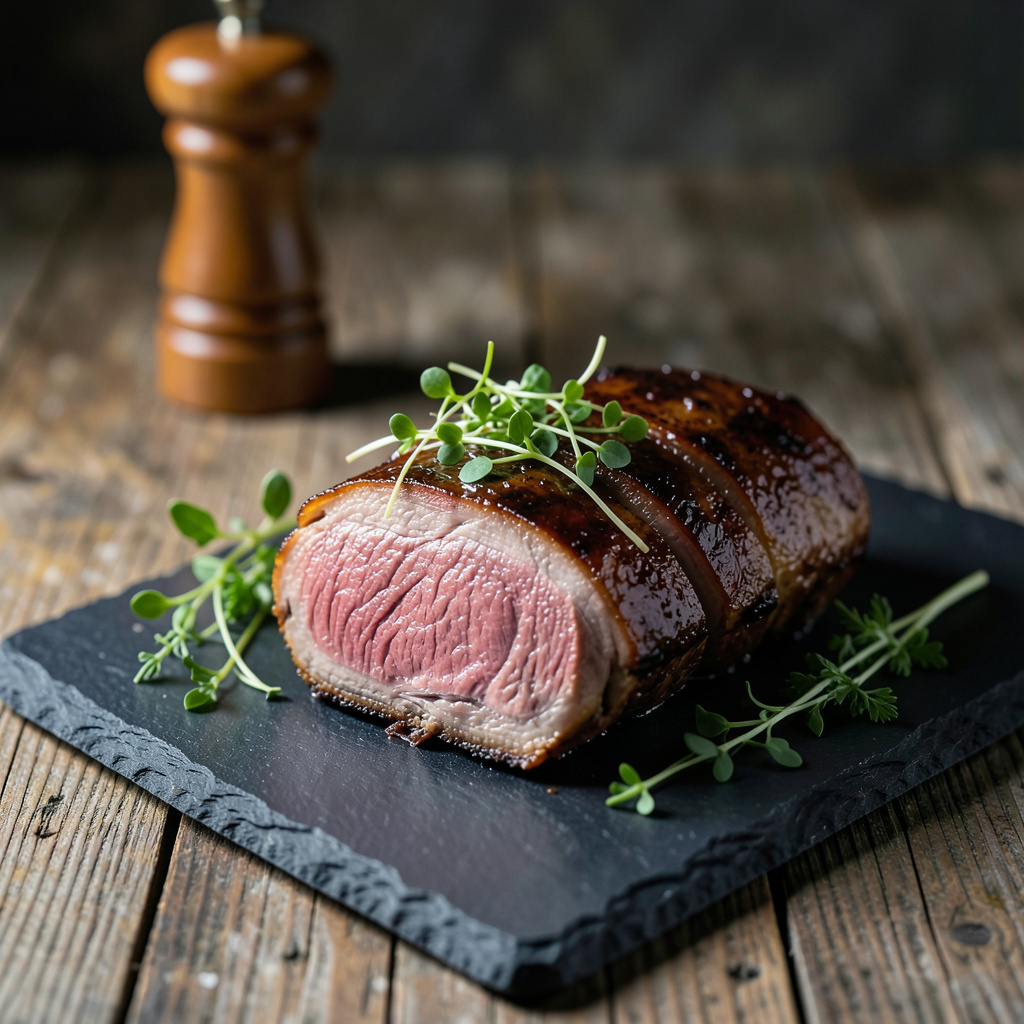
Puerto Rican pork tenderloin is a Caribbean delight that brings the warmth of island cuisine to your table. I’ve perfected this recipe through years of experimenting with traditional flavors and techniques.
The secret to achieving tender and moist pork lies in the marinade, which combines the brightness of citrus with the depth of spices. This Puerto Rican-inspired blend transforms the pork tenderloin into a flavor sensation that’s both familiar and excitingly new.
Cooking this dish is straightforward: simply marinate the pork for at least 2 hours, then sear it in a hot skillet before finishing it in the oven at 400°F. The result is a beautifully browned exterior giving way to juicy, flavorful meat inside.
Serve with your favorite Caribbean-inspired sides, such as coconut rice and roasted sweet plantains, to create a meal that’s both satisfying and full of vibrant flavor. This recipe is perfect for anyone looking to bring a taste of the islands into their home cooking.
Ingredients for Puerto Rican Pork Tenderloin
Gather these Caribbean-inspired ingredients for a moist and flavorful pork tenderloin.
| Ingredient | Amount | Notes |
|---|---|---|
| Pork Tenderloin 🥩 | 1 lb | Trimmed of excess fat |
| Orange Juice 🍊 | ½ cup | Freshly squeezed |
| Lime Juice 🍋 | ¼ cup | Freshly squeezed |
| Garlic Cloves 🧄 | 4 cloves | Minced |
| Cumin 🌿 | 2 tbsp | Ground |
| Coriander 🌿 | 1 tbsp | Ground |
| Oregano 🌿 | 1 tsp | Dried |
| Salt 🧂 | 1 tsp | Kosher salt |
| Black Pepper 🌶️ | ½ tsp | Freshly ground |
| Olive Oil 🫒 | ¼ cup | For searing |
| Fresh Cilantro 🌿 | ¼ cup | Chopped, for garnish |
For the best flavor, use freshly squeezed orange and lime juice. I prefer organic citrus when available. The garlic can be adjusted to taste, but don’t skip it—the depth it adds is crucial. For spices, Penzeys offers excellent quality cumin and coriander.
No fresh cilantro? Flat-leaf parsley makes a good substitute. For a spicier kick, add a pinch of red pepper flakes. If you can’t find kosher salt, regular salt works too—just use less. The pork tenderloin is forgiving, but try to keep the marinade time between 2-4 hours for best results.
This dish keeps well in the fridge for up to 3 days. Reheat gently in the oven at 325°F to maintain moisture. Leftovers make great sandwiches or salads. The marinade can be made ahead and stored in the fridge for 1 week.
❤️
Why You’ll Love puerto rican pork tenderloin
- Quick Prep: I love that this Puerto Rican pork tenderloin recipe comes together so quickly – just mix the marinade ingredients like orange juice, lime juice, and cumin, toss in the pork, and you’re good to go.
- Flavor Bomb: The combination of citrusy orange and lime juice with the warmth of cumin and garlic is ridiculously good – that first bite always makes my weeknight dinner feel like a special occasion.
- Meal Prep Magic: Honestly, this recipe is a total lifesaver for meal prep – I make a big batch on Sunday and have delicious leftovers for lunches all week, and it’s still just as tasty on Wednesday as it was on Monday.
- Budget Friendly: Using pork tenderloin keeps this dish affordable without sacrificing flavor – plus, it’s a great way to feed a crowd without breaking the bank, which is exactly what I need when I’m hosting family gatherings.
Step-by-Step Instructions for Puerto Rican Pork Tenderloin
Let’s bring the flavors of the Caribbean to your table with this moist and tender pork tenderloin.
Step 1: Prepare the Marinade
In a blender or food processor, combine the 0.5 cup Orange Juice, 0.25 cup Lime Juice, 4 cloves Garlic Cloves, 2 tbsp Cumin, 1 tbsp Coriander, 1 tsp Oregano, 1 tsp Salt, and 0.5 tsp Black Pepper. Blend until smooth and well combined. I like to taste the marinade at this point and adjust the seasoning if needed.
The marinade should have a nice balance of citrus and spices. If it’s too thick, you can add a splash more of the Orange Juice or Lime Juice to thin it out.
Step 2: Marinate the Pork Tenderloin
Place the 1 lb Pork Tenderloin in a large zip-top plastic bag or a non-reactive container. Pour the marinade over the pork, turning to coat evenly. Seal the bag or cover the container, and refrigerate for at least 2 hours or overnight. I find that marinating for 4-6 hours really allows the flavors to penetrate the meat.
Every few hours, I like to turn the pork over in the marinade to ensure even flavor distribution. If you’re short on time, you can skip this step, but it’s worth the extra effort for more complex flavor.
Step 3: Sear and Roast the Pork
Preheat your oven to 400°F. Remove the pork from the marinade, letting any excess liquid drip off. Heat the 0.25 cup Olive Oil in a large oven-safe skillet over high heat. Sear the pork on all sides until browned, about 2-3 minutes per side. This step creates a nice crust on the pork.
Transfer the skillet to the preheated oven and roast the pork until it reaches an internal temperature of 145°F, about 15-20 minutes. Use a meat thermometer to check for doneness. I like to check the temperature in multiple places to ensure even cooking.
Step 4: Rest and Slice the Pork
Once the pork is cooked, remove it from the oven and let it rest for 5-10 minutes before slicing. This allows the juices to redistribute, making the pork even more tender and moist. Slice the pork into 1-inch thick medallions and garnish with the 0.25 cup Fresh Cilantro.
I like to serve the pork with additional citrus wedges on the side, as the bright acidity complements the rich flavor of the pork beautifully. The dish should be full of vibrant Caribbean flavors, with the cumin and coriander adding a warm, earthy depth to the citrusy marinade.
👨🍳
Pro Tips for Making puerto rican pork tenderloin
- Sear Before Roasting: Get a hot skillet—seriously, hot—and sear the pork tenderloin on all sides before roasting. This creates a flavorful crust that complements the citrusy marinade.
- Don’t Overmarinate: Resist the urge to marinate the pork tenderloin for too long; 2-3 hours is plenty. Overmarinating can make the meat mushy, especially with the acidity from the orange and lime juice.
- Use Fresh Cumin: Make sure you’re using fresh, high-quality cumin for the best flavor. I learned this the hard way—old cumin can give your dish a bitter taste that overpowers the other ingredients.
- Rest the Meat: After roasting, give the pork tenderloin a solid 5-10 minutes to rest under foil before slicing. This allows the juices to redistribute, making the meat more tender and juicy.
Common Mistakes When Making Great puerto rican pork tenderloin
Overcooking the Tenderloin
One of the most common mistakes when cooking pork tenderloin is overcooking it, which results in dry, tough meat. To avoid this, use a meat thermometer to check for doneness. Remove the pork from the oven when it reaches an internal temperature of 145°F. Letting it rest for 5-10 minutes before slicing helps retain juices.
Insufficient Marinating Time
Not allowing enough time for the marinade to penetrate the meat can result in less flavorful pork. I recommend marinating for at least 2 hours, but 4-6 hours is ideal for maximum flavor. If you’re short on time, you can massage the marinade into the meat to help it absorb more quickly.
Skipping the Searing Step
Failing to properly sear the pork tenderloin can result in a lackluster crust. Heat your skillet to high heat and add 2-3 tablespoons of oil before searing. Cook for 2-3 minutes per side until you get a nice brown crust. This step adds texture and flavor to the dish.
Not Letting the Pork Rest
Cutting into the pork tenderloin too soon can cause the juices to spill out, leaving the meat dry. After cooking, let the pork rest for 5-10 minutes before slicing. This allows the juices to redistribute, making the pork more tender and moist. 🔥
Using the Wrong Cut of Meat
Using a pork loin instead of a tenderloin can affect cooking times and results. Pork tenderloin is leaner and cooks more quickly than pork loin.
Not Monitoring Temperature
Not monitoring the oven temperature can lead to uneven cooking. Use an oven thermometer to ensure your oven is at the correct temperature. This helps prevent overcooking and ensures the pork cooks evenly. I always double-check my oven temperature to avoid any surprises.
Tips & Tricks for Perfect Puerto Rican Pork Tenderloin
A few key techniques will elevate your Puerto Rican pork tenderloin from good to exceptional. I’ve learned that the details make all the difference in achieving that perfect balance of flavors and tender texture.
Marinade Mastery: The marinating time is crucial for flavor penetration. I recommend marinating for the full 4-6 hours if possible, as it allows the citrus and spices to deeply infuse the meat. If you’re short on time, the minimum 2 hours will still yield great results, but don’t skip it entirely – the difference is noticeable.
Temperature Control: Use a meat thermometer to ensure the pork reaches the perfect 145°F internal temperature. I like to check multiple spots to confirm even cooking. Remember that the pork will continue to cook slightly during the resting period, so pull it from the oven when it’s just shy of the target temperature.
Searing Secrets: For a beautiful crust, make sure your skillet is scorching hot before adding the pork. The 2-3 minutes per side sear at high heat creates that wonderful caramelized exterior. Don’t move the pork until it’s properly browned – it should release easily from the pan.
Resting is Key: Letting the pork rest for 5-10 minutes before slicing is essential. This resting period allows the juices to redistribute throughout the meat, resulting in a more tender and moist final product. Trust me, the wait is worth it!
Nutrition Facts
260kcal
Frequently Asked Questions
Can I use pork loin instead of tenderloin for this recipe?
No, pork loin and tenderloin are different cuts with varying cooking times. Pork tenderloin is leaner and cooks more quickly than pork loin. For this recipe, use pork tenderloin for best results.
How long can I store leftovers?
You can store leftover Puerto Rican pork tenderloin in an airtight container in the refrigerator for up to 3 days. Reheat gently in the oven at 325°F to maintain moisture. Leftovers make great sandwiches or salads.
Can I make the marinade ahead of time?
Yes, you can prepare the marinade in advance. Store it in the refrigerator for up to 1 week. This allows the flavors to meld together, enhancing the overall taste of the dish.
What’s the best way to ensure the pork is cooked properly?
Use a meat thermometer to check for doneness. The pork is cooked when it reaches an internal temperature of 145°F. Let it rest for 5-10 minutes before slicing to retain juices.