Mornings just got easier with this 5-minute egg hack that’s saved my bacon (literally) more times than I can count. Between you and me, I’ve burned through dozens of rushed breakfasts trying to find the fastest way to get protein on the table without sacrificing taste. This isn’t just quick—it’s foolproof for those days when you’re running late but refuse to skip breakfast.
The secret? Three no-fail methods that all clock in under 5 minutes. We’re talking microwave eggs that actually taste good, stovetop scrambled eggs with the perfect creamy texture, and a fried egg technique that delivers crispy edges in record time. No fancy equipment, no complicated steps—just real food, fast. I’ve tested these during my most chaotic mornings at the restaurant, and they’ve never let me down.
What you’ll get is better than drive-thru: eggs that are tender, flavorful, and ready before your coffee finishes brewing. The microwave method is my personal go-to when I’m really pressed for time, but the stovetop options give you that classic diner-style result without the wait. Each technique has been timed down to the second so you know exactly what to expect.
Perfect for busy professionals, parents getting kids out the door, or anyone who values their sleep but still wants a decent breakfast. Let’s crack this egg code wide open—your future self will thank you at 7:45 AM when you’re walking out the door with a full stomach instead of an empty coffee cup.
📚 In This Guide
- What You’ll Need
- Instructions
- Tips and Common Mistakes
What Youll Need
- ● Eggs: 1–2 large, fresh eggs per serving (cold or room temp works! 🥚).
- ● Cooking fat: 1 tsp butter, olive oil, or nonstick spray (pick your favorite!).
- ● Salt & pepper: A pinch of each (or get fancy with garlic powder, paprika, or chili flakes 🌶️).
- ● Pan: 1 small (6–8″) nonstick skillet or well-seasoned cast iron—critical for easy flipping!
- ● Spatula: 1 thin, flexible fish spatula or silicon turner (no scratched eggs here!).
- ● Stovetop: Gas, electric, or induction—just ensure medium-high heat (no slowpokes! ⏰).
- ● 1 tbsp milk/cream (for fluffier scrambled eggs).
- ● 1 slice cheese (cheddar, feta, or goat cheese—melty goodness! 🧀).
- ● Fresh herbs (chives, parsley, or cilantro for a pop of color).
- ● 1 splash of hot sauce or sriracha (spice lovers, unite!).
- ● Toaster + bread (because eggs + toast = breakfast royalty 👑).
Instructions
Here’s how to make perfect eggs in record time—no fancy techniques, just fast results.
Choose Your Fastest Cooking Method
For truly speedy eggs, you’ve got two winning options: microwave scrambled or stovetop fried. I always go for microwave scrambled when I’m racing against the clock—it’s ready in under 2 minutes with zero cleanup. If you prefer texture, a hot nonstick skillet with a little butter gets you perfect fried eggs in 3 minutes flat.
The key is having everything ready before you start. Crack your eggs into a microwave-safe bowl or directly into your preheated pan. Add a splash of milk or water to scrambled eggs—this keeps them tender during the rapid cooking process. For fried eggs, have your spatula and salt ready at the stove.
Cook with Maximum Heat Efficiency
For microwave scrambled eggs: Whisk your eggs with 1 tablespoon of milk and a pinch of salt, then microwave on high power for 30-second bursts, stirring vigorously between each. You’ll see the eggs start to set around the edges first—keep stirring to distribute the heat evenly. They’re done when just slightly undercooked in the center (they’ll carryover cook for another 30 seconds after you remove them).
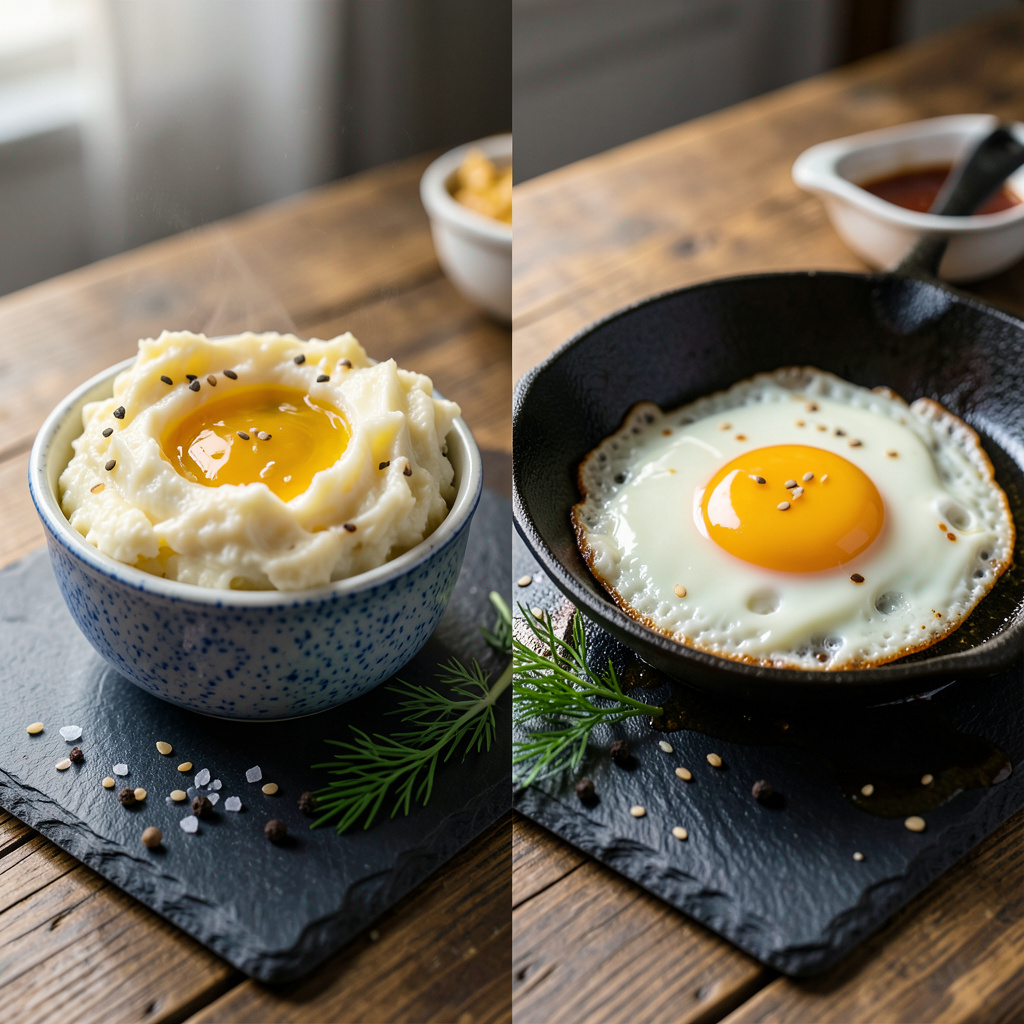
For stovetop fried eggs: Heat your nonstick skillet over medium-high heat until a drop of water sizzles immediately. Add 1 teaspoon of butter and swirl to coat. Pour in your eggs and immediately reduce heat to medium. The whites should set in about 1 minute—cover with a lid for the last 30 seconds if you like your yolks slightly cooked but still runny.
Time Your Add-Ins Perfectly
Here’s where most people slow themselves down. For scrambled eggs, add cheese or herbs during the last 15 seconds of cooking—this gives them just enough heat to melt or release their flavors without overcooking the eggs. I like to sprinkle shredded cheddar right after the final stir, then let residual heat do the work while I toast my bread.
For fried eggs, sprinkle salt on the whites as soon as they hit the pan, but wait to season the yolks until after cooking—salt can break down the yolk membrane prematurely. If you’re adding hot sauce or fresh herbs, do it the moment the eggs hit your plate. This timing ensures all elements stay at their peak without any component getting cold or soggy.
Plate and Serve Without Delay
Speed matters most at this final stage. Slide your eggs directly from pan to plate—no unnecessary transfers. For scrambled eggs, they’ll continue cooking from residual heat, so serve them the moment they look just slightly underdone. I like to serve them on warm toast that’s been buttered while the eggs cooked, so everything stays hot.
Fried eggs benefit from a quick pat with a paper towel if you’ve used extra butter, then immediately onto your waiting plate. The yolk should still jiggle slightly when you serve it—that’s how you know it’s perfectly timed. Remember, eggs cool quickly, so have your fork ready. The entire process from cracking to eating should take no more than 5 minutes total.
Clean As You Go (The 1-Minute Rule)
While your eggs cook, fill your sink with hot soapy water. The moment you plate your eggs, drop your used bowl or pan into the water. By the time you finish eating, the stuck-on bits will have loosened, making cleanup take less than 1 minute. I keep a small trash bowl on the counter for eggshells and paper towels—this eliminates the back-and-forth to the trash can that eats up precious seconds.
For microwave eggs, simply wipe the bowl with a damp paper towel immediately after eating—the proteins won’t have time to harden. This system keeps your kitchen clean without adding time to your morning routine. The fastest meal is only truly fast if cleanup is just as quick.
Tips and Common Mistakes
When you’re racing against the clock, these small details make the difference between good eggs and perfect eggs in record time.
Microwave Mastery: Those 30-second bursts in Step 2 are crucial—don’t be tempted to do one long minute. Stirring between each burst prevents rubbery spots and ensures even cooking. I learned this the hard way after my first attempt turned into a solid egg puck. The eggs should look just slightly underdone when you remove them; they’ll finish cooking from residual heat during that final 30 seconds of carryover time.
Pan Temperature Secret: In Step 2, when heating your skillet to medium-high heat, don’t rush this part. A properly heated pan means your fried eggs will set perfectly in that 1 minute window. Test with a water droplet—it should sizzle and evaporate immediately. If it just sits there, your pan isn’t hot enough yet and your whites will spread too thin.
Add-In Timing: The 15 seconds mentioned in Step 3 for adding cheese or herbs isn’t arbitrary. This is when the eggs are hot enough to melt cheese but not so cooked that they’ll turn dry. I like to have my cheese grated and herbs chopped before I even start cooking, so I can sprinkle them in at exactly the right moment without fumbling.
Cleanup Hack: That 1-minute cleanup in Step 5 works because of the hot soapy water trick. The key is dropping your pan or bowl into the water immediately after plating—don’t wait until you’re done eating. I keep a small bowl of hot water with a drop of dish soap right next to my cooking area, so I can plunge items in without moving more than a foot.
Pro Tips for Quickest Way To Cook Eggs
- When you’re racing against the clock, these small details make the difference between good eggs and perfect eggs in r…
- Microwave Mastery: Those 30-second bursts in Step 2 are crucial—don’t be tempted to do one long minute. Stirring betw…
- Pan Temperature Secret: In Step 2, when heating your skillet to medium-high heat, don’t rush this part. A properly he…
Frequently Asked Questions
Got questions about whipping up eggs in record time? Here are the answers to the most common ones—so you can crack, cook, and conquer your breakfast like a pro!
How long does it take to cook eggs the fastest way?
The quickest methods (like microwaving scrambled eggs or frying a sunny-side-up egg) take just 1-3 minutes. Microwaving beats stovetop for speed, but a hot, oiled pan can deliver a runny-yolk egg in under 2 minutes. Pro tip: Preheat your pan while prepping to shave off seconds!
Can I cook eggs in the microwave without them exploding?
Yes! Pierce the yolk (for whole eggs) or whisk vigorously (for scrambled) to release steam. Use a microwave-safe bowl, cover loosely with a paper towel, and cook in 20-second bursts, stirring in between. Avoid sealed containers—that’s when things get messy!
What’s the fastest way to cook eggs for a crowd?
Batch-cook scrambled eggs in the microwave (4-5 eggs at a time, 30-45 seconds per batch) or use a sheet pan in a 400°F oven (8-10 minutes for 12+ eggs). For fried eggs, heat multiple pans or use a griddle to cook 4-6 simultaneously. Teamwork makes the dream work!
Why do my quick-cooked eggs turn out rubbery?
Overcooking is the culprit! High heat or too-long microwave times zap moisture. For stovetop eggs, pull them off just before they look done (carryover heat finishes them). For microwaved eggs, stop when they’re slightly underdone—they’ll firm up in 30 seconds. Silky eggs = timing precision!
Are there faster alternatives to cracking eggs one by one?
Absolutely! Pre-crack eggs into a container (like a mason jar) and store in the fridge for up to 3 days. For scrambled eggs, blend whole eggs (shells and all!) in a high-speed blender, then strain—saves cracking time. Or buy liquid egg whites/cartons for zero prep!
When time is tight, the quickest way to cook eggs is all about simplicity—whether it’s a 3-minute scrambled scramble, a 90-second microwave omelet, or a speedy fried egg in under 5 minutes. With just a few tools and the right technique, you can whip up a protein-packed breakfast faster than your coffee brews! 🍳
Ready to master your morning routine? Pick your favorite method, set a timer, and turn that “no time for breakfast” excuse into a delicious, egg-cellent habit. Which recipe will you try first? 😉