
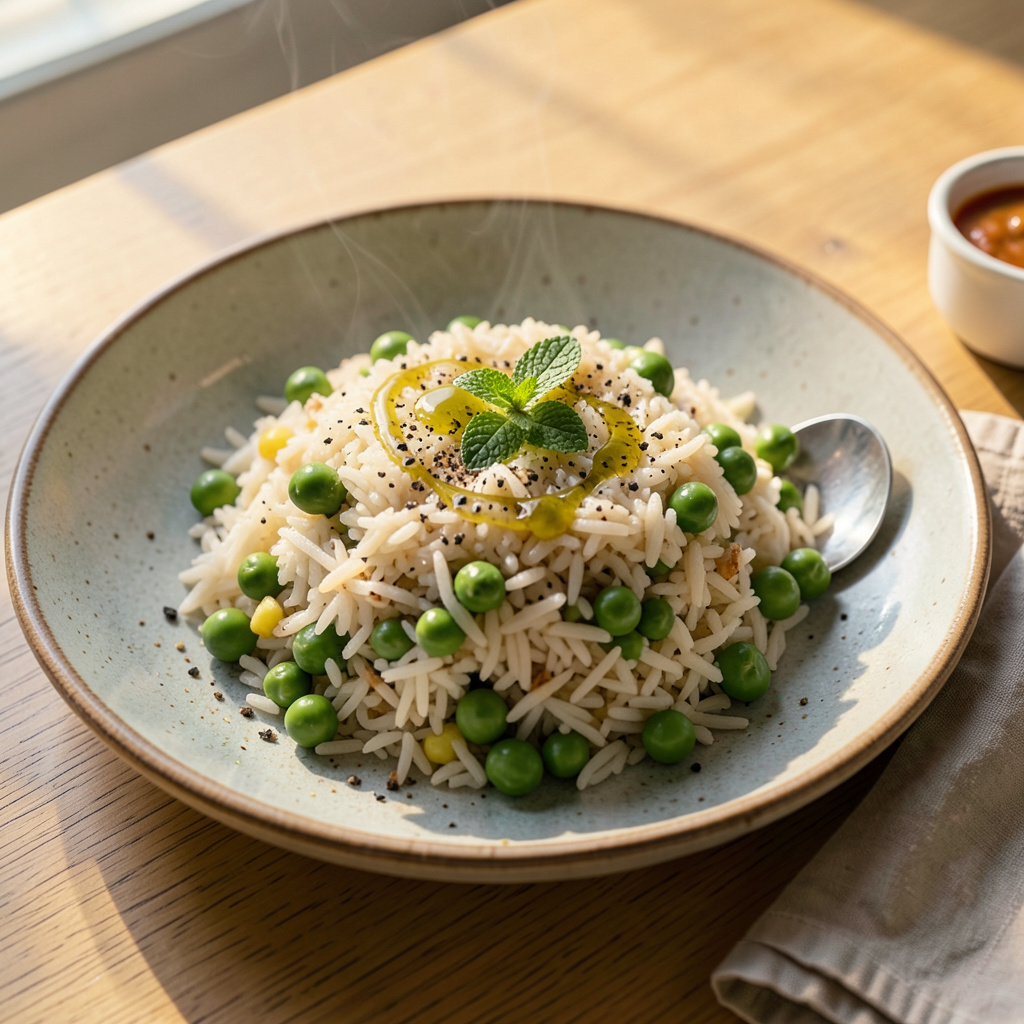
Let me save you from mushy peas in your rice—because timing is everything when adding frozen peas. I’ve burned through more batches of rice than I’d like to admit, all trying to nail that perfect moment when peas stay bright green and just tender enough. The difference between sad, gray peas and vibrant, sweet ones comes down to exactly when you introduce them to the pot.
Here’s the thing—frozen peas need just 3 minutes of cooking time to wake up from their icy sleep. Add them too early, and they turn to mush. Wait too long, and you’re left with cold, hard peas that ruin your fluffy rice. After years of testing (and a few rice disasters), I’ve found the foolproof window that works every time, whether you’re making basic white rice or something more elaborate.
What you’re aiming for is rice that’s perfectly cooked and peas that retain their sweetness and pop of color. The trick is adding the peas during the last 3 minutes of simmering, then letting the rice rest off-heat with the lid on. This gives the peas just enough time to warm through without overcooking, while the steam finishes them gently.
This method works for any rice dish—plain white rice, pilafs, even fried rice. And here’s the bonus: it’s naturally vegan, quick, and adds a boost of color and nutrition without any extra effort. Let’s get that timing right.
📚 In This Guide
- What You’ll Need
- Instructions
- Tips and Common Mistakes
What Youll Need
- ● Rice: 1 cup long-grain white rice (or your preferred variety—adjust water accordingly).
- ● Frozen peas: ½–¾ cup (no need to thaw! 🌱).
- ● Water or broth: 2 cups (for fluffier rice, use low-sodium broth).
- ● Salt: ½ tsp (adjust to taste).
- ○ Butter or oil: 1 tbsp (optional, for extra richness).
- ● Medium pot or rice cooker (with a tight-fitting lid).
- ● Wooden spoon or fork (for fluffing).
- ● Measuring cups/spoons.
- ○ Optional: Fine-mesh strainer (if rinsing rice).
Instructions
Perfect timing makes all the difference when adding peas to rice—here’s exactly how to do it right.
Start Cooking Your Rice Normally
Begin by cooking your rice according to your preferred method, whether that’s on the stovetop, in a rice cooker, or using the absorption method. Use the standard water-to-rice ratio you normally would—typically 2 cups water for every 1 cup of rice.
Bring the water to a boil, then reduce the heat to low and cover the pot. Let the rice simmer gently for about 10 minutes before even thinking about the peas. This gives the rice enough time to absorb most of the water while still leaving room for the peas to cook properly.
Prepare the Frozen Peas
While the rice is cooking, take your frozen peas out of the freezer. There’s no need to thaw them—adding them frozen actually helps prevent them from turning mushy. Measure out about 1 cup of frozen peas for every 2 cups of uncooked rice you started with.
Give them a quick rinse under cold water in a colander. This removes any ice crystals and helps them heat more evenly when added to the rice. Shake off the excess water and set them aside until you’re ready to add them to the pot.
Add the Peas at the Perfect Moment
Here’s the crucial step: when your rice has been cooking for about 10-12 minutes and there’s just a thin layer of water visible on top (not completely absorbed yet), it’s time to add the peas. Gently sprinkle them evenly over the partially cooked rice.
Don’t stir them in immediately—just let them sit on top. Cover the pot again and let everything cook together for the remaining 5-8 minutes. The steam from the rice will perfectly cook the peas without making them soggy or overdone.
Fluff and Finish
When the rice is fully cooked and all the water has been absorbed, remove the pot from heat. Let it sit covered for 2 minutes—this final steaming ensures both the rice and peas are perfectly tender.
Now gently fluff the rice with a fork, lifting from the bottom to mix the peas throughout. You’ll notice they’ve turned bright green and are tender but still have a slight bite. Taste a few peas to confirm they’re cooked to your liking—they should be warm all the way through but not mushy.
Serve Immediately for Best Results
Transfer the rice and peas to a serving bowl right away. The peas will continue to soften slightly as they sit, so serving immediately gives you that perfect texture. If you need to keep it warm, cover the bowl with a clean towel for up to 15 minutes.
Notice how the peas maintain their vibrant color and sweet flavor while blending perfectly with the fluffy rice. This timing method ensures they cook just enough to be tender without losing their fresh taste or turning gray. The rice absorbs just enough of their flavor to be complementary without being overpowering.
Tips and Common Mistakes
Getting the timing just right transforms simple rice and peas into something special. Here’s what I’ve learned from making this countless times in my own kitchen.
The Water Level Test: In Step 3, when you’re checking if it’s time to add the peas, look for that thin layer of water still visible on top of the rice. This is crucial – if you wait until all water is absorbed, your peas won’t steam properly. I like to tilt the pot slightly to see the water level more clearly. The rice should be about two-thirds cooked at this point, with grains still slightly firm in the center.
Pea Preparation Secret: Don’t skip rinsing the frozen peas in Step 2, even though it seems small. This quick rinse removes ice crystals that would otherwise create excess moisture in your rice. I’ve found that unrinsed peas can make the final dish slightly watery and less fluffy. Shake them really well in the colander – you want them to go into the pot as dry as possible.
Steam Distribution Technique: When you add the peas in Step 3, sprinkle them evenly over the entire surface rather than dumping them in one spot. This ensures they cook uniformly in the remaining 5-8 minutes. I also avoid stirring immediately after adding them – letting them sit on top preserves their texture. The steam will perfectly cook them without any stirring needed.
Final Resting Trick: That 2-minute resting time in Step 4 might seem insignificant, but it makes all the difference. The residual heat continues to gently steam both rice and peas, ensuring they’re perfectly tender throughout. I’ve noticed that skipping this step can leave the peas slightly undercooked in the center while the rice might be just a touch too firm.
Pro Tips for When To Add Frozen Peas To Rice
- Getting the timing just right transforms simple rice and peas into something special. Here’s what I’ve learned from m…
- The Water Level Test: In Step 3, when you’re checking if it’s time to add the peas, look for that thin layer of water…
- Pea Preparation Secret: Don’t skip rinsing the frozen peas in Step 2, even though it seems small. This quick rinse re…
Frequently Asked Questions
Can I add frozen peas directly to uncooked rice in a rice cooker?
Yes! Add frozen peas during the last 5–8 minutes of cooking (or when the rice is nearly tender). If using a rice cooker, sprinkle them on top after the water absorbs, then let them steam with the residual heat. Avoid stirring to prevent mushy rice.
What if I forget and add peas too early? Will they turn to mush?
Peas added too soon can get overcooked and lose texture. If this happens, drain excess water (if possible) and reduce the remaining cook time. For best results, stick to the last 5 minutes or add them post-cooking as a mix-in.
Can I use fresh or canned peas instead of frozen? What’s the timing?
Fresh peas need 2–3 minutes (add near the end). Canned peas are pre-cooked—just warm them with the rice for 1–2 minutes or mix in after cooking. Frozen peas are ideal for convenience and consistent texture.
Why do my peas stay hard after cooking?
Hard peas usually mean they didn’t get enough steam. Ensure your lid is tight, and add them with enough liquid (1–2 tbsp extra water helps). If using a pot, avoid lifting the lid—trapped steam is key!
What’s the best rice-to-pea ratio for balanced flavor?
Aim for ½ cup peas per 1 cup uncooked rice. Adjust to taste—up to 1:1 works if you love peas! For fried rice, use fewer peas (¼ cup per 1 cup rice) to avoid a soggy texture.
Timing is everything when adding frozen peas to rice—whether you stir them in early for soft, integrated flavor or toss them at the end for a bright, crisp pop. 🌱 With these simple tips, you’ll nail the perfect texture every time!
Ready to put it into practice? Grab a bag of peas and your favorite rice recipe—your next fluffy, veggie-packed bowl is just minutes away!