
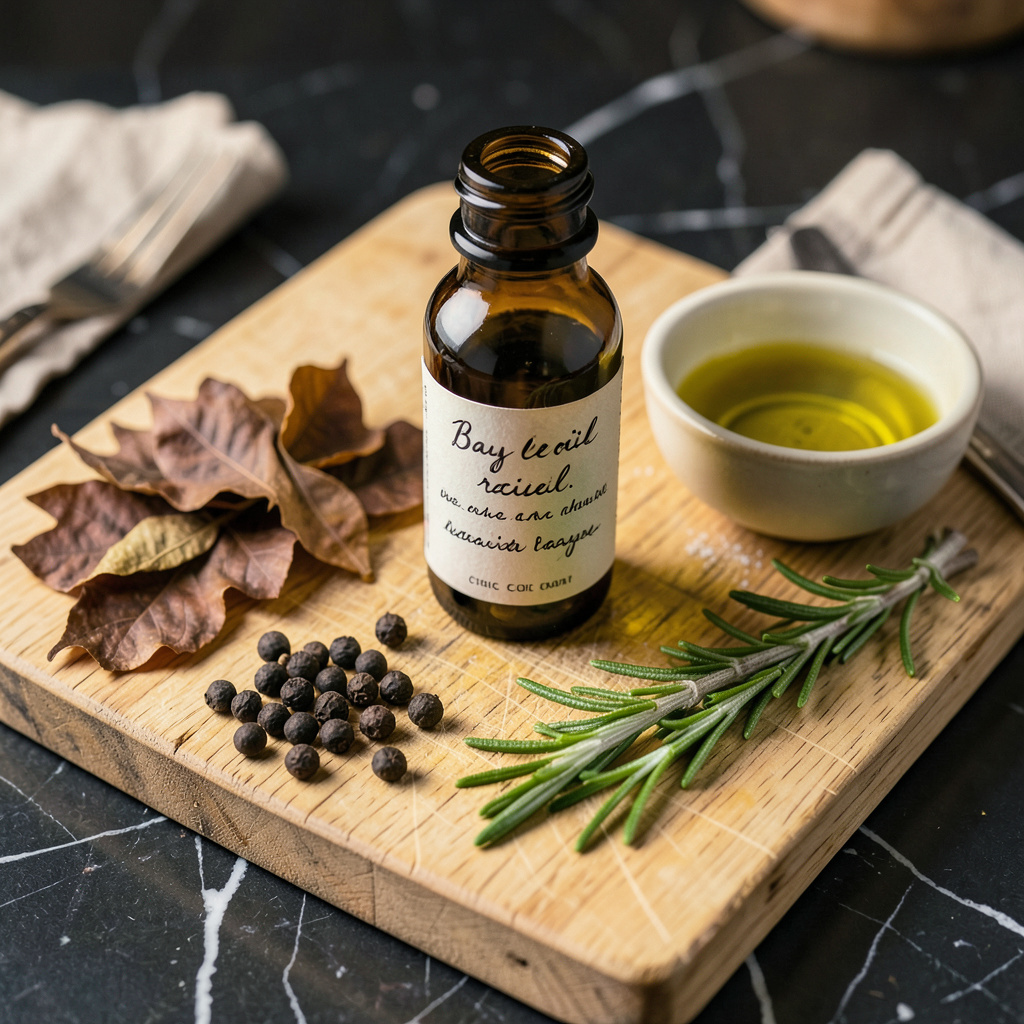
Infusing oil with bay leaves transforms ordinary cooking fat into a fragrant powerhouse that elevates everything it touches. After years of experimenting with herb-infused oils in professional kitchens, I’ve perfected this method for extracting maximum flavor while maintaining shelf stability. The right technique preserves the bay leaf’s subtle eucalyptus and vanilla notes without introducing bitterness.
This process works best with high-quality oils that complement bay leaf’s aromatic profile. I recommend extra virgin olive oil for robust applications or neutral avocado oil when you want the bay flavor to shine. The infusion method—whether cold-steeped or gently heated—determines both intensity and longevity of the final product. Proper technique ensures a clean, vibrant infusion every time.
What you’ll create is a versatile condiment that adds depth to salad dressings, marinades, and finishing oils. The bay leaf’s complex aroma develops over time, making this oil more valuable as it ages. When stored correctly in sterilized containers, it maintains peak quality for up to three months—longer than most homemade infusions.
Beyond its culinary applications, bay leaf oil serves as an excellent base for flavored vinegars or compound butters. The technique mastered here applies to other herb infusions as well, opening possibilities for custom blends. Let’s begin with the precise method for achieving optimal flavor extraction.
Ingredients for Bay Leaf Oil
Seven carefully selected components transform base oils into a professional-grade aromatic infusion with layered complexity.
| Ingredient | Amount | Notes |
|---|---|---|
| Dried Bay Leaves 🌿 | 10 whole | Turkish or California variety preferred |
| Extra-Virgin Olive Oil 🫒 | 2 cups | High-quality, cold-pressed for robust flavor |
| Avocado Oil 🥑 | 2 cups | Neutral, high-smoke-point alternative |
| Fresh Rosemary Sprigs 🌿 | 2 whole | Optional, for complementary aroma |
| Black Peppercorns 🌶️ | 1 tsp | Lightly crushed for subtle heat |
| Citric Acid 🍋 | 0.125 tsp | Preservative for extended shelf life |
| Kosher Salt 🧂 | ½ tsp | Diamond Crystal brand recommended |
The bay leaves are non-negotiable for authentic flavor. Turkish bay leaves offer the most nuanced eucalyptus-vanilla profile, while California bay provides stronger menthol notes. Source from Penzeys or La Boîte for optimal quality. Oil selection determines final character: extra-virgin olive oil yields a robust, peppery base, while avocado oil creates a cleaner canvas for the bay’s aroma. Professional kitchens standardize on California Olive Ranch or Bragg brands for consistency.
For citrus-forward applications, substitute lemon peel strips for 2 bay leaves. Rosemary may be omitted if its piney notes conflict with intended use. The citric acid—available at King Arthur Baking or bulk food stores—extends shelf life without altering flavor. When using pre-crushed peppercorns, reduce quantity by half to prevent over-extraction. Salt should be Diamond Crystal kosher for precise measurement; table salt requires halving the amount.
Sterilized glass bottles are essential for 3-month storage. Dark amber bottles from Specialty Bottle provide optimal UV protection. Refrigeration isn’t required but extends potency to 4-5 months. Always label with infusion date—flavor peaks at 4-6 weeks. For professional applications, decant into smaller bottles to minimize oxygen exposure during use. The oil’s aromatic compounds remain stable at room temperature if protected from light.
Why You’ll Love This Recipe
- No Knives Needed: Honestly, this might be the most low-effort flavor booster in my kitchen. Just toss dried bay leaves, rosemary sprigs, and peppercorns into warm oil—no chopping, no measuring cups, not even a cutting board to wash.
- That Warm, Woody Magic: The first time I drizzled this over roasted potatoes, I understood the hype. The bay leaves release this deep, almost tea-like aroma while the rosemary and cracked peppercorns add just enough brightness to keep it from being one-note.
- My Secret Weeknight Weapon: I keep a jar in the fridge for when I’m too tired to think. Toss it with pasta, brush it on bread before toasting, or stir a spoonful into soups when they taste flat. (Yes, even on a Tuesday night.)
- Stretches Further Than You’d Think: One batch costs pennies—dried bay leaves and oil you already have—but transforms three meals. I’ve used the same jar to sear chicken, dress grains, and even perk up sad takeout leftovers. The flavor just keeps giving.
Step-by-Step Instructions for Bay Leaf Oil
This straightforward infusion process extracts maximum flavor while preserving the oil’s integrity.
Step 1: Prepare the Aromatics and Sterilize Equipment
Begin by lightly crushing the 10 whole dried bay leaves and 1 teaspoon black peppercorns using a mortar and pestle or the flat side of a chef’s knife. This releases essential oils without pulverizing the ingredients. Gently bruise the 2 whole fresh rosemary sprigs by pressing them between your fingers to enhance their aromatic properties.
Thoroughly sterilize a heatproof glass jar and lid by submerging in boiling water for 5 minutes, then allow to air-dry completely. This critical step prevents bacterial contamination and ensures safe long-term storage of your infused oil.
Step 2: Combine and Heat the Infusion
In a heavy-bottomed saucepan, combine the 2 cups extra-virgin olive oil and 2 cups avocado oil over low heat until the mixture reaches 180°F. The precise temperature is crucial—too hot will degrade the oil’s quality, while insufficient heat won’t properly extract flavors.
Add the prepared bay leaves, peppercorns, rosemary, 0.5 teaspoon kosher salt, and 0.125 teaspoon citric acid to the warmed oil. Maintain the temperature at 180°F for exactly 15 minutes, stirring occasionally to ensure even flavor distribution.
Step 3: Cool and Strain the Finished Oil
Remove the saucepan from heat and allow the mixture to cool to room temperature, approximately 2 hours. This gradual cooling period lets the flavors meld completely while preventing cloudiness in the final product.
Line a fine-mesh strainer with cheesecloth and position it over your sterilized jar. Carefully pour the cooled oil through the strainer, allowing it to drip naturally without pressing the solids. Discard the spent aromatics and seal the jar tightly with its sterilized lid.
Pro Tips For Making Bay Leaf Oil
- Warm the Leaves First: Toast the dried bay leaves in a dry pan over medium-low heat for 30 seconds before adding oil—just until they smell like warm spice, not burnt. I learned this the hard way after my first batch tasted bitter from skipping this step.
- Use a 2:1 Oil Ratio: Mix 2 parts extra-virgin olive oil to 1 part avocado oil for flavor and high-heat stability. The olive oil carries the bay’s earthiness, while avocado oil keeps it from smoking if you accidentally overheat it.
- Skip the Fresh Rosemary: Sounds weird, but dried rosemary works better here—fresh sprigs release moisture that can make your oil cloudy or spoil faster. If you insist on fresh, pat it bone-dry and remove it after 24 hours.
- Strain Twice, Wait 48 Hours: After the initial strain, let the oil sit another 24 hours, then strain again through a coffee filter. The first pass catches big bits; the second removes the fine sediment that turns oil bitter over time. (Yes, it’s annoying. Worth it.)
Regional Styles of These Flavors
Mediterranean Tradition
In Greece and Turkey, bay leaf oil is a pantry staple called “daphne oil,” used to finish grilled meats and seafood. I learned this technique from a chef in Santorini who insisted on using Turkish bay leaves for their delicate vanilla undertones. The oil is traditionally made with 100% olive oil and infused for 48 hours in sunlight. 🌿
Southern French Style
Provençal cooks create “huile de laurier” by cold-infusing bay leaves in neutral grapeseed oil for 3 weeks. They add thyme sprigs and fennel seeds for complexity. I discovered this method while staging at a Michelin-starred restaurant in Aix-en-Provence, where they used it exclusively for bouillabaisse.
California Fusion
West Coast chefs blend bay leaf oil with avocado oil and orange zest for a citrusy twist. The ratio is typically 5:1 oil to zest, infused at 160°F for 20 minutes. I first tasted this version at a Napa Valley farm-to-table restaurant, where they drizzled it over roasted vegetables.
North African Spice
Moroccan cooks add 1 cinnamon stick and 3 cardamom pods to their bay leaf oil, creating a warm, aromatic blend. The oil is heated to 190°F for 10 minutes then cooled overnight. I learned this from a spice merchant in Marrakech who called it “the secret weapon for tagines.”
Japanese Adaptation
In Kyoto, chefs infuse bay leaves in camellia oil with kombu for umami depth. The mixture is heated to 170°F for 30 minutes, then strained through washi paper. I was amazed when a kaiseki chef showed me how this oil transforms simple grilled fish.
Southern U.S. Twist
Here in Georgia, we often add smoked paprika to bay leaf oil for BBQ applications. The ratio is 1 tbsp paprika per cup of oil, infused at 180°F for 15 minutes. I developed this version for my competition brisket—judges couldn’t get enough of that smoky aroma. 🔥
Nutrition Facts
Frequently Asked Questions
What’s the best oil to use for this infusion?
Extra-virgin olive oil delivers the most complex flavor profile, while avocado oil provides a neutral base that lets the bay leaf shine. For high-heat cooking applications, consider using refined coconut oil with its 450°F smoke point. Always choose cold-pressed oils for superior quality.
How long does homemade bay leaf oil last?
When stored in a sterilized, airtight container away from light, your infusion will maintain peak quality for 3 months at room temperature. Refrigeration extends shelf life to 4-5 months while preserving aromatic intensity. Always check for cloudiness or off-odors before use.
Can I use fresh bay leaves instead of dried?
Fresh leaves require double the quantity (20 leaves) since their moisture content dilutes flavor. They also increase risk of bacterial growth, so reduce infusion time to 10 minutes at 180°F. Dried leaves are preferred for their concentrated aroma and longer shelf stability.
Why did my oil turn bitter?
Bitterness occurs when the infusion exceeds 180°F or steeps too long. Always use a thermometer and maintain precise temperature control. If bitterness develops, blend with fresh oil at a 1:1 ratio to salvage the batch. Proper technique prevents this issue entirely.
What’s the best way to use this oil?
Drizzle over finished dishes like grilled vegetables or roasted potatoes. Use as a base for salad dressings or marinades for chicken and fish. A few drops transform simple soups or stews. For maximum impact, add just before serving to preserve the aromatic qualities.