
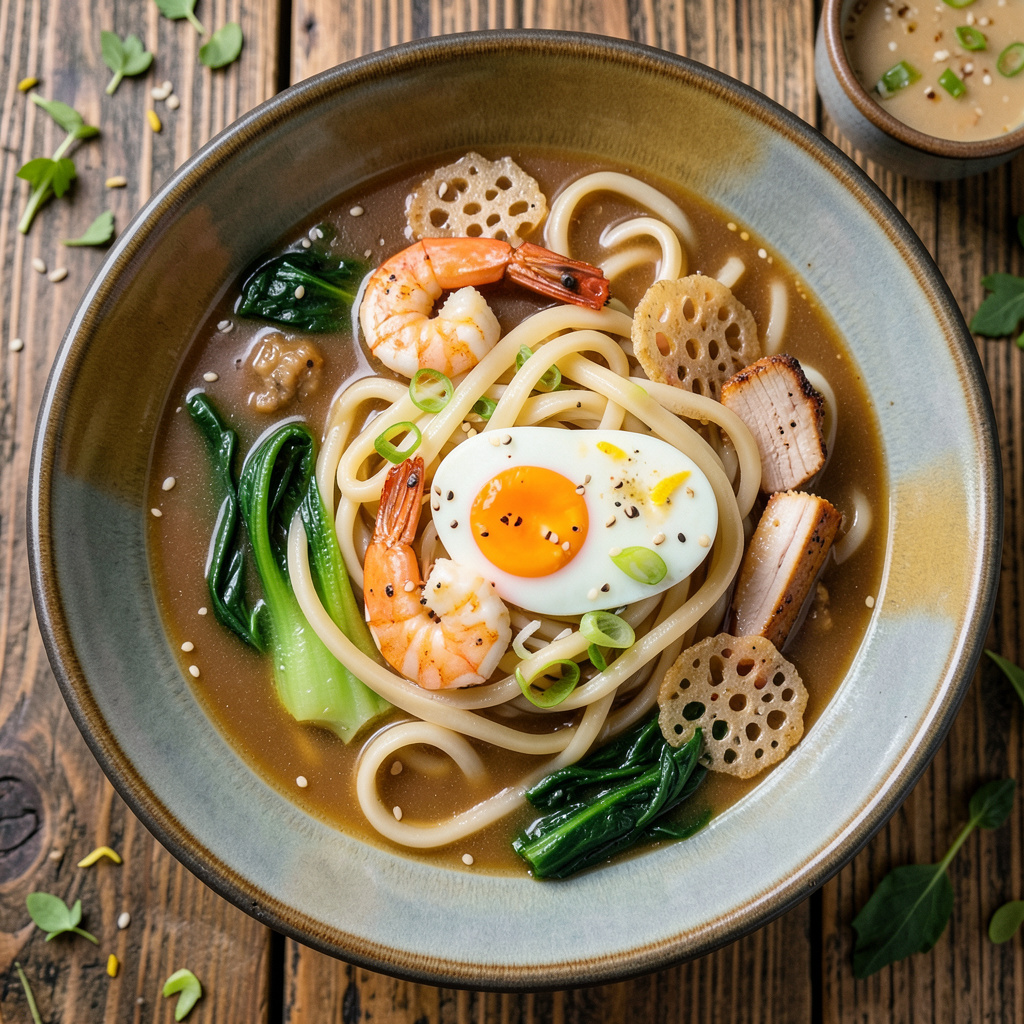
Nothing ruins a perfect bowl of soup faster than mushy, overcooked noodles that turn your meal into a sad, starchy mess. I’ve been there—spending hours crafting a rich broth only to have the noodles absorb every drop and fall apart. After years of testing (and more than a few disappointments), I finally cracked the code for keeping noodles perfectly al dente in any soup.
The problem isn’t your cooking skills—it’s science. Noodles keep absorbing liquid even after they’re done, which is why they turn soggy in broth. The solution? Treat your noodles like a separate component. Whether you’re making pho, chicken noodle soup, or ramen, the timing and technique matter more than you think. I’ll show you exactly when to add them and how to prep them for maximum texture.
Here’s the game-changer: cook your noodles separately, rinse them with cold water to stop the cooking process, then add them to individual bowls before ladling in the hot broth. This method works with any noodle type—from delicate ramen to hearty udon—and guarantees that every bite stays firm and satisfying. No more sad, bloated noodles floating in your soup.
I’ve used this technique in professional kitchens and at home, and it never fails. The best part? It takes minimal extra effort for restaurant-quality results. Whether you’re meal prepping or serving immediately, you’ll finally have control over your noodle texture. Let’s fix this soup problem once and for all.
📚 In This Guide
- What You’ll Need
- Instructions
- Tips and Common Mistakes
What Youll Need
- ● Fresh or dried noodles – 8 oz (225g) per 4 servings of soup (choose egg, rice, udon, or ramen based on preference) ❗
- ● Large pot – 5-6 quarts for boiling noodles (stainless steel or enamel recommended)
- ● Slotted spoon or spider strainer – for lifting noodles without breaking them 🍜
- ● Timer or smartphone – to track cooking time precisely ⏱️
- ○ Colander – for draining (optional if using a strainer)
- ● Ice water bath – large bowl + ice cubes + cold water (for shocking noodles if pre-cooking) ❄️
- ● Soup broth – 4-6 cups per serving (homemade or store-bought, heated separately)
- ○ Neutral oil – 1 tsp (optional, for tossing noodles to prevent sticking)
- ● Air-tight containers – for storing pre-cooked noodles (BPA-free glass or plastic preferred)
- ○ Kitchen tongs – for portioning noodles into bowls (optional but handy!) 🥢
Step-by-Step Instructions for Perfect Noodles in Soup
This is the foolproof method I use to guarantee noodles that stay perfectly al dente in every bowl.
Choose the Right Noodle for Your Soup
Not all noodles are created equal when it comes to soup. I always reach for egg noodles, rice noodles, or fresh pasta—these hold up better than delicate dried pasta. For hearty broths, go for thicker noodles like udon or wide egg noodles that can stand up to long simmering.
The key is matching the noodle’s cooking time to your soup’s simmering time. If you’re making a quick broth, use noodles that cook in 3-5 minutes. For long-simmered soups, add uncooked noodles during the last 10-15 minutes of cooking. This timing ensures they absorb just enough liquid without turning mushy.
Cook Noodles Separately for Maximum Control
Here’s the game-changer: cook your noodles separately from the soup. Bring a pot of salted water to a rolling boil and cook the noodles until they’re 1 minute shy of package directions for al dente. They’ll finish cooking when you add them to the hot broth, preventing that dreaded soggy texture.
Drain the noodles immediately and rinse them under cold water to stop the cooking process. This also washes away excess starch that can make your soup cloudy. Toss the drained noodles with a tiny bit of oil to prevent sticking—just enough to coat them lightly. Now they’re ready to be added to individual bowls when serving.
Assemble Bowls Just Before Serving
This is where the magic happens: never store noodles in the soup. Instead, place a portion of cooked noodles in each bowl, then ladle the piping hot broth and other ingredients over them. The heat from the broth will gently finish cooking the noodles to perfect tenderness right in the bowl.
For meal prep, store noodles and broth separately in the fridge. When ready to eat, reheat the broth until steaming, then pour it over the cold noodles. They’ll warm through in about 1 minute while maintaining that ideal texture. This method works beautifully for leftovers too—just keep components separate until serving time.
Adjust Your Broth for Noodle Perfection
If you must cook noodles directly in the soup (like for one-pot meals), adjust your broth ratio. Use 1 extra cup of liquid per 4 servings to account for noodle absorption. Bring the broth to a rolling boil before adding noodles, then reduce to a gentle simmer.
Stir occasionally during cooking to prevent sticking, but avoid over-stirring which can break delicate noodles. Test for doneness by fishing out a noodle and biting into it—it should have a slight resistance at the center. Remember that noodles continue to absorb liquid as the soup sits, so it’s better to slightly undercook them initially.
Revive Leftovers Like a Pro
Even with the best techniques, leftover soupy noodles can soften. To revive them, strain out the noodles and give them a quick 30-second dip in boiling water. Drain immediately and return to the reheated broth. This refreshes their texture beautifully.
For frozen soup with noodles, thaw completely before reheating. Add a splash of water or broth when warming to compensate for liquid absorbed during freezing. If the noodles are still too soft for your liking, cook a fresh batch separately and add them to the reheated soup—this takes less time than you think and makes a world of difference in texture!
Tips and Common Mistakes for Perfect Noodle Texture in Soup
These game-changing insights will transform your soup noodles from mushy to magnificent every single time.
The 1-Minute Rule: When cooking noodles separately in Step 2, stopping exactly 1 minute before package directions is non-negotiable! This undercooking creates the perfect al dente texture that finishes beautifully in the hot broth. I use a timer for precision—those 60 seconds make all the difference between perfect and pasty noodles.
Noodle Selection Secret: For quick broths in Step 1, I always choose thin rice noodles or angel hair—they cook in that ideal 3-5 minute window and absorb just enough flavor without falling apart. For hearty stews, thick udon or pappardelle can handle the 10-15 minute simmer time while maintaining their structure. The wrong noodle thickness can ruin your texture!
Broth Ratio Hack: When cooking noodles directly in soup as mentioned in Step 4, that extra cup of liquid per 4 servings is your insurance policy against a thick, starchy mess. I measure precisely—too little liquid and your noodles will drink up all the broth, leaving you with a gluey disaster instead of a perfect bowl.
Revival Technique: The 30-second boiling water dip in Step 5 isn’t just helpful—it’s revolutionary! I keep a small pot of water boiling while reheating soup, then quickly dunk the noodles. This restores their texture better than any microwave trick, making leftovers taste freshly made every time.
Pro Tips for Keep Noodles From Getting Soggy In Soup
- These game-changing insights will transform your soup noodles from mushy to magnificent every single time.
- The 1-Minute Rule: When cooking noodles separately in Step 2, stopping exactly 1 minute before package directions is …
- Noodle Selection Secret: For quick broths in Step 1, I always choose thin rice noodles or angel hair—they cook in tha…
Frequently Asked Questions
Can I add noodles directly to soup without them getting soggy?
While it’s tempting to cook noodles directly in broth, they’ll absorb liquid and turn mushy over time. For best results, cook noodles separately (al dente!) and add them to bowls just before serving. If you prefer one-pot meals, undercook the noodles by 1-2 minutes—they’ll finish in the hot broth without over-softening.
How long can I store soup with noodles before they get soggy?
Noodles in soup typically stay firm for 1-2 days in the fridge, but texture degrades fast. For meal prep, store noodles and broth separately—combine only when reheating. Freezing? Skip it! Noodles turn mushy when thawed. Instead, freeze broth alone and cook fresh noodles later.
What’s the best noodle type for soup that won’t get soggy?
Opt for denser, low-moisture noodles like:
- Egg noodles (hold up well)
- Rice noodles (rehydrate quickly)
- Al dente wheat pasta (e.g., penne or fettuccine)
- Fresh ramen or udon (thicker = slower softening)
Why do my noodles turn soggy even when I cook them separately?
Three common culprits:
- Overcooking: Boil noodles 1 minute less than package instructions.
- Hot broth: Let soup cool slightly before adding noodles to slow absorption.
- Acidic broth: Tomato or vinegar-based soups break down noodles faster—add them last!
Can I fix soggy noodles after they’re in the soup?
Unfortunately, no magic fix exists once noodles are mushy. Workarounds:
- Scoop out noodles, rinse with cold water, and pan-fry for a crispy texture.
- Blend the soup into a creamy bisque (hide the texture!).
- Use as a base for a casserole—bake to evaporate excess moisture.
With these simple tricks—like undercooking noodles, adding them last, or storing them separately—you can say goodbye to mushy soup forever! 🎉 A little extra care makes all the difference in keeping that perfect al dente bite. Now that you’re armed with the know-how, why not test it out? Whip up your favorite soup recipe and put these tips to the test—your taste buds will thank you! 🍜✨