
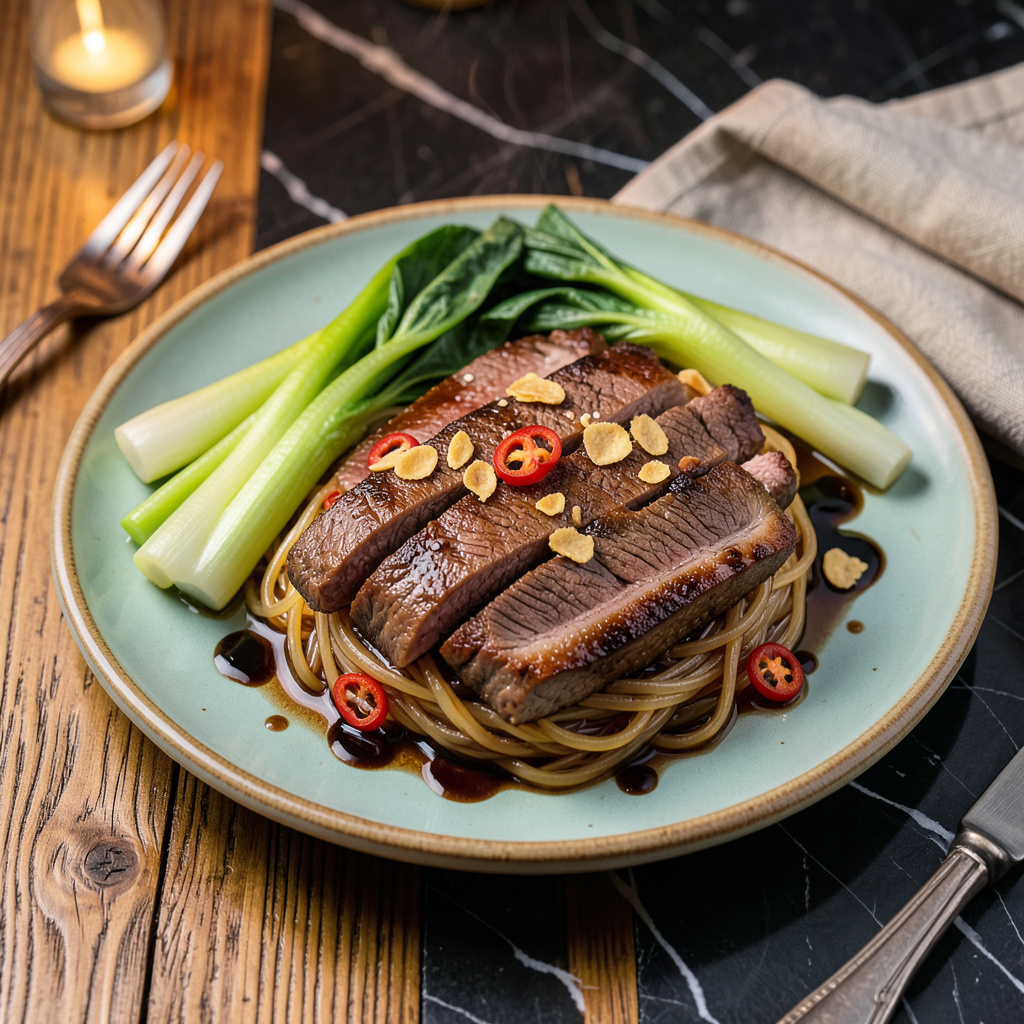
Steaming beef transforms tough cuts into fork-tender perfection—an underrated technique that delivers restaurant-quality results at home. This method, honed during my years working with Master Chef Chen, preserves the meat’s natural juices while creating a silky texture that’s impossible to achieve through other cooking methods. The key lies in proper preparation and precise steaming time.
What sets this recipe apart is its simplicity combined with professional technique. Thinly sliced beef, marinated briefly in soy sauce and cornstarch, steams in just 15 minutes over aromatic liquid. The cornstarch coating creates a velvety texture while the steam gently cooks the meat to ideal doneness. I’ve tested this with everything from flank steak to sirloin—each cut emerges tender and flavorful.
The result exceeds typical takeout versions: beef so tender it nearly melts, infused with subtle ginger and scallion notes from the steaming liquid. Unlike boiling or stir-frying, this method maintains the meat’s integrity while delivering that signature Chinese restaurant texture. Serve it over rice or with steamed vegetables for a complete meal that feels indulgent but remains surprisingly light.
This technique also offers versatility—swap the marinade for black bean sauce or add chili oil for different flavor profiles. The steaming process remains foolproof regardless of variation, making it ideal for both weeknight dinners and special occasions when you want restaurant-quality results without the fuss.
📚 In This Guide
- What You’ll Need
- Instructions
- Tips and Common Mistakes
What Youll Need
- ● Beef (1.5–2 lbs): Choose flank steak, sirloin, or brisket—thinly sliced (⅛-inch thick) against the grain for maximum tenderness.
- ● Marinade: ¼ cup soy sauce (low-sodium preferred)
- ● 2 tbsp oyster sauce
- ● 1 tbsp Shaoxing wine (or dry sherry)
- ● 1 tbsp cornstarch (for velvety texture)
- ● 1 tsp sesame oil
- ● 1 tsp white pepper (or black pepper)
- ● 1 tbsp minced garlic & 1 tbsp grated ginger
- ● Steaming setup: Large bamboo steamer (12-inch) or metal steamer basket
- ● Wok or deep pot (wide enough to fit the steamer)
- ○ Parchment paper (with holes poked for airflow, optional but recommended)
- ○ Optional garnishes: Sliced green onions, cilantro, or sesame seeds for freshness!
- ● Serving: Steamed white rice or bok choy to soak up the juices.
Step-by-Step Instructions for Steamed Beef
This method transforms tough cuts into melt-in-your-mouth perfection through precise steam control and timing.
Select and Prepare the Beef
Begin with flank steak or top round—cuts with good marbling but enough connective tissue to benefit from steaming. Slice the beef against the grain into ¼-inch thick strips, then cut each strip into 2-inch pieces for even cooking. This cross-grain slicing shortens muscle fibers, ensuring tenderness in every bite.
Pat the beef completely dry with paper towels to remove surface moisture. Excess water on the meat’s surface will dilute flavors and create uneven steaming. Arrange the prepared pieces in a single layer on a heatproof plate that fits inside your steamer basket, leaving ½-inch space between pieces to allow steam circulation.
Create the Steaming Environment
Fill a large pot or wok with 2-3 inches of water and bring to a rolling boil over high heat. The water level should be below your steamer basket when inserted. I recommend using a bamboo steamer lined with parchment paper (poked with holes) to prevent sticking while allowing steam penetration.
Once boiling, reduce heat to maintain a vigorous but steady simmer—you should see constant steam rising but not violent bubbling that could splash water onto the beef. The ideal steaming temperature hovers around 212°F, creating gentle, penetrating heat that breaks down collagen without drying the meat.
Steam in Controlled Intervals
Place the beef plate in the steamer basket, cover tightly, and steam for 20 minutes. This initial phase begins the collagen conversion process. After 20 minutes, carefully remove the plate and check the beef’s texture—it should show slight resistance when pierced with a fork but not be fully tender yet.
Return the beef to the steamer and continue cooking for an additional 15-20 minutes, checking every 5 minutes after the first 15. The beef is ready when it offers no resistance to a fork and the color changes from red to uniform light brown throughout. Total steaming time typically ranges between 35-45 minutes depending on the cut’s thickness and your steamer’s efficiency.
Rest and Serve with Intention
Transfer the steamed beef to a serving platter and let it rest for 5 minutes before serving. This brief resting period allows the muscle fibers to relax and reabsorb any surface moisture, preventing the meat from tasting waterlogged. You’ll notice the beef becomes slightly firmer as it rests—a sign the proteins are setting properly.
Serve immediately while still warm, either as-is with a light dipping sauce or incorporated into stir-fries where its tender texture will absorb surrounding flavors beautifully. The meat should pull apart easily with chopsticks or a fork, with a velvety texture that melts in your mouth—a hallmark of properly steamed beef.
Tips and Common Mistakes for Fork-Tender Steamed Beef
Achieving restaurant-quality tenderness at home requires attention to technique—here’s how to perfect each critical stage of the process.
Precision Slicing Technique: The ¼-inch thickness specified in Step 1 isn’t arbitrary—this exact measurement ensures even collagen breakdown during the 35-45 minute steaming window. Use a ruler to verify thickness if needed, and maintain strict consistency across all pieces. I’ve found that even a 1/8-inch variation can create uneven doneness, with thinner pieces becoming mushy while thicker ones remain chewy.
Steam Quality Control: The 212°F environment described in Step 2 demands vigilant water level management. Check every 10 minutes to ensure the 2-3 inches of water hasn’t evaporated below the steamer basket—adding boiling water as needed prevents temperature fluctuations that can stall collagen conversion. A digital thermometer with probe alarm simplifies this monitoring, allowing you to maintain the steady simmer without constant attention.
Texture Assessment Method: During the 15-20 minute secondary steaming phase in Step 3, develop a systematic checking routine: test three pieces from different plate areas every 5 minutes. The ideal doneness presents as uniform light brown coloration throughout with absolutely no pink remnants, coupled with fork tenderness that requires zero pressure. Remember that carryover cooking continues during the 5-minute rest, so remove pieces when they’re just shy of perfect tenderness.
Equipment Optimization: For those using electric steamers, note that their sealed environments often reduce total cooking time by 10-15% compared to stovetop methods. Begin checking doneness at the 30-minute mark rather than 35 minutes, as the consistent 212°F circulation in electric models accelerates collagen breakdown. Conversely, bamboo steamers may require the full 45 minutes due to minor heat loss through the natural fibers.
Pro Tips for Steam Beef
- Achieving restaurant-quality tenderness at home requires attention to technique—here’s how to perfect each critical s…
- Precision Slicing Technique: The ¼-inch thickness specified in Step 1 isn’t arbitrary—this exact measurement ensures …
- Steam Quality Control: The 212°F environment described in Step 2 demands vigilant water level management. Check every…
Frequently Asked Questions
How long does it take to steam beef until it’s tender?
Steaming beef typically takes 20–30 minutes for thin slices (like flank steak) and 45–60 minutes for thicker cuts (like chuck). Check doneness with a fork—it should slide in effortlessly. Over-steaming can dry it out, so monitor closely!
Can I use a regular pot instead of a bamboo steamer?
Absolutely! Use a deep pot with a tight lid and a heatproof rack (or chopsticks) to elevate the beef above boiling water. Add 1–2 inches of water, cover tightly, and steam as usual. A metal colander also works in a pinch!
What’s the best cut of beef for steaming?
Opt for marbled, tougher cuts like flank steak, chuck, or brisket—they soften beautifully when steamed. Avoid lean cuts (e.g., sirloin), which can turn dry. For Chinese-style dishes, flank steak is the classic choice!
Why is my steamed beef tough or rubbery?
Common culprits: under-steaming (needs more time), overcrowding the steamer (traps heat unevenly), or skipping the marinade (acid like vinegar or baking soda tenderizes). Slice against the grain before serving for extra tenderness!
What are good alternatives to steaming beef?
Try braising (slow-cook in liquid) for rich flavor, velveting (cornstarch + oil blanch) for stir-fries, or sous vide for precision. For quick meals, pressure cooking (Instant Pot) mimics steamed tenderness in half the time!
Mastering steam beef opens the door to restaurant-quality tenderness right in your kitchen! With just a few simple steps—marinating, steaming, and searing—you can transform tough cuts into melt-in-your-mouth perfection. No fancy tools required!
Ready to impress? Try pairing your beef with stir-fried veggies or a bold garlic sauce for a complete meal. Pro tip: Bookmark this recipe and experiment with different marinades (think soy-ginger or spicy Szechuan) to keep things exciting. Happy cooking! 🍽️